


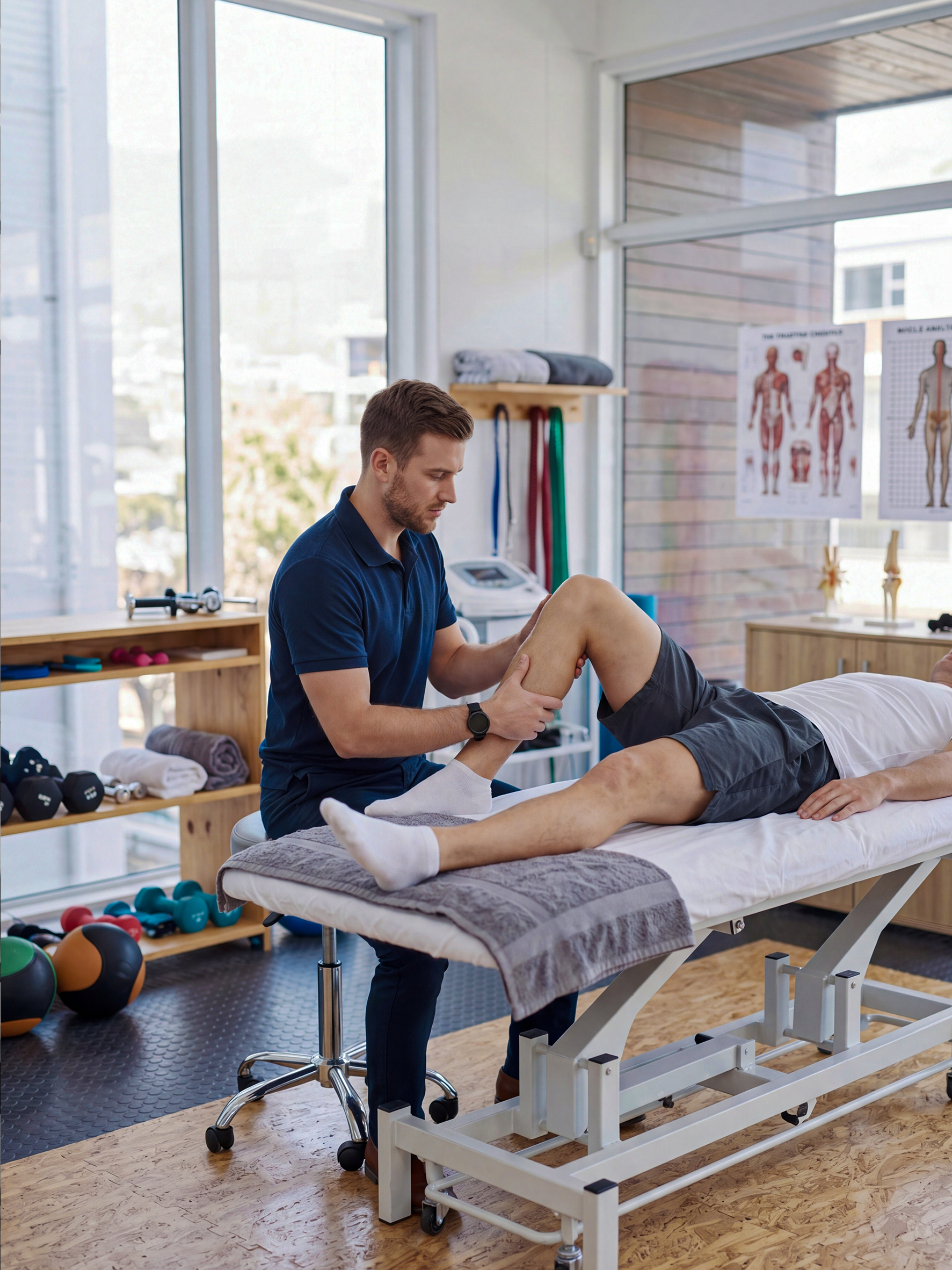


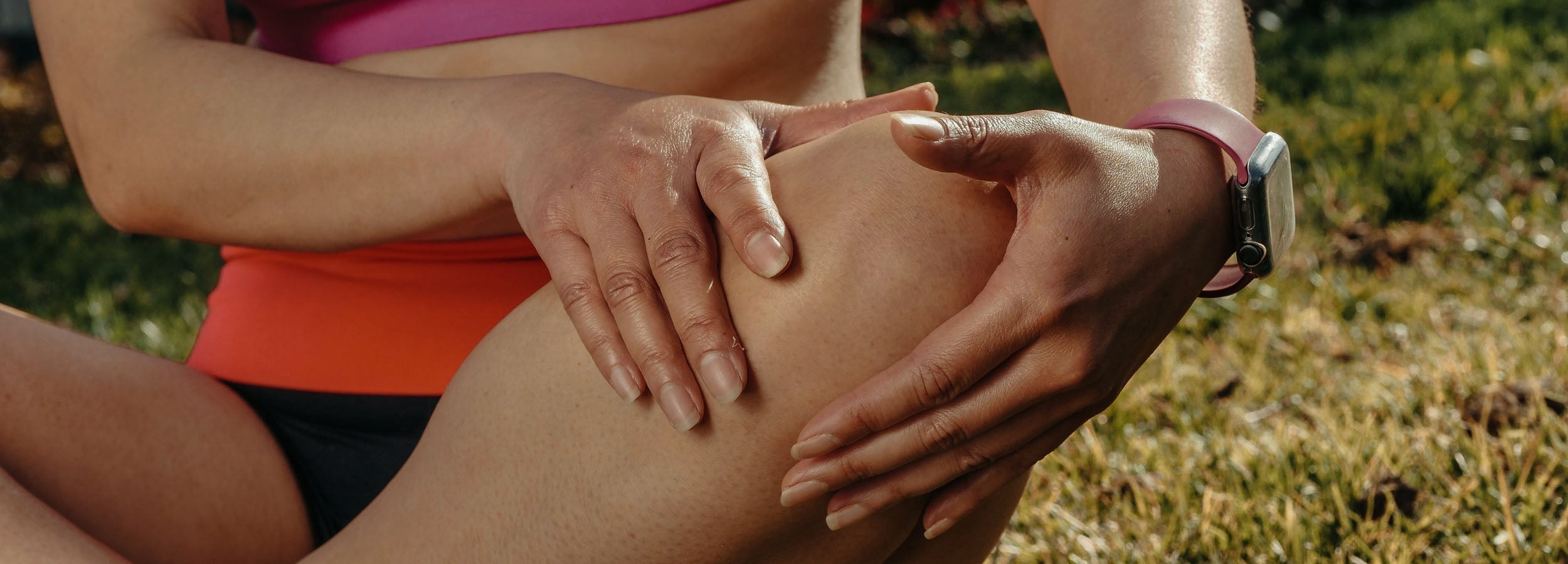
How to Keep Your Knees Healthy
Your knees support almost every step, squat, climb, and change of direction you make. Whether you are walking around the house, working on your feet, playing sports, hiking, or keeping up with family, healthy knees make daily movement easier and more comfortable.
Keeping your knees healthy is not about one single habit. It is about building a simple routine that supports strength, mobility, balance, recovery, and joint protection over time. The right exercises, smart movement habits, supportive footwear, and properly fitted knee support can all play a role in helping you move with more confidence.
This article is for general educational purposes only and is not a substitute for professional medical advice, diagnosis, or treatment. If you have ongoing knee pain, swelling, instability, locking, or difficulty bearing weight, consult a qualified healthcare professional.
Why Knee Health Matters
The knee is one of the most important weight-bearing joints in the body. It helps connect the thigh bone, shin bone, kneecap, ligaments, cartilage, tendons, and surrounding muscles into one coordinated movement system. Because the knee is involved in walking, standing, climbing stairs, kneeling, jumping, and turning, it experiences repeated stress throughout the day.
Healthy knees depend on more than the joint itself. Strong hips, thighs, calves, and core muscles help control movement and reduce unnecessary stress on the knees. Flexible muscles and good balance also help the body move more efficiently.
That means knee health is not only about avoiding discomfort. It is also about protecting mobility, maintaining independence, staying active, and reducing avoidable strain during everyday movement.
Understand the Basics of a Healthy Knee
A healthy knee relies on several structures working together:
- Cartilage helps create a smooth surface for joint movement.
- Meniscus tissue helps absorb shock between the thigh bone and shin bone.
- Ligaments help stabilize the knee during forward, backward, and side-to-side movement.
- Muscles around the hips, thighs, and calves help control force and alignment.
- Tendons connect muscles to bones and help transfer movement.
When one part of this system becomes weak, tight, overloaded, or injured, the knee may experience more stress than it should. That is why a complete knee health routine should include strength, mobility, recovery, and smart activity habits.
Stay Active with Low-Impact Movement
Regular movement is one of the best ways to support knee health. However, the type of activity matters. High-impact movements can be challenging for some people, especially if the knees already feel sensitive. Low-impact exercise can help you stay active while reducing repeated impact on the joints.
Good low-impact activities may include:
- Walking on even surfaces
- Cycling or stationary biking
- Swimming or water exercise
- Elliptical training
- Yoga or Pilates
- Tai chi
- Light hiking on stable trails
The goal is not to avoid movement. The goal is to choose activities that help you build endurance and mobility without overloading the knees. If an activity causes sharp pain, swelling, or instability, stop and seek professional guidance.
Build Strength Around the Knee
Strong muscles help support the knee and improve movement control. Many people focus only on the front thigh muscles, but healthy knees benefit from a balanced strengthening routine that includes the hips, glutes, hamstrings, quadriceps, calves, and core.
Helpful strength areas include:
- Quadriceps: support knee extension and help control walking, climbing, and standing.
- Hamstrings: help stabilize the back of the thigh and support knee control.
- Glutes and hips: help control knee alignment during squats, stairs, and side-to-side movement.
- Calves: support walking, balance, and lower-leg control.
- Core muscles: help improve posture and whole-body stability.
Examples of knee-friendly strengthening exercises may include wall sits, glute bridges, step-ups, straight-leg raises, calf raises, and controlled bodyweight squats. The right choice depends on your current fitness level and comfort. If you are recovering from an injury, work with a physical therapist or healthcare professional before starting a new routine.
Improve Flexibility and Mobility
Tight muscles can change how your knees move. When the hips, thighs, calves, or ankles are stiff, the knees may absorb more stress during walking, squatting, or climbing stairs.
Gentle stretching and mobility work can help support smoother movement. Common areas to focus on include:
- Quadriceps
- Hamstrings
- Hip flexors
- Glutes
- Calves
- Ankles
Stretching should feel controlled and comfortable, not painful. A good approach is to use gentle mobility before activity and slower stretching after activity. If a stretch causes sharp discomfort or joint pain, stop and adjust your routine.
Use Proper Form During Daily Movement
Knee health is affected by how you move every day, not just how you exercise. Small habits repeated thousands of times can either support your knees or add unnecessary strain.
Use these movement tips during daily activities:
- Keep your knees aligned with your toes when squatting or climbing stairs.
- Avoid letting the knees collapse inward during movement.
- Use your hips and legs when lifting, rather than bending only from the back or knees.
- Take breaks if you stand, kneel, or walk for long periods.
- Use handrails when stairs feel difficult or unstable.
- Avoid sudden increases in workout intensity or activity volume.
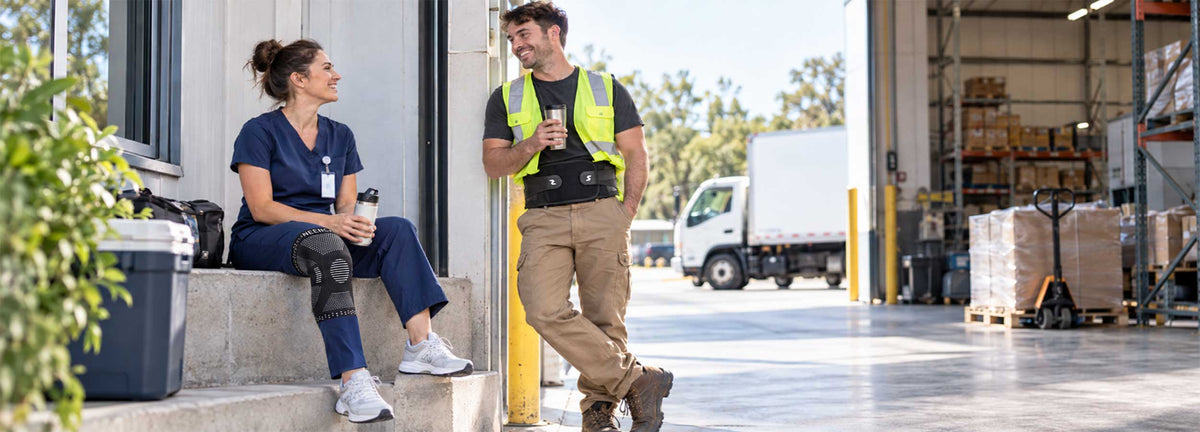
Good movement mechanics are especially important for sports and work activities that involve lifting, kneeling, pivoting, climbing, or repetitive motion.
Maintain a Healthy Body Weight
The knees carry a large amount of force during walking, climbing, and standing. Maintaining a manageable body weight can help reduce avoidable pressure on the knee joints during daily activities.
This does not mean you need extreme dieting or aggressive exercise. Sustainable habits matter more. Balanced nutrition, regular movement, strength training, quality sleep, and consistent routines can all support long-term joint health.
If weight management is part of your health plan, it is best approached gradually and with professional guidance when needed.
Choose Supportive Footwear
Your feet influence how your knees move. Shoes that lack support, cushioning, or stability can affect alignment during walking, running, work, and exercise.
For everyday knee comfort, look for shoes that provide:
- Good arch support
- Comfortable cushioning
- A stable heel
- Enough room in the toe box
- Traction for the surfaces you walk on
- Activity-specific support for sports or work
If your shoes are worn out unevenly or no longer feel supportive, replacing them may help improve overall lower-body comfort. People with foot, ankle, or gait concerns may benefit from professional fitting or medical advice.
Protect Your Knees During Sports and Work
Sports, fitness, and physically demanding jobs can place extra stress on the knees. This is especially true for activities involving jumping, kneeling, cutting, pivoting, lifting, climbing, or long periods of standing.
To support your knees during higher-demand activities:
- Warm up before exercise or sports.
- Build intensity gradually.
- Use proper technique when lifting or squatting.
- Wear appropriate footwear and protective gear.
- Take recovery days when needed.
- Use knee support when extra stability or compression is helpful.
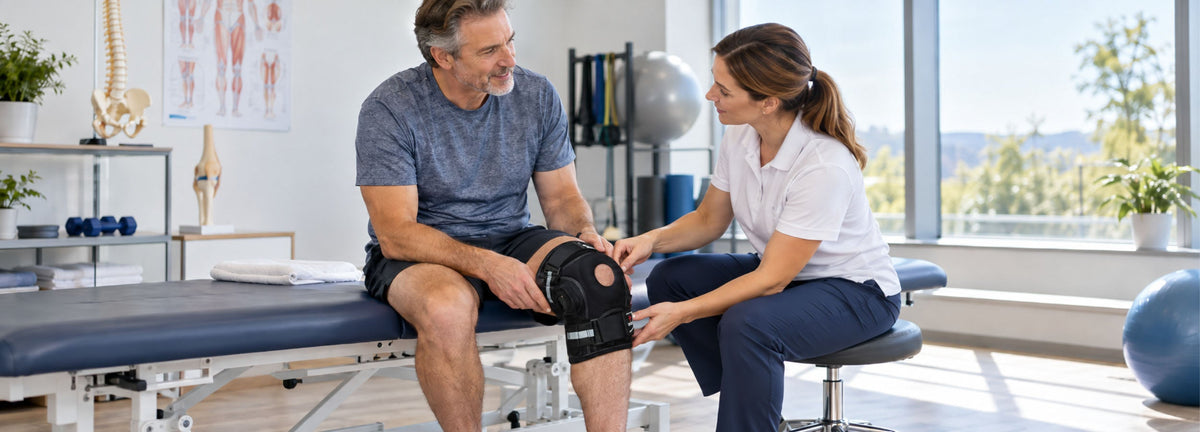
A well-fitted knee brace or sleeve can provide additional support during movement. NEENCA offers professional knee braces and sleeves designed for compression, comfort, and everyday movement support. For stronger structural support, explore the NEENCA hinged knee brace collection.
Do Not Ignore Pain, Swelling, or Instability
Occasional soreness after activity can happen, especially after a new workout or a long day on your feet. However, some signs should not be ignored.
Seek medical advice if you experience:
- Sudden or severe knee pain
- Significant swelling
- Difficulty bearing weight
- A feeling that the knee may give way
- Locking or catching in the joint
- Pain after a fall, twist, or direct impact
- Symptoms that do not improve with rest
A knee brace may provide support, but it should not be used to hide a serious injury. Getting the right evaluation early can help you choose the safest next step.
Use Knee Support the Right Way
Knee braces and sleeves can be useful tools, but they work best when chosen and worn correctly. The right brace should match your activity, support needs, and body size.
General tips for using knee support include:
- Measure carefully before choosing a size.
- Choose compression sleeves for lightweight support and everyday movement.
- Choose stabilizer or hinged braces when more structure is needed.
- Make sure the brace feels secure but not restrictive.
- Remove or adjust the brace if you feel numbness, tingling, or increased swelling.
- Use knee support as part of a broader routine that includes strength, mobility, and recovery.
If you are unsure which size to choose, use the official NEENCA Find Your Size guide. You can also learn more about NEENCA’s compression, patella support, breathable comfort, and side stability features on the Our Technology page.
Support Recovery After Activity
Recovery is an important part of knee health. Your knees need time to adapt after exercise, sports, long workdays, and physically demanding activity.
Simple recovery habits include:
- Taking rest days when needed
- Using gentle stretching after activity
- Applying appropriate recovery methods recommended by professionals
- Getting enough sleep
- Staying hydrated
- Avoiding repeated high-impact activity without adequate recovery
If you are increasing your activity level, do so gradually. A sudden jump in mileage, workout intensity, or training frequency can increase stress on the knees.
Simple Daily Habits for Healthier Knees
You do not need a complicated plan to take better care of your knees. Start with small habits that are easy to maintain.
- Walk regularly at a comfortable pace.
- Strengthen your hips, thighs, calves, and core.
- Stretch tight muscles consistently.
- Wear supportive shoes.
- Use proper form when lifting, squatting, or climbing stairs.
- Avoid sudden increases in training volume.
- Take breaks during long periods of standing or kneeling.
- Use knee support when extra comfort or stability is helpful.
- Get professional care for persistent pain or swelling.
Final Thoughts
Keeping your knees healthy is a long-term habit. The best approach combines regular movement, strength training, flexibility, proper footwear, smart activity choices, recovery, and appropriate support when needed.
A knee brace or sleeve can be a helpful part of your routine, especially during activities that place extra stress on the knees. However, it should work together with proper movement habits, strengthening, and professional care when necessary.
For additional everyday knee support, explore the NEENCA Knee Braces & Sleeves collection. If you want a supportive knee brace with compression, patella support, side stabilizers, and breathable comfort, the NEENCA ACE-51 Professional Knee Brace may be a strong option for daily movement and activity support.
Frequently Asked Questions
What is the best way to keep your knees healthy?
The best way to support knee health is to combine regular low-impact movement, strength training, flexibility work, supportive footwear, proper movement form, healthy recovery habits, and professional care when needed.
What exercises are good for knee health?
Low-impact activities such as walking, cycling, swimming, yoga, Pilates, and elliptical training can support knee health. Strength exercises for the hips, thighs, glutes, calves, and core may also help improve knee stability.
How can I strengthen my knees?
You can support your knees by strengthening the muscles around them, especially the quadriceps, hamstrings, glutes, hips, calves, and core. Exercises should be controlled and appropriate for your current fitness level.
Are knee braces good for keeping knees healthy?
Knee braces and sleeves can provide additional support during activity, especially when you need compression, stability, or confidence during movement. They should be used as part of a broader routine that includes strength, mobility, and proper recovery.
Should I wear a knee brace every day?
Some people wear a knee brace during daily activities that place extra stress on the knee, such as walking, work, sports, or exercise. All-day use is not always necessary. The brace should fit comfortably and should not cause numbness, tingling, or skin irritation.
What foods support joint health?
A balanced diet that includes protein, fruits, vegetables, whole grains, healthy fats, and adequate hydration can support overall health. If you have a medical condition or specific nutrition needs, consult a healthcare professional.
When should I see a doctor for knee problems?
You should seek medical advice if you have severe pain, swelling, instability, locking, difficulty bearing weight, or symptoms that do not improve with rest. A healthcare professional can help identify the cause and recommend appropriate care.
How do I choose the right knee brace size?
Measure according to the brand’s size guide and choose a brace that feels secure without restricting circulation. For NEENCA products, use the Find Your Size page before purchasing.

Ecrit par Wilson John


Laisser un commentaire
Ce site est protégé par hCaptcha, et la Politique de confidentialité et les Conditions de service de hCaptcha s’appliquent.