


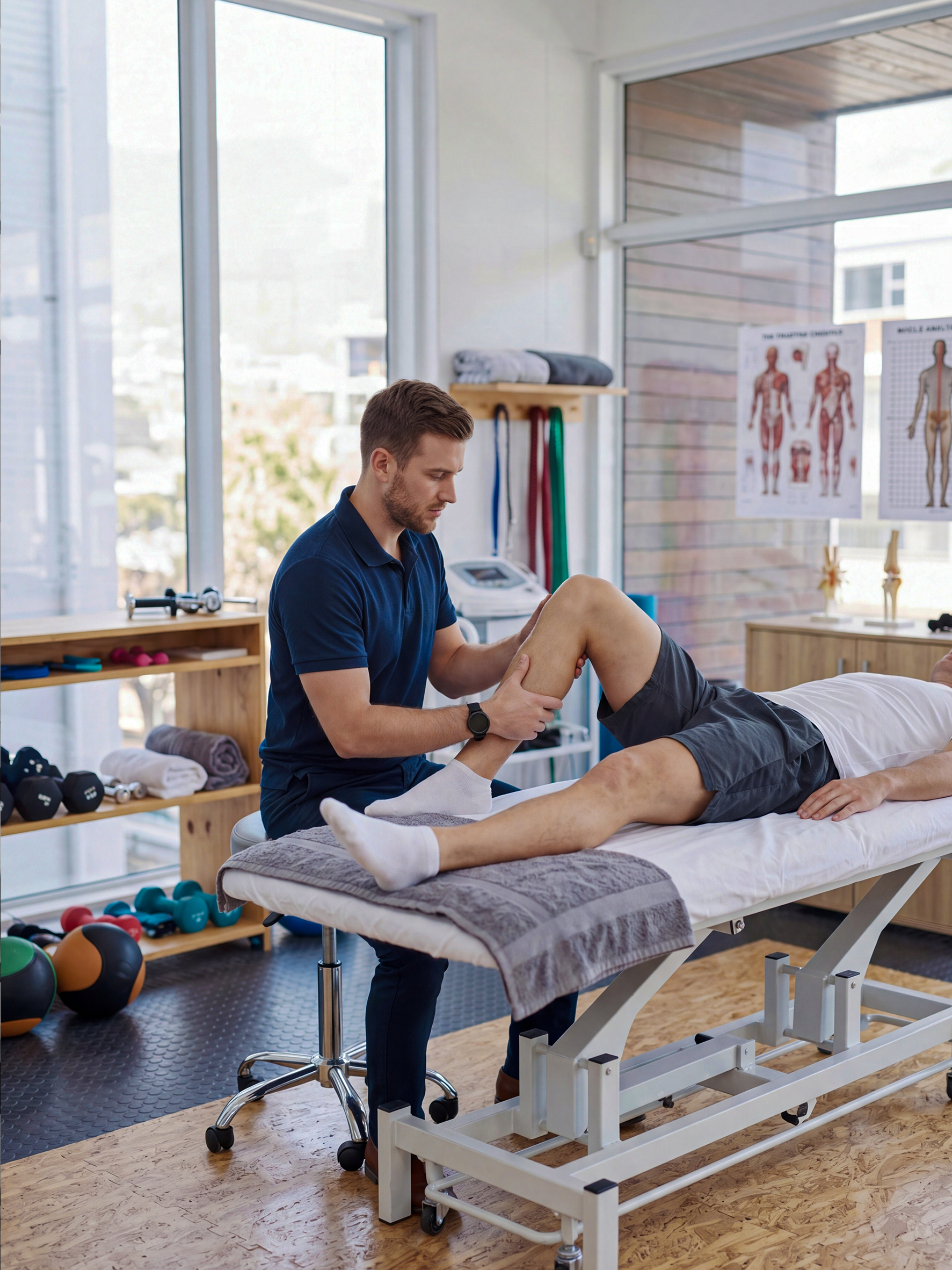


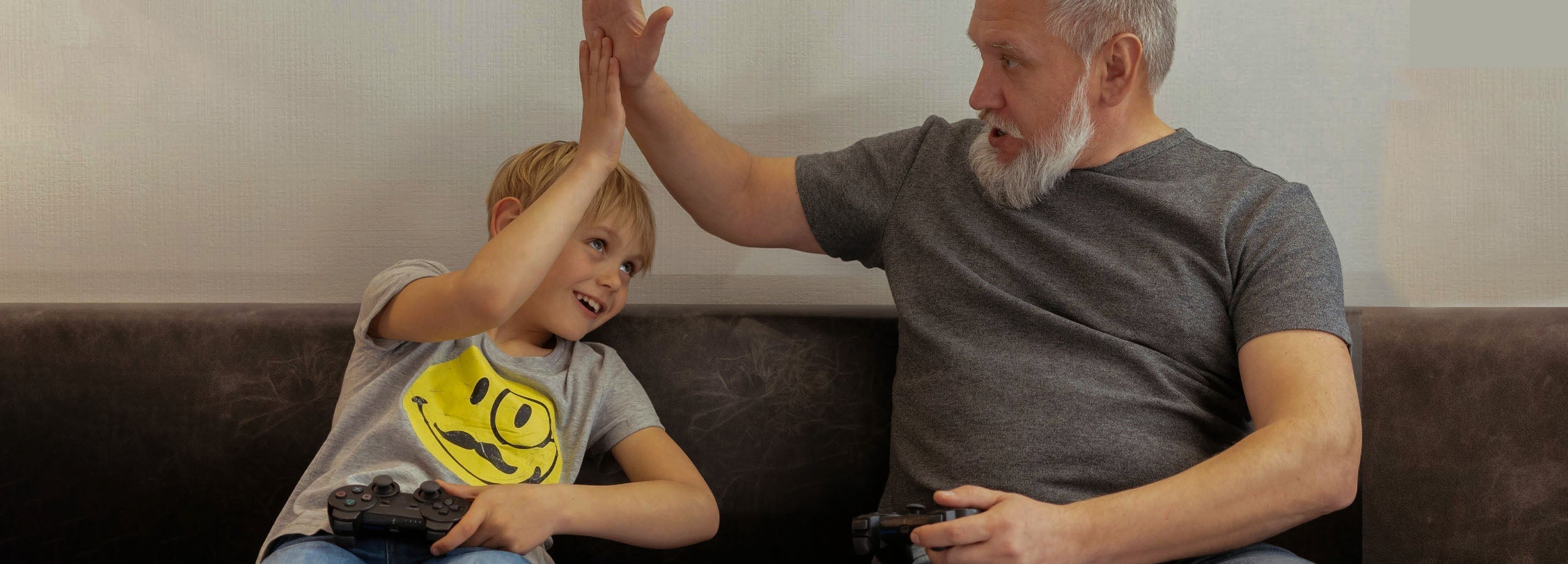
How to Keep Up with Your Kids and Grandkids with More Comfort
Spending time with kids and grandkids often means more movement than expected: walking through parks, lifting children into car seats, carrying bags, kneeling on the floor, climbing stairs, pushing strollers, playing catch, visiting zoos, or spending a full day at a theme park.
These are the moments many parents and grandparents value most. They are also the moments that can remind you how much your knees, back, wrists, ankles, hips, and feet do every day.
Joint stiffness, muscle fatigue, back discomfort, wrist strain, or ankle instability can make it harder to keep up with a child’s energy. But staying engaged does not require pushing through discomfort or giving up the activities you love. With the right habits, safer movement strategies, supportive gear, and recovery routines, you can stay active with more comfort and confidence.
This guide explains how parents and grandparents can support their joints while walking, playing, lifting, traveling, doing family activities, and making memories with the people they love.
This article is for general educational purposes only and is not a substitute for professional medical advice, diagnosis, or treatment. If you have persistent pain, swelling, numbness, weakness, instability, balance problems, falls, or difficulty walking or lifting, consult a qualified healthcare professional.
Why Family Activities Can Be Harder on Joints Than They Look
Keeping up with children often involves quick transitions: sitting on the floor, standing up, lifting, carrying, bending, turning, squatting, kneeling, walking on uneven surfaces, or reacting quickly when a child runs ahead.
Even when the activity feels fun, it may place repeated stress on the body. Common family scenarios that can challenge the joints include:
- Chasing kids at the park
- Walking long distances at zoos, theme parks, malls, or museums
- Lifting a child into a car seat
- Carrying a diaper bag, stroller, or groceries
- Kneeling or sitting on the floor during playtime
- Pushing a stroller uphill or across uneven ground
- Standing for long periods at games, school events, or family outings
- Gardening, cooking, or cleaning with kids nearby
- Holding, rocking, or carrying younger children
The goal is not to avoid these moments. The goal is to prepare your body, protect your joints, and use support when it helps.
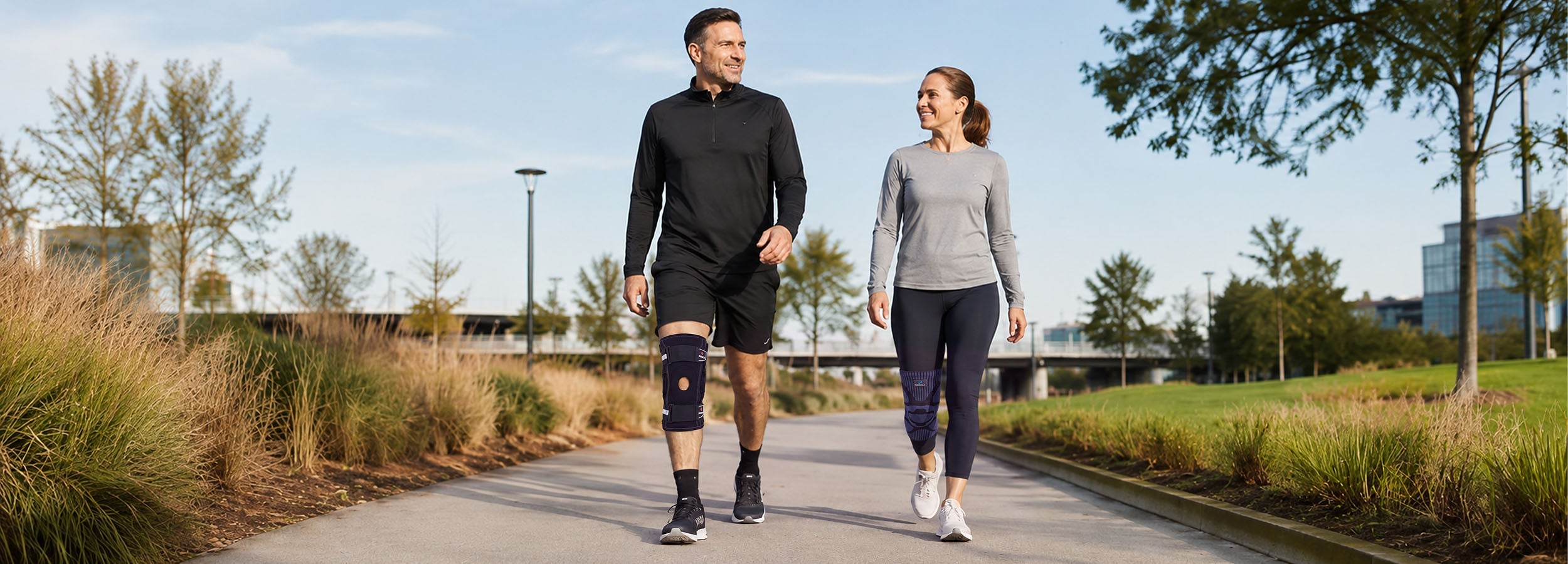
1. Support Your Knees for Playtime, Walks, and Family Outings
The knees are central to many family activities. Walking, stairs, squatting, kneeling, getting up from the floor, pushing a stroller, and standing through long outings all rely on knee comfort and stability.
As people age, knee stiffness or discomfort may become more noticeable after long walks, active weekends, or repeated bending. A previous injury, arthritis, muscle weakness, or sudden increases in activity may also make the knees feel less reliable.
Practical Knee Support Tips
- Warm up with a few minutes of easy walking before long outings.
- Strengthen the muscles around the knees, including the quadriceps, hamstrings, glutes, calves, and hips.
- Use supportive footwear with enough cushioning and stability.
- Take breaks before the knees feel exhausted.
- Use handrails on stairs when needed.
- Avoid suddenly increasing walking distance without building up gradually.
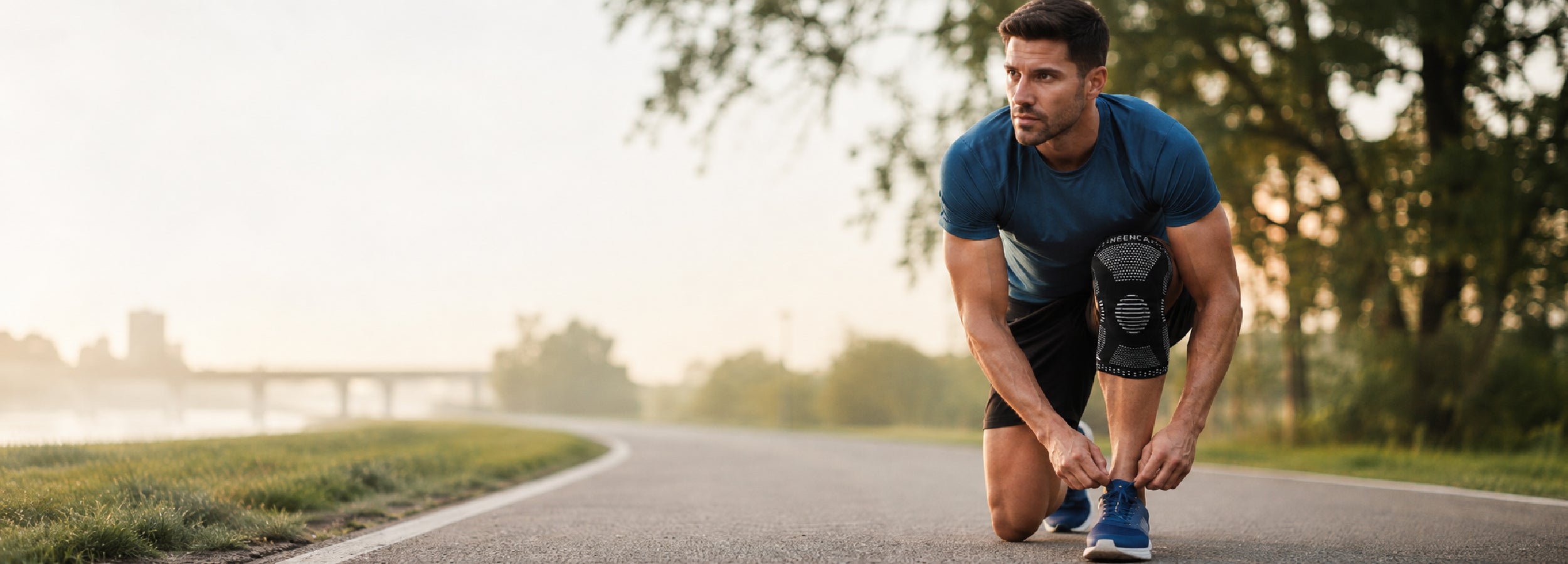
- Use knee support when extra compression or stability is helpful.
A properly fitted knee brace or sleeve may provide compression, warmth, patella-area support, and a more secure feeling during activity. It does not cure arthritis or replace strength training, but it may help you feel more supported during walks, errands, playtime, or travel.
Explore NEENCA Professional Knee Braces & Sleeves. The NEENCA ACE-51 Professional Knee Brace combines compression, patella support, side stabilizers, and breathable materials for everyday knee support.
2. Protect Your Back While Lifting, Carrying, and Playing
Parents and grandparents often lift more than they realize. A child into a car seat. A stroller into the trunk. Grocery bags. A backpack. A child who wants to be carried “just for a minute.” These everyday movements can place stress on the lower back, especially when done quickly or from awkward angles.
Back support begins with better body mechanics.
Safer Lifting Habits
- Move close to the child or object before lifting.
- Bend at the hips and knees instead of rounding the lower back.
- Keep the child or object close to your body.
- Avoid twisting while lifting or carrying.
- Turn with your feet instead of rotating through the spine.
- Use both hands when possible.
- Ask older children to climb onto a stable surface before being lifted when safe.
- Use strollers, carts, or carriers to reduce repeated carrying.
Daily Back Support Tips
- Strengthen the core, glutes, hips, and back muscles gradually.
- Take breaks during long standing or long sitting.
- Use supportive seating during travel or long events.
- Keep bags lighter and distribute weight evenly.
- Use long-handled tools for household tasks when possible.
A back support belt may provide a more supported feeling during standing, lifting, household tasks, or active family days. It should not encourage unsafe lifting or replace strength, posture, and movement habits.
Explore NEENCA Back & Waist Support. The NEENCA HY006 Lower Back Brace features lumbar support and pulley compression for everyday comfort, lifting, standing, work, and daily activities.
3. Keep Your Wrists and Hands Ready for Everyday Family Life
Your hands and wrists help with almost everything: fastening car seat buckles, tying shoes, cooking meals, opening snacks, carrying bags, pushing strollers, using phones, playing catch, gardening, driving, crafting, or helping with school projects.
Repetitive gripping, lifting, typing, texting, and tool use can make the wrists and hands feel tired or stiff.
Wrist and Hand Support Tips
- Keep wrists in a neutral position when typing, driving, or pushing a stroller.
- Use both hands to carry heavier items.
- Avoid gripping handles more tightly than needed.
- Use larger handles or ergonomic tools when possible.
- Take short breaks during repetitive hand tasks.
- Gently open and close the hands to reduce stiffness.
- Use wrist or thumb support when extra stability is useful.
The NEENCA HW003 Wrist and Thumb Support Brace is designed with thumb support, removable splints, adjustable compression, and breathable materials for everyday wrist and thumb stability. You can also explore the full NEENCA Wrist & Hand Support collection.
4. Strengthen Your Ankles and Feet for Balance and Confidence
Kids rarely move in straight lines. Parks, playgrounds, trails, grass, stairs, gravel, and theme parks all challenge the ankles and feet. Strong, stable ankles help with balance, walking, quick direction changes, and confidence on uneven ground.
Ankle and Foot Support Tips
- Wear supportive, well-fitting shoes.
- Avoid loose slippers or worn-out sneakers during active outings.
- Practice balance exercises near a stable surface.
- Strengthen calves and feet gradually.
- Use handrails on stairs when needed.
- Be cautious on wet grass, gravel, uneven sidewalks, or playground surfaces.
- Consider ankle support when extra stability is helpful.
Simple balance exercises such as heel raises, side steps, and standing near a counter while shifting weight can help improve confidence. If you have a history of falls or feel unsteady, ask a healthcare professional for personalized guidance.
Explore NEENCA Ankle Braces & Joint Support and NEENCA Foot Products for ankle and lower-leg support options.
5. Choose Low-Impact Activities That Still Feel Fun
Keeping up with kids does not always mean sprinting, jumping, or doing high-impact activities. Low-impact options can still create meaningful memories while being easier on the joints.
Family-Friendly Low-Impact Ideas
- Walking: Visit a park, zoo, museum, or neighborhood trail.
- Swimming: Water activity supports movement with less joint loading.
- Cycling: A bike ride can be fun and lower impact than running.
- Tai chi or gentle yoga: Useful for balance, mobility, and body awareness.
- Gardening: Plant flowers, water plants, or grow vegetables together.
- Playground supervision with movement breaks: Walk, stretch, and sit when needed.
- Dancing at home: A short, fun way to move without needing equipment.
- Nature scavenger walks: A slower-paced activity that keeps everyone engaged.
Mayo Clinic recommends low-impact options such as cycling, water exercise, and other joint-friendly activities for people with arthritis or sensitive joints. CDC also emphasizes that regular physical activity helps older adults maintain independence and function.
6. Manage Discomfort Responsibly
Staying active with family requires a practical approach to comfort. The goal is not to ignore discomfort. The goal is to respond early, adjust activities, and recover well.
Practical Comfort Strategies
- Use heat for stiffness when appropriate.
- Use cold packs for temporary post-activity soreness or swelling when appropriate.
- Stay hydrated during long outings.
- Wear supportive footwear.
- Plan breaks during long days.
- Use compression or braces for specific activities when they fit correctly.
- Adjust activity if symptoms increase.
- Seek professional advice for persistent or worsening symptoms.
Compression support may help some people feel more secure during movement or more comfortable during recovery routines. However, compression products should not feel painfully tight and should not cause numbness, tingling, coldness, or color changes.
7. Stay Safe and Reduce Fall Risk
Safety matters when keeping up with kids and grandkids. Quick movement, toys on the floor, uneven ground, stairs, wet surfaces, and crowded public places can all increase fall risk.
Fall-Prevention Habits for Family Activities
- Wear supportive shoes with good traction.
- Keep walkways clear of toys, cords, and clutter.
- Use handrails on stairs.
- Improve lighting in hallways and bathrooms.
- Be cautious on playground surfaces, wet grass, gravel, and uneven sidewalks.
- Practice balance exercises safely.
- Use assistive devices if recommended by a healthcare professional.
- Ask for help when carrying children or heavy bags on stairs.
CDC’s STEADI initiative encourages older adults and healthcare providers to address fall risk through screening, medication review, vision checks, balance support, and home safety improvements.
8. Invest in the Right Supportive Gear
Supportive gear can make active family time more comfortable when chosen correctly. The key is matching the product to the activity and body area.
| Family Activity | Common Joint Stress | Support to Consider |
|---|---|---|
| Walking at parks, zoos, or theme parks | Knees, ankles, feet, lower back | Knee support, compression socks, supportive shoes |
| Lifting children or bags | Lower back, knees, wrists | Back support, safer lifting mechanics |
| Playing on the floor | Knees, hips, back, wrists | Knee support, cushions, gradual position changes |
| Gardening or outdoor play | Knees, back, wrists, ankles | Knee support, wrist support, back support, ankle support |
| Driving and travel | Back, hips, knees, wrists | Lumbar support, movement breaks, compression socks |
| Cooking and household activities | Wrists, hands, back, knees | Wrist support, ergonomic tools, movement breaks |
Before choosing a brace or compression product, use the NEENCA Find Your Size guide to measure correctly.
9. Make Movement a Daily Habit
Consistency is one of the best ways to maintain mobility. You do not need a perfect workout routine to stay active with your family. Small daily habits count.
Simple Ways to Move More with Kids and Grandkids
- Take short walks together after dinner.
- Plan active outings like parks, zoos, museums, or nature trails.
- Dance to a favorite song at home.
- Play gentle catch or balloon games indoors.
- Do simple stretches together.
- Garden or water plants as a shared activity.
- Use stairs when safe and comfortable.
- Take movement breaks during screen time.
The most sustainable activity is the one you enjoy enough to repeat. Family movement can be both exercise and connection.
10. Plan Big Family Days Before They Wear You Out
Theme parks, zoos, sports tournaments, travel days, and family events can involve more walking and standing than expected. Planning ahead can reduce unnecessary joint stress.
Before a Long Family Outing
- Wear supportive shoes, not new or untested shoes.
- Bring water and snacks.
- Use compression socks if long standing or travel makes your legs feel heavy.
- Choose a knee brace, back support, or ankle brace if you know the day will be demanding.
- Plan sitting breaks before fatigue becomes intense.
- Use strollers, wagons, or carts to reduce carrying.
- Keep bags lighter and distribute weight evenly.
Support works best when used proactively. Waiting until you are already exhausted often makes recovery harder.
11. Use Support Without Over-Relying on It
Braces and compression supports can help, but they should be part of a broader routine. Long-term comfort also depends on strength, balance, footwear, pacing, sleep, hydration, and activity modification.
Support products can help with:
- Compression and secure fit
- Joint stability during activity
- Warmth and comfort
- Body awareness during movement
- Confidence during walking, standing, or family outings
Support products cannot:
- Cure arthritis
- Repair serious injuries
- Replace physical therapy
- Guarantee pain relief
- Prevent all injuries or falls
- Make unsafe movement safe
If symptoms continue or worsen, professional guidance is the safest next step.
12. Know When to Ask for Professional Help
Parents and grandparents often push through symptoms because they do not want to miss family moments. But getting help early may make it easier to keep doing those activities in the long run.
Ask a healthcare professional about:
- Persistent joint pain
- Swelling that does not improve
- Numbness or tingling
- Balance problems or falls
- Joint instability or giving way
- Difficulty walking, lifting, or climbing stairs
- Pain that affects sleep
- Symptoms after a fall, twist, or injury
A doctor, physical therapist, or occupational therapist can recommend activity modifications, strengthening exercises, assistive devices, and support strategies matched to your needs.
Why Choose NEENCA?
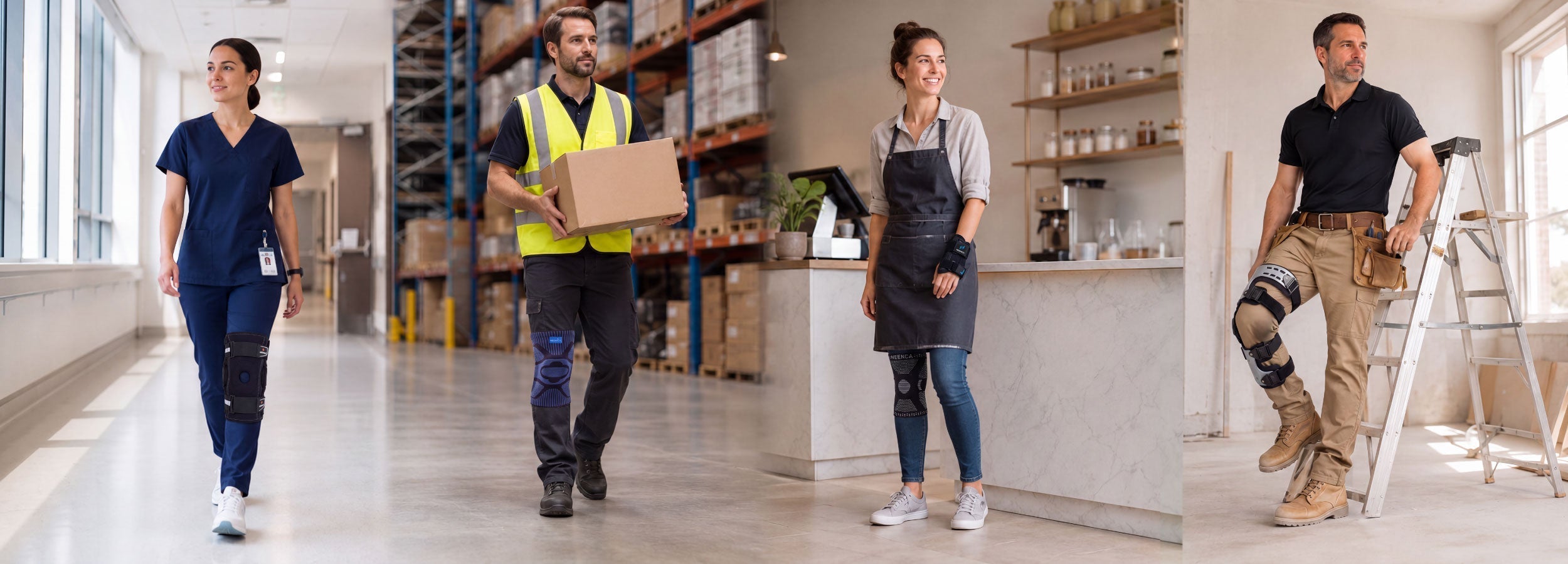
NEENCA designs professional-grade support products for people who want to stay active, comfortable, and confident during everyday movement. The product line includes knee braces, back supports, wrist and hand supports, ankle braces, compression socks, and lower-body support products.
NEENCA support features may include:
- Targeted compression
- Breathable materials
- Patella support in selected knee braces
- Side stabilizers in selected knee braces
- Adjustable straps and removable splints in selected wrist braces
- Lumbar support and pulley compression in selected back braces
- Low-profile designs for daily wear
- Quality-focused construction for repeated use
Learn more about product design on Our Technology and product standards on Our Quality.
Final Thoughts
Keeping up with your kids and grandkids is not about pretending your body has no limits. It is about supporting your body so you can keep showing up for the moments that matter.
Support your knees for walks and playtime. Protect your back when lifting and carrying. Take care of your wrists and hands during daily tasks. Strengthen your ankles and balance for safer movement. Choose low-impact activities, plan recovery, and use supportive gear when it helps.
With the right habits and the right support, you can enjoy more walks, more games, more hugs, more outings, and more memories with the people you love.
Explore NEENCA Best Sellers, Knee Braces & Sleeves, Back & Waist Support, Wrist & Hand Support, Ankle Braces, and Foot Products to find support for everyday family movement.
Frequently Asked Questions
How can I keep up with my kids or grandkids if my joints feel stiff?
Start with low-impact activities, warm up before longer outings, take breaks, use supportive shoes, build strength gradually, and consider properly fitted support products for specific activities. Persistent stiffness or pain should be discussed with a healthcare professional.
What joint support is useful for grandparents?
Common support options include knee braces for walking and stairs, back support for lifting and standing, wrist braces for repetitive hand tasks, ankle support for walking and balance, and compression socks for long standing or travel.
How can I protect my back when lifting a child?
Move close to the child, bend at the hips and knees, keep the child close to your body, avoid twisting, use both hands, and engage your core. Ask the child to climb onto a stable surface when appropriate and safe.
Are knee braces helpful for family outings?
A knee brace may provide compression, warmth, and a more supported feeling during walking, standing, stairs, or long outings. It should fit properly and should not cause numbness, tingling, or discomfort.
What are good low-impact activities to do with grandchildren?
Walking, swimming, cycling, nature walks, gardening, dancing, gentle stretching, museum visits, playground supervision with movement breaks, and simple indoor games can all be joint-friendly options.
How can I reduce fall risk while playing with kids?
Wear supportive shoes, keep walkways clear, use handrails, improve home lighting, avoid rushing on uneven surfaces, practice balance exercises safely, and ask a healthcare professional for help if you feel unsteady.
Can compression socks help during theme parks or travel?
Compression socks may support lower-leg comfort during long standing, walking, or travel. People with circulation problems, diabetes-related foot concerns, significant swelling, or vascular conditions should consult a healthcare professional first.
Should I use heat or cold after active family days?
Heat may help stiffness for some people, while cold packs may help temporary post-activity soreness or swelling. Use safely and ask a healthcare professional if symptoms are persistent, severe, or unusual.
Can braces prevent injuries while playing with kids?
Braces can provide support and comfort, but they cannot guarantee injury prevention. Strength, balance, footwear, safer movement, pacing, and professional guidance when needed are also important.
When should I see a doctor?
Seek professional care if you have persistent pain, swelling, numbness, weakness, balance problems, falls, joint instability, difficulty walking, or symptoms after an injury.
Related NEENCA Resources
- Stay Active and Independent as You Age
- Simple Tips to Keep Your Joints Healthy
- Joint Protection Tips for Arthritis
- Everyday Movements That Put Stress on Your Joints
- Our Technology
- Find Your Size
- FAQs
- Professional Knee Braces & Sleeves
- Back & Waist Support
- Wrist & Hand Support
- Ankle Braces & Joint Support
- Foot & Lower-Leg Support
- NEENCA ACE-51 Professional Knee Brace
- NEENCA HY006 Lower Back Brace
- NEENCA HW003 Wrist and Thumb Support Brace
References
- CDC. Older Adult Activity: An Overview.
- National Institute on Aging. Exercise and Physical Activity.
- National Institute on Aging. Three Types of Exercise Can Improve Your Health and Physical Ability.
- CDC. STEADI: Older Adult Fall Prevention.
- CDC. About Older Adult Fall Prevention.
- Mayo Clinic. Exercise Helps Ease Arthritis Pain and Stiffness.
- Mayo Clinic. Arthritis Pain: Do's and Don'ts.

Ecrit par Wilson John

Laisser un commentaire
Ce site est protégé par hCaptcha, et la Politique de confidentialité et les Conditions de service de hCaptcha s’appliquent.