


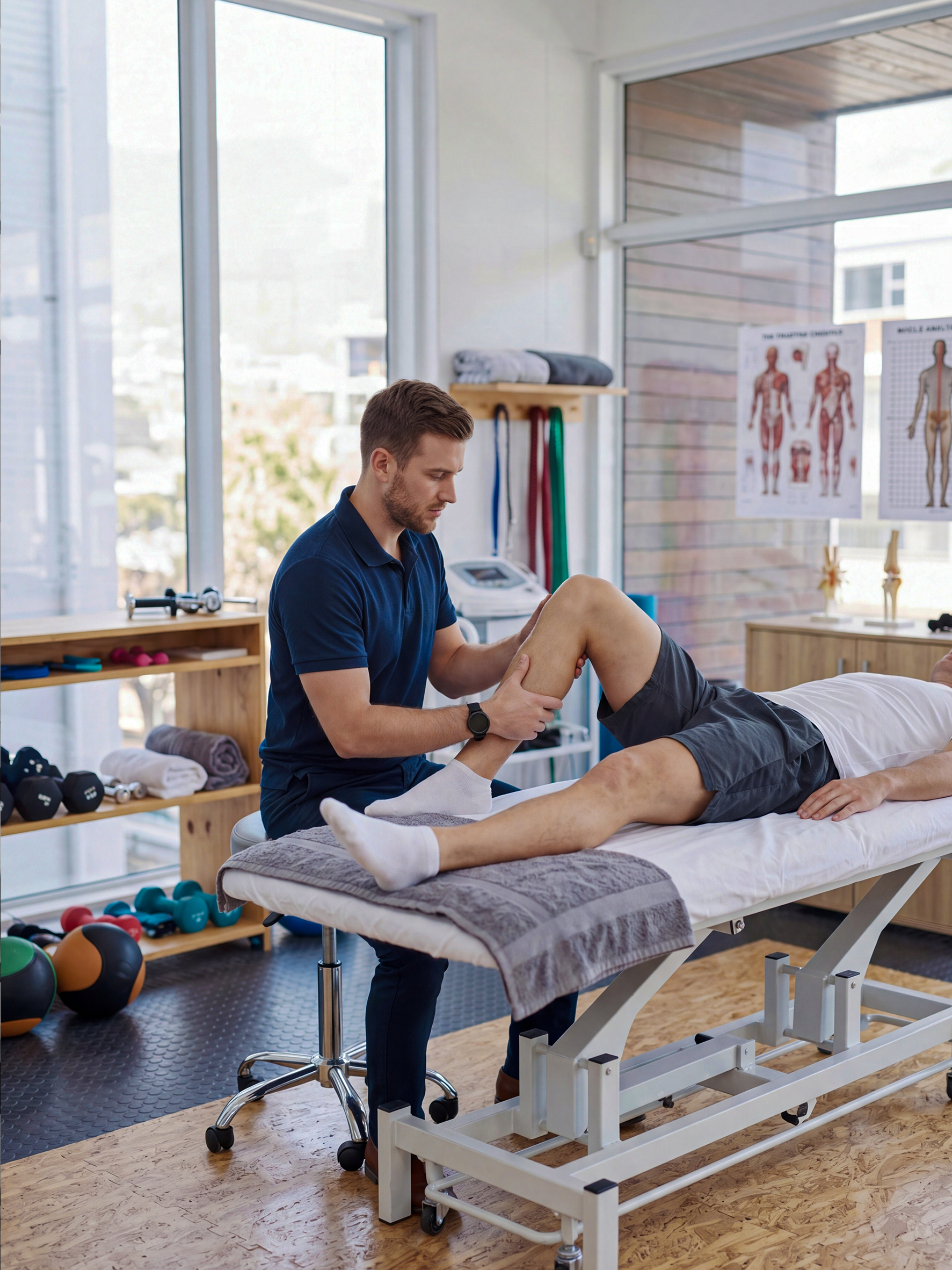



How to Choose the Right Knee Brace for Your Daily Routine
Choosing the right knee brace starts with one question: what do you need your knee support to do during your normal day? A person who needs light support for walking may not need the same brace as someone who stands through a long shift, climbs stairs often, trains at the gym, hikes on uneven trails, or wants a more structured brace for higher stability.
The best knee brace is not simply the tightest, thickest, or most expensive one. It is the brace that matches your activity, support needs, comfort expectations, size, and daily wearing habits.
This guide explains how to choose a knee brace for walking, standing, stairs, work, training, running, and everyday support. You will learn the difference between knee sleeves, stabilized knee braces, and hinged knee braces, what features matter most, how tight a brace should feel, and when to ask a healthcare professional before using one.
This article is for general educational purposes only and is not a substitute for professional medical advice, diagnosis, or treatment. If you have severe pain, sudden swelling, numbness, instability, a recent injury, post-surgery concerns, or difficulty bearing weight, consult a qualified healthcare professional before choosing a brace.
Start With Your Daily Routine, Not the Product Name
Many shoppers begin by searching for “best knee brace,” but that can be confusing because knee braces are designed for different needs. A brace that feels great for walking may not be ideal for gym training. A lightweight sleeve may work well under clothing but may not provide enough structure for someone who wants stronger side support. A hinged brace may feel secure but may be more than what someone needs for simple daily errands.
Before choosing a product, think about your routine:
- Do you mostly need support for walking or errands?
- Do you stand for long periods at work?
- Do stairs make your knee feel less confident?
- Do you need support during gym workouts, running, hiking, or court sports?
- Do you prefer something lightweight under clothing?
- Do you need more side-to-side stability?
- Do you want compression, structure, or both?
- Will you wear it for short activity sessions or longer daily use?
Once you know the scenario, choosing the right knee support becomes much easier.
Understand the Main Types of Knee Braces
Knee support products can be grouped in several practical categories. Different brands may use different names, but most consumer knee braces fall into these general types.
1. Compression Knee Sleeve
A compression knee sleeve is usually the simplest and most flexible type of knee support. It slides over the knee and applies gentle, even compression around the joint.
A compression sleeve may be suitable for:
- Daily walking
- Light exercise
- Low-impact activity
- Gym warm-ups
- Travel or errands
- People who want a lightweight, flexible feel
The main benefit is comfort and mobility. The limitation is that a simple sleeve usually provides less structural support than a brace with stabilizers or hinges.
For flexible compression support, you may explore the NEENCA ACE-50 Knee Compression Sleeve.
2. Stabilized Knee Brace
A stabilized knee brace usually combines compression fabric with additional support features, such as a patella gel pad, side stabilizers, anti-slip design, or adjustable straps.
This type of brace may be suitable for:
- Walking and daily movement
- Standing for long periods
- Stairs
- Work shifts
- Gym training
- Pickleball, hiking, and recreational sports
- Users who want more structure than a simple sleeve
A stabilized brace can be a useful middle ground: more supportive than a basic sleeve, but often less bulky than a hinged brace.
The NEENCA ACE-51 Professional Knee Brace is designed with compression, patella support, side stabilizers, and breathable materials for everyday movement, work, sports, and active routines.
3. Hinged Knee Brace
A hinged knee brace includes side hinges or stronger side structures designed to provide more mechanical support. Hinged braces are often chosen by people who want a higher level of stability than a sleeve or stabilized brace can provide.
A hinged brace may be considered for:
- Higher stability needs
- More demanding activities
- Users who want stronger side support
- Situations where a healthcare professional recommends structured support
- Some return-to-activity scenarios after professional guidance
However, a hinged brace is not automatically the best choice for everyone. Some users may find it bulkier than needed for everyday wear. Others may require professional guidance before choosing a brace for injury history or post-surgery situations.
Explore NEENCA Hinged Knee Braces if you want to compare higher-stability options.
Choose Based on Your Main Activity
Your daily routine is the most practical way to choose the right knee support. Use the following scenarios as a starting point.
If You Need a Knee Brace for Walking
Walking support should usually feel comfortable, breathable, and secure enough for repeated steps. You probably do not want a brace that feels too bulky or restricts normal walking motion.
Look for:
- Comfortable compression
- Breathable fabric
- Secure fit that does not slide down
- Enough flexibility for natural movement
- Optional patella support if you want a more centered feel around the kneecap
For daily walking, many users start with a compression sleeve or a stabilized knee brace. If you want more structure than a sleeve, the NEENCA ACE-51 is a strong option to compare.
If You Stand All Day at Work
Standing for long periods can make the knees, ankles, feet, and lower back feel tired. For workdays, comfort and wearability matter as much as support.
Look for:
- Breathable materials for long wear
- Compression that feels supportive but not restrictive
- Anti-slip design
- Low-profile fit under work pants
- Supportive footwear and possible compression socks
A stabilized brace may be helpful if you want more support during long shifts. For lower-leg comfort, you may also compare NEENCA Foot Products and compression socks.
Related guide: Work Smarter, Not Harder: How to Protect Your Joints on the Job.
If You Need Support for Stairs
Stairs place additional demand on the knees because the joint has to control body weight while bending and straightening. If stairs feel challenging, support, strength, footwear, and pacing all matter.
Look for:
- Patella-area support
- Side stabilizers for a more secure feel
- Anti-slip construction
- Comfortable compression
- Good footwear and handrail use when needed
If your knee frequently gives way, locks, catches, swells, or causes sharp pain on stairs, ask a healthcare professional before relying on a brace.
If You Need a Knee Brace for Gym Training
Gym training requires support that can move with you. Squats, lunges, step-ups, cycling, and resistance training all involve knee bending and muscle control.
Look for:
- Flexible support that allows natural movement
- Breathable materials
- Secure fit during repeated bending
- Compression for a more supported feel
- Stabilizers if you want extra structure during lower-body training
For gym training, a compression sleeve or stabilized knee brace may be enough for many users. A hinged brace may be more appropriate for users who need stronger support, but it may not be necessary for every workout.
If You Need a Knee Brace for Running
Running involves repeated impact and continuous knee motion. A running knee brace should not feel bulky or limit your natural stride.
Look for:
- Lightweight construction
- Breathable compression
- Secure fit that stays in place
- Enough flexibility for natural running movement
- Supportive shoes and gradual training progression
A brace cannot replace proper training load, footwear, strength work, or recovery habits. If running causes persistent or worsening symptoms, reduce training load and seek professional guidance.
If You Need Knee Support for Hiking or Outdoor Activity
Hiking often involves uneven ground, downhill steps, long walking distances, and changing surfaces. This can place extra demand on the knees and ankles.
Look for:
- Side support for a more stable feel
- Breathable materials for long wear
- Anti-slip design
- Comfort during repeated walking
- Supportive footwear and trekking poles when appropriate
For hiking, you may compare knee support with ankle support and compression socks depending on your route and activity level.
Match the Support Level to Your Needs
Support level is one of the most important factors in knee brace selection. More support is not always better. The right level depends on the activity, comfort, fit, and whether you need flexibility or structure.
| Support Level | Common Product Type | Best For | What to Consider |
|---|---|---|---|
| Light Support | Compression sleeve | Walking, errands, light workouts, everyday comfort | Flexible and easy to wear, but less structural support |
| Moderate Support | Stabilized knee brace | Standing, stairs, work, gym, hiking, sports support | Balanced support and mobility for many daily routines |
| Higher Stability | Hinged knee brace | Stronger side support, demanding activities, professional-guided use | More structure, but may feel bulkier for daily wear |
If you are unsure, start with your main activity and comfort needs. If you have a recent injury, post-surgery situation, severe symptoms, or instability, ask a healthcare professional instead of choosing based only on online information.
Key Features to Look For in a Knee Brace
Comfortable Compression
Compression helps create a snug and supportive fit. It may also help users feel more aware of knee position during movement. The compression should feel secure, not painful.
For more detail, read The Science Behind Compression Therapy.
Patella Support
Patella support refers to support around the kneecap area. Some knee braces use a gel pad or shaped design around the patella to help create a more centered, secure feel.
Side Stabilizers
Side stabilizers provide additional structure along the sides of the knee. They are useful for people who want more support than a simple sleeve but still want natural movement.
Breathable Materials
If you plan to wear the brace for work, walking, sports, or longer daily routines, breathable materials are essential. A brace that feels too hot or uncomfortable will not be used consistently.
Anti-Slip Design
A brace that slides down can be frustrating and distracting. Look for a secure fit, proper sizing, and anti-slip design features.
Correct Size
Fit is critical. A brace that is too loose may not provide support. A brace that is too tight may cause discomfort, numbness, tingling, or restricted circulation.
Before buying, use the NEENCA Find Your Size guide and follow the product-specific measurement instructions.
How Tight Should a Knee Brace Feel?
A knee brace should feel snug, secure, and supportive. It should not feel painful or restrictive.
A good fit should:
- Stay in place during normal activity
- Feel supportive around the knee
- Allow appropriate movement for the activity
- Not pinch or cut into the skin
- Not cause numbness, tingling, coldness, or color changes
Remove or adjust the brace if you experience:
- Numbness
- Tingling
- Coldness
- Discoloration
- Increased swelling
- Sharp pain
- Deep pressure marks
If symptoms do not improve after removing the brace, seek professional advice.
How to Choose a NEENCA Knee Brace by Scenario
| Your Routine | Support Need | NEENCA Direction to Compare |
|---|---|---|
| Daily walking and errands | Comfortable compression and flexible support | ACE-50 Knee Compression Sleeve or ACE-51 Professional Knee Brace |
| Standing through long shifts | All-day comfort, secure fit, breathable materials | ACE-51, Knee Braces Collection, compression socks |
| Stairs and daily movement | Patella support and side stability | ACE-51 or selected Hinged Knee Braces |
| Gym and training | Support without limiting movement | ACE-50, ACE-51, or hinged support depending on activity and support needs |
| Hiking and uneven terrain | Secure fit, side support, comfort for long wear | ACE-51, Hinged Knee Brace, plus ankle support when needed |
| Higher stability needs | More structured support | Hinged Knee Brace Collection |
This table is a starting point, not a medical recommendation. Your best choice depends on your body, activity level, fit, comfort, and any professional guidance you have received.
Common Mistakes When Choosing a Knee Brace
Choosing the Tightest Brace Possible
A tighter brace is not always better. Too much compression can cause discomfort or circulation symptoms. The brace should feel secure, not restrictive.
Choosing a Brace Based Only on a Diagnosis Keyword
Many people search by terms such as arthritis, meniscus, ACL, or MCL. These topics can be medically complex. A product page or blog article cannot replace professional evaluation. Choose based on support needs, daily activity, fit, and professional guidance when needed.
Using a Brace to Ignore Symptoms
A brace can support comfort and stability, but it should not be used to push through severe or worsening symptoms. Persistent swelling, instability, locking, sharp pain, numbness, or difficulty bearing weight should be evaluated.
Ignoring Footwear and Strength
Knee support works best as part of a broader routine. Supportive shoes, gradual activity progression, strength training, warm-ups, and recovery habits all matter.
Skipping the Size Guide
Guessing size is one of the most common reasons a brace feels uncomfortable or slips down. Measure carefully before choosing.
When to Ask a Healthcare Professional Before Choosing a Brace
Ask a doctor, physical therapist, athletic trainer, or qualified healthcare professional before choosing a knee brace if you have:
- Severe or persistent knee pain
- Sudden swelling
- Warmth, redness, or tenderness
- Numbness or tingling
- Difficulty bearing weight
- A knee that gives way, locks, or catches
- A recent injury
- Post-surgery concerns
- A history of ligament injury with ongoing instability
- Circulation problems or diabetes-related concerns
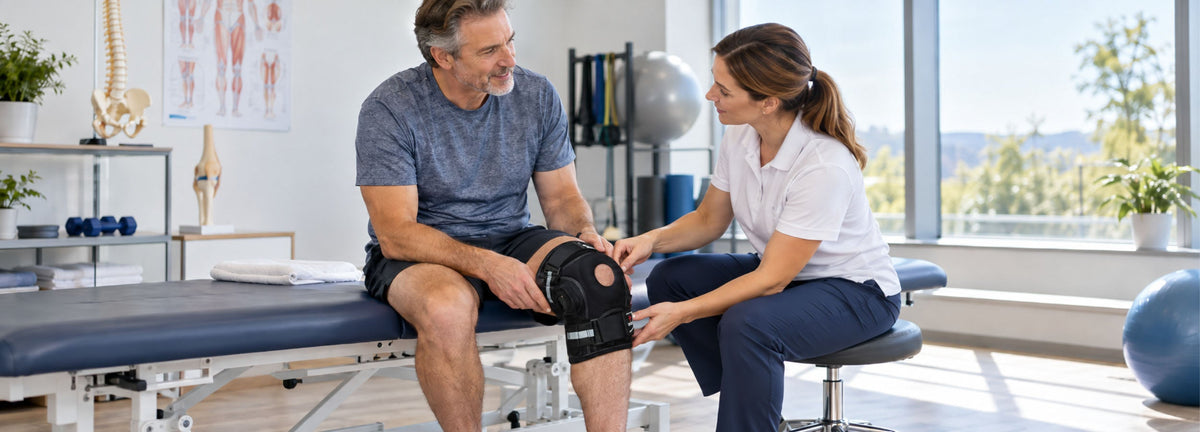
Cleveland Clinic notes that healthcare providers can help people choose the right type of knee brace when needed. This is especially important when symptoms are more than ordinary daily discomfort.
Final Thoughts
The right knee brace should fit your daily routine. Start by identifying what you need: light compression for walking, breathable support for long standing, more structure for stairs or sports, or higher stability for more demanding situations.
Then compare support level, fit, breathability, patella support, side stabilizers, anti-slip design, and product size. A good knee brace should help your knee feel supported during movement without causing discomfort or restricting circulation.
To start comparing options, visit NEENCA Professional Knee Braces & Sleeves, explore Hinged Knee Braces, or use the Find Your Size guide before choosing. For more product design context, read What Makes NEENCA Braces Different?
Frequently Asked Questions
How do I choose the right knee brace?
Start with your main activity. For walking and light daily support, a compression sleeve may be enough. For standing, stairs, gym training, or sports, a stabilized knee brace may offer more support. For higher stability needs, compare hinged knee braces and consider professional guidance.
What type of knee brace is best for daily use?
For daily use, look for breathable materials, comfortable compression, a secure fit, and enough flexibility for natural movement. A compression sleeve or stabilized knee brace is often more practical for everyday routines than a bulky brace.
Should I choose a knee sleeve or a knee brace?
A knee sleeve usually provides flexible compression. A knee brace may include additional support features such as patella support, side stabilizers, straps, or hinges. Choose based on how much support and structure you need.
Is a hinged knee brace better than a compression sleeve?
Not always. A hinged knee brace offers more structure, but it may feel bulkier than a sleeve. A compression sleeve may be better for light support and mobility. The better option depends on your activity, comfort needs, and support level.
Can I wear a knee brace while walking?
Many knee braces and sleeves can be worn while walking if they fit properly and allow natural movement. The brace should feel supportive but should not cause numbness, tingling, or discomfort.
Can I wear a knee brace while working out?
Some knee braces are suitable for workouts, but the right option depends on the exercise. Choose a brace that stays secure, allows appropriate movement, and matches your support needs. Do not use a brace to push through severe or worsening symptoms.
How tight should a knee brace be?
It should feel snug and secure, but not painful or restrictive. Remove or adjust it if you notice numbness, tingling, coldness, discoloration, increased swelling, or sharp pain.
Why does my knee brace slip down?
Common reasons include incorrect size, poor placement, worn elastic, body shape, sweat, or choosing a brace that does not match the activity. Measuring correctly and choosing the right support design can help.
Can a knee brace prevent injury?
A knee brace can provide support and comfort, but it cannot guarantee injury prevention. Proper technique, strength, warm-ups, footwear, recovery, and professional guidance when needed are also important.
When should I see a doctor before wearing a knee brace?
Seek professional advice if you have severe pain, swelling, instability, numbness, a recent injury, post-surgery concerns, or difficulty bearing weight.
References
-
- Cleveland Clinic. Knee Braces, Sleeves & Support: Types & How To Use.
- CDC. About Physical Activity and Arthritis.
- Mayo Clinic Store. Support Braces for Knee, Wrist or Ankle.
- CDC. Self-Care for Arthritis: Five Ways to Manage Your Symptoms.



Laat een reactie achter
Deze site wordt beschermd door hCaptcha en het privacybeleid en de servicevoorwaarden van hCaptcha zijn van toepassing.