





Work Smarter, Not Harder: How to Protect Your Joints on the Job
Physically demanding work can place repeated stress on your knees, back, wrists, ankles, feet, shoulders, and hips. Whether you lift heavy loads, stand for long hours, walk on hard floors, climb stairs, kneel, drive, use tools, type, or repeat the same motion all day, your joints absorb more work than you may realize.
Over time, small stresses can add up. A little stiffness after a shift may become a pattern. A sore wrist from repetitive tasks may start affecting grip strength. A tired lower back may make lifting feel harder. Knees and ankles may feel heavy after long hours of standing or walking.
The solution is not simply to “tough it out.” The smarter approach is to reduce unnecessary joint strain through better lifting mechanics, posture, pacing, supportive footwear, work breaks, strength and mobility habits, and properly fitted braces or compression support when appropriate.
This guide explains how workers in demanding jobs can protect their joints and stay more comfortable through long workdays.
This article is for general educational purposes only and is not a substitute for professional medical advice, diagnosis, or treatment. If you experience severe pain, persistent swelling, numbness, weakness, instability, loss of motion, or symptoms after a workplace injury, consult a qualified healthcare professional and follow your workplace safety procedures.
Why Physically Demanding Jobs Can Stress the Joints
Work-related joint stress usually does not come from one single movement. It often comes from repeated load, awkward posture, long standing, repetitive motion, vibration, forceful gripping, kneeling, lifting, carrying, pushing, pulling, and limited recovery between shifts.
Common workplace stressors include:
- Standing on hard floors for long periods
- Lifting or carrying heavy objects
- Bending, twisting, kneeling, or squatting repeatedly
- Using tools or machinery that require forceful gripping
- Typing, scanning, packing, or assembling items repetitively
- Walking long distances during a shift
- Driving for extended periods
- Working in awkward positions or tight spaces
- Skipping breaks due to workload pressure
Different jobs stress different body areas. A warehouse worker may feel it in the lower back, knees, and wrists. A nurse may feel it in the feet, back, and knees. A retail worker may struggle with lower-leg fatigue after standing all day. A mechanic may experience wrist, hand, shoulder, or back strain from repeated tool use. An office worker may develop wrist, neck, or lower-back discomfort from long hours at a desk.
Common Joint Stress Areas at Work
Knees
The knees often take stress from standing, stairs, squatting, kneeling, lifting, pushing, pulling, climbing, and walking on hard surfaces. Workers in construction, healthcare, retail, warehouse operations, food service, landscaping, and manufacturing may notice knee fatigue after long shifts.
Lower Back
The lower back is commonly stressed by lifting, bending, twisting, sitting in vehicles, poor posture, and repeated load handling. Back discomfort is especially common among movers, delivery drivers, caregivers, warehouse workers, factory workers, and people who lift or transfer objects frequently.
Wrists and Hands
The wrists and hands can be affected by typing, scanning, gripping tools, using machinery, packing, lifting, assembly work, cleaning, and repetitive fine-motor tasks. Workers may notice wrist fatigue, thumb strain, hand stiffness, or forearm tension.
Ankles and Feet
The ankles and feet support the body through standing, walking, climbing, and sudden direction changes. Hard floors, unsupportive shoes, long shifts, and uneven surfaces can contribute to lower-leg fatigue.
Shoulders and Neck
Overhead work, carrying loads, reaching, poor desk setup, or prolonged driving can place stress on the shoulders and neck. These areas are often connected to back, wrist, and posture habits.
1. Use Supportive Braces and Compression Gear When Appropriate
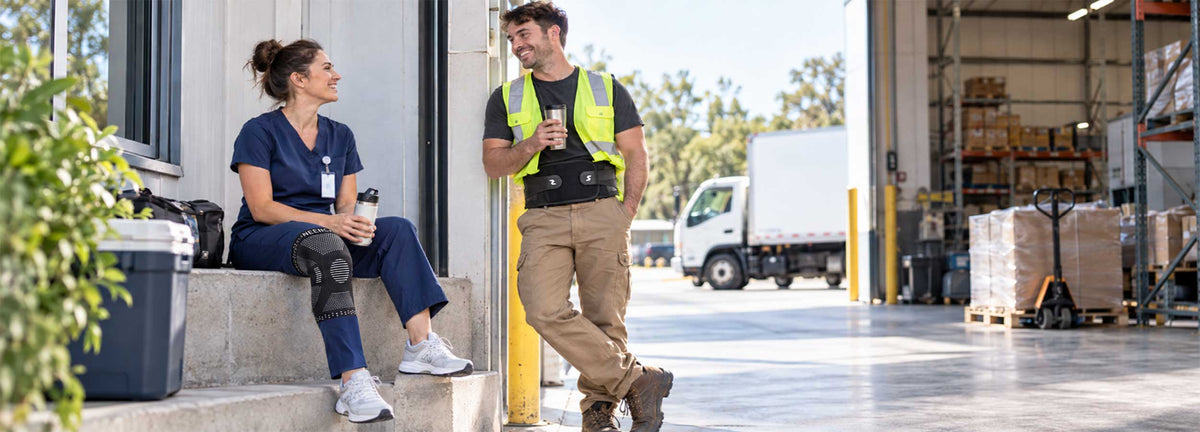
Supportive braces and compression products can be useful for workers who need additional comfort, stability, or support during specific tasks. However, they should be used responsibly. A brace can support better movement habits, but it should not replace proper lifting technique, workplace safety practices, rest, strengthening, or medical evaluation when symptoms are serious.
Knee Braces for Work
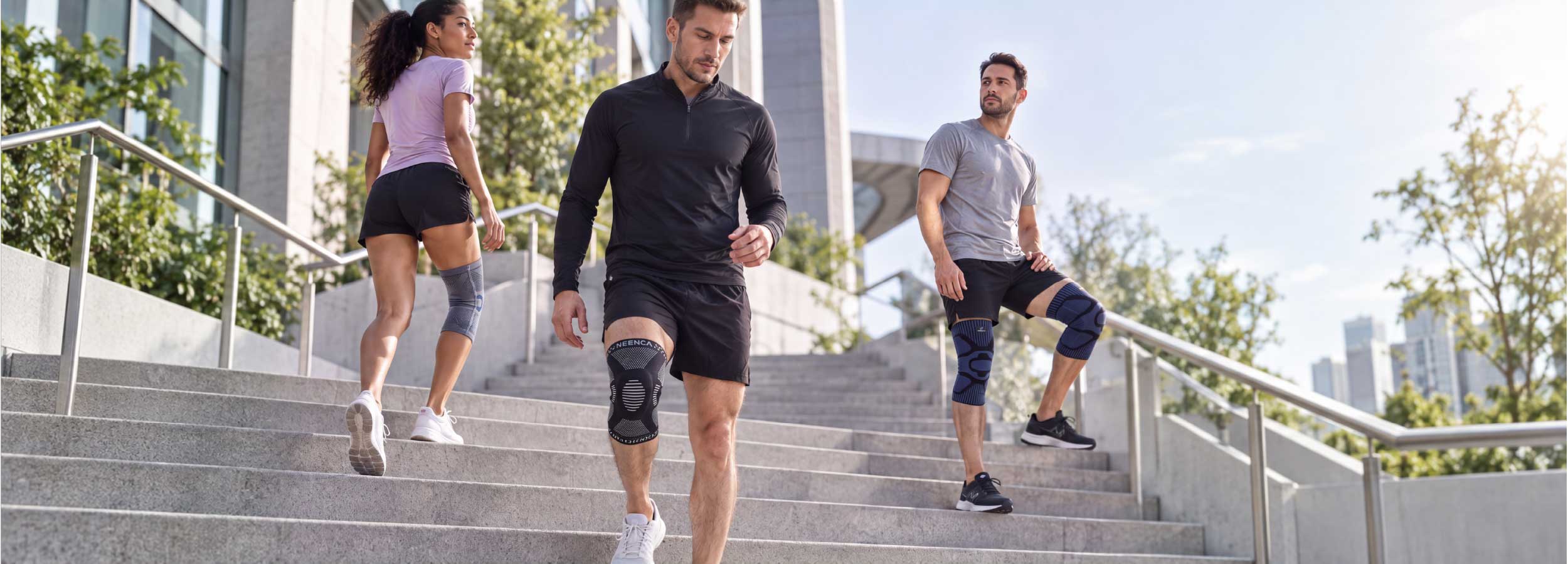
Knee braces and sleeves can provide compression, warmth, patella-area support, and a more secure feeling during long periods of standing, walking, lifting, or kneeling. They may be useful for workers who want added confidence during physically demanding tasks.
Helpful knee support features may include:
- Breathable compression materials
- Patella support
- Flexible side stabilizers
- Non-slip design
- Comfortable fit for longer wear
Explore NEENCA Professional Knee Braces & Sleeves. For everyday work support, the NEENCA ACE-51 Professional Knee Brace combines compression, patella support, side stabilizers, and breathable materials.
Back Support Belts for Lifting and Standing
A back support belt may provide lower-back compression and a more supported feeling during standing, lifting, and work tasks. It should not encourage unsafe lifting or make someone lift beyond their capacity. The best use is as part of a broader approach that includes proper body mechanics, core strength, task planning, and breaks.
A back support may be useful during:
- Warehouse work
- Delivery and moving tasks
- Caregiving and patient-transfer support
- Retail stocking
- Factory or assembly work
- Standing for extended periods
Explore NEENCA Back & Waist Support. The NEENCA HY006 Lower Back Brace features lumbar support and pulley compression for everyday work, lifting, standing, and daily activities.
Wrist Braces for Repetitive Tasks
Wrist braces can help support a more comfortable wrist position during repetitive hand use, tool handling, typing, driving, scanning, packing, or assembly work. Some wrist braces include splints, thumb support, and adjustable compression to improve stability during daily tasks.
Workers who may consider wrist support include:
- Office workers
- Mechanics
- Assembly line workers
- Warehouse packers
- Cashiers and scanners
- Drivers
- Cleaners
- DIY or trade workers
Explore NEENCA Wrist & Hand Support. The NEENCA HW003 Wrist and Thumb Support Brace is designed with thumb support, removable splints, adjustable compression, and breathable comfort for everyday tasks.
Ankle Braces and Compression Socks for Standing All Day
Workers who stand or walk for long hours may benefit from supportive shoes, anti-fatigue mats, ankle support, or compression socks. These products can support lower-leg comfort during long shifts.
Explore NEENCA Ankle Braces & Joint Support and NEENCA Foot Products. Compression socks may be especially useful for workdays involving prolonged standing, walking, or travel.
2. Practice Safer Lifting Techniques
Improper lifting is one of the most common sources of workplace joint and back stress. The goal is to distribute load through the hips and legs, keep the spine supported, and avoid twisting under weight.
Safer lifting habits include:
- Plan the lift before picking up the object.
- Clear the path before carrying anything heavy.
- Stand close to the object.
- Bend at the hips and knees rather than rounding the back.
- Keep the object close to your body.
- Brace your core before lifting.
- Avoid twisting while carrying.
- Turn with your feet instead of rotating through your spine.
- Ask for help with awkward or heavy loads.
- Use carts, dollies, lifts, or handles when available.
If your job involves frequent lifting, do not rely on a back brace alone. Combine support with proper technique, mechanical aids, reasonable load limits, and workplace safety training.
3. Maintain Better Posture During Work
Posture matters for both active and sedentary jobs. Poor posture can increase stress on the lower back, neck, shoulders, knees, wrists, and hips.
For Standing Jobs
- Keep weight balanced between both feet.
- Avoid locking the knees for long periods.
- Shift weight regularly.
- Use a footrest to alternate one foot when standing at a station.
- Keep frequently used items within easy reach.
- Use anti-fatigue mats when appropriate.
For Desk and Computer Work
- Keep the screen near eye level.
- Keep elbows close to the body.
- Keep wrists neutral while typing.
- Support the lower back.
- Place feet flat on the floor or on a footrest.
- Change positions regularly.
For Driving Jobs
- Adjust the seat so knees remain slightly bent.
- Support the lower back.
- Avoid reaching too far for the steering wheel.
- Relax the shoulders.
- Take walking breaks during long routes when possible.
Good posture should feel sustainable, not forced. The best posture is one you can change throughout the day.
4. Take Breaks and Use Micro-Recovery
Many workers wait until symptoms are intense before taking a break. A smarter approach is to use short micro-breaks before fatigue builds too much.
Micro-breaks can be as short as 30 seconds to 2 minutes. They may include:
- Standing up and walking briefly
- Opening and closing the hands
- Rolling the shoulders
- Gently bending and straightening the knees
- Doing ankle circles
- Changing position
- Stretching the calves or hip flexors
- Relaxing the grip after tool use
Short breaks are especially important for workers who repeat the same task all day. The goal is to reduce continuous stress by changing position and movement patterns.
5. Stretch and Move Regularly
Stretching and mobility work can help reduce stiffness from long sitting, standing, lifting, driving, or repetitive tasks. Stretching should be gentle and controlled, not forced.
Useful Workday Mobility Ideas
- Knees: gentle knee bends, quad stretches, hamstring stretches
- Back: standing back extensions, hip flexor stretches, gentle trunk rotations
- Wrists: wrist flexor and extensor stretches, finger opens and closes
- Ankles: ankle circles, calf raises, calf stretches
- Shoulders: shoulder rolls, chest opener stretches, scapular squeezes
Do not stretch into sharp pain. If a movement causes symptoms to worsen, stop and seek guidance if needed.
6. Wear Proper Footwear
Footwear affects more than the feet. Poor shoes can increase stress through the ankles, knees, hips, and lower back, especially on hard surfaces.
For physically demanding jobs, look for shoes that offer:
- Proper fit
- Arch support appropriate for your foot
- Cushioning for hard floors
- Non-slip soles when needed
- Stable heel support
- Room for toes to move
- Compatibility with workplace safety requirements
If you stand all day, consider rotating shoes, replacing worn-out footwear, using anti-fatigue mats, and adding compression socks or ankle support when appropriate.
7. Reduce Repetitive Strain
Repetitive tasks can stress joints even when each individual movement feels small. This is common in typing, scanning, packing, cutting, gripping tools, assembly work, cleaning, and machine operation.
Ways to reduce repetitive strain include:
- Switch hands when possible
- Rotate tasks throughout the day
- Use tools with larger, more comfortable handles
- Avoid excessive gripping force
- Keep wrists neutral
- Use mechanical aids when available
- Take micro-breaks before fatigue builds
- Report workstation problems early
If repetitive wrist or thumb movement is part of your job, consider whether wrist support, ergonomic tools, or workstation changes could reduce strain.
8. Stay Hydrated and Support Recovery
Hydration and nutrition do not replace proper ergonomics, but they do support overall work capacity, muscle function, recovery, and energy. Physically demanding work can increase fluid loss, especially in hot environments or long shifts.
Practical habits include:
- Drink water regularly during the shift.
- Eat balanced meals with protein, carbohydrates, and healthy fats.
- Include fruits and vegetables for micronutrients.
- Avoid relying only on caffeine when fatigued.
- Prioritize sleep after demanding workdays.
- Use recovery days when possible.
Be cautious with supplement claims. Products such as glucosamine, collagen, or other supplements should be discussed with a healthcare professional, especially if you take medications or have medical conditions.
9. Build Strength Outside of Work
Work can be physically demanding, but that does not always mean it builds balanced strength. Many jobs repeatedly stress the same muscles while leaving other important support muscles undertrained.
Strength training can help improve your ability to tolerate job demands. Useful areas to strengthen include:
- Core muscles for trunk control
- Glutes and hips for lifting and standing
- Hamstrings and quadriceps for knee support
- Calves and feet for standing and walking
- Upper back for posture and lifting control
- Forearms and grip for tool use
Start gradually. A few short sessions per week can be more sustainable than one exhausting workout that leaves you too sore for work.
10. Match Support Products to the Job
Different jobs require different types of support. A warehouse worker may need back, knee, and wrist support. A nurse may focus on shoes, compression socks, and back support. A mechanic may need wrist, hand, and knee support. An office worker may need wrist support and a better workstation.
| Job Type | Common Joint Stress | Support Strategies |
|---|---|---|
| Warehouse / Delivery | Back, knees, wrists, ankles | Safer lifting, carts, back support, knee support, supportive shoes |
| Healthcare / Nursing | Feet, knees, back, wrists | Supportive footwear, compression socks, back support, movement breaks |
| Retail / Food Service | Feet, ankles, knees, lower back | Anti-fatigue mats, supportive shoes, compression socks, knee support |
| Construction / Trades | Knees, back, wrists, shoulders | Knee support, lifting mechanics, tool ergonomics, wrist support |
| Office / Computer Work | Wrists, neck, back, shoulders | Ergonomic setup, wrist support, posture changes, micro-breaks |
| Driving / Delivery Routes | Back, hips, knees, wrists | Seat adjustment, lumbar support, walking breaks, wrist positioning |
Why Choose NEENCA for Workday Joint Support?
NEENCA develops support products for people who need comfort, stability, and dependable performance during real daily activities. The product line includes knee braces, back braces, wrist supports, ankle braces, compression socks, and lower-body support products.
NEENCA workday support features may include:
- Targeted compression for a secure fit
- Breathable materials for extended wear
- Ergonomic construction for natural movement
- Patella support and side stabilizers in selected knee braces
- Removable splints and adjustable straps in selected wrist braces
- Lumbar support and pulley compression in selected back braces
- Low-profile designs for practical daily use
Learn more about NEENCA design principles on the Our Technology page and product standards on the Our Quality page.
When to Seek Medical or Workplace Safety Help
Do not rely on braces or pain tolerance when symptoms suggest something more serious. Seek professional advice if you experience:
- Severe or persistent pain
- Swelling that does not improve
- Numbness or tingling
- Weakness or loss of grip
- Joint instability
- Back pain with leg symptoms
- Difficulty walking or bearing weight
- Pain after a fall, twist, or lifting incident
- Symptoms that interfere with work or sleep
If the issue is work-related, follow your workplace reporting process and safety guidelines. Early attention is often better than waiting until symptoms become harder to manage.
Final Thoughts
Physically demanding jobs do not have to take a constant toll on your joints. The key is to reduce unnecessary stress before it becomes a bigger problem.
Lift smarter. Stand with support. Change positions. Take short breaks. Use proper footwear. Strengthen the muscles that support your joints. Stay hydrated. Prioritize recovery. Use braces and compression support when they match your job demands and fit correctly.
To explore NEENCA support products for work and daily movement, visit Knee Braces & Sleeves, Back & Waist Support, Wrist & Hand Support, Ankle Braces, and Foot Products. For sizing help, start with the Find Your Size guide.
Frequently Asked Questions
How can I protect my joints at work?
Use safer lifting mechanics, maintain better posture, take micro-breaks, wear supportive footwear, rotate tasks when possible, build strength outside of work, and consider braces or compression products when they fit your activity and support needs.
Are knee braces useful for standing all day?
A knee brace or sleeve may provide compression, warmth, and a more supported feeling during long standing or walking. It should fit properly and should not cause numbness, tingling, or restricted circulation.
Should I wear a back brace for heavy lifting?
A back brace may provide additional lower-back support during lifting tasks, but it should not replace proper lifting mechanics, mechanical aids, load limits, or workplace safety training.
What helps wrist strain from repetitive work?
Keep wrists neutral, reduce gripping force, use ergonomic tools, rotate tasks, take short breaks, stretch gently, and consider wrist support for repetitive tasks when appropriate.
What shoes are best for long standing jobs?
Choose shoes with proper fit, cushioning, arch support appropriate for your foot, stable heel support, and non-slip soles when required. Replace worn-out shoes regularly.
How often should workers stretch or take breaks?
Short micro-breaks every 30 to 60 minutes can help reduce stiffness, especially during repetitive tasks or prolonged standing or sitting. Even brief movement changes can be useful.
Can compression socks help during long shifts?
Compression socks may support lower-leg comfort during long periods of standing or walking. People with circulation problems, diabetes-related foot concerns, or significant swelling should ask a healthcare professional before using compression products.
Can braces prevent workplace injuries?
Braces can provide support and comfort, but they cannot guarantee injury prevention. Workplace safety, proper mechanics, training, recovery, and appropriate equipment remain essential.
When should I see a doctor for work-related joint pain?
Seek professional care if pain is severe, persistent, worsening, associated with swelling, numbness, weakness, instability, or follows a specific work incident.
Which NEENCA product is best for my job?
It depends on the joint you want to support and your work tasks. Knee braces may help with standing and walking, back braces with lifting and standing, wrist braces with repetitive hand use, ankle supports with walking and standing, and compression socks with lower-leg support.
Related NEENCA Resources
- Everyday Movements That Put Stress on Your Joints
- Simple Tips to Keep Your Joints Healthy
- How Long Should You Wear a Knee Brace?
- Our Technology
- Find Your Size
- Professional Knee Braces & Sleeves
- Back & Waist Support
- Wrist & Hand Support
- Ankle Braces & Joint Support
- Foot & Lower-Leg Support
- NEENCA HY006 Lower Back Brace
- NEENCA HW003 Wrist and Thumb Support Brace
References
- OSHA. Ergonomics.
- NIOSH / CDC. Ergonomics and Musculoskeletal Disorders.
- Canadian Centre for Occupational Health and Safety. Working in a Standing Position.
- American Academy of Orthopaedic Surgeons. Preventing Back Pain at Work and at Home.
- Mayo Clinic. Avoiding pain while working at a desk.

De Wilson John


Dejar un comentario
Este sitio está protegido por hCaptcha y se aplican la Política de privacidad de hCaptcha y los Términos del servicio.