




Artículo: HOW LONG SHOULD I WEAR A KNEE BRACE?
HOW LONG SHOULD I WEAR A KNEE BRACE?
Wondering how long you should wear a knee brace? The answer depends on why you are wearing it, your activity level, the type of brace, and whether you are recovering from an injury or using it for everyday support. In general, many people wear a knee brace during activities that place extra stress on the knee, such as walking, work, sports, exercise, or recovery routines. However, long-term or medical use should always be guided by a healthcare professional.
This guide explains when to wear a knee brace, how long you may need to wear one in different situations, whether you can wear it all day, and how to use it safely and comfortably.
This article is for general educational purposes only and is not a substitute for professional medical advice, diagnosis, or treatment. If you have ongoing knee pain, swelling, instability, or a serious injury, consult a qualified healthcare professional.
How Long Should You Wear a Knee Brace?
For general support, many people wear a knee brace only during activities that place extra pressure on the knee, such as exercise, walking, work, sports, or long periods of standing. For recovery support, wear time may range from a few hours per day to several weeks, depending on the injury, brace type, and professional guidance.
As a general rule:
- For daily support: wear the brace during activities that cause discomfort or require extra stability.
- For sports or exercise: wear it during training, games, or workouts, then remove it afterward unless advised otherwise.
- For recovery: follow your doctor, physical therapist, or healthcare provider’s instructions.
- For post-surgical use: do not adjust wear time without medical guidance.
A knee brace should support movement, not replace proper recovery, strengthening, mobility work, or professional care when needed.
What Does a Knee Brace Do?
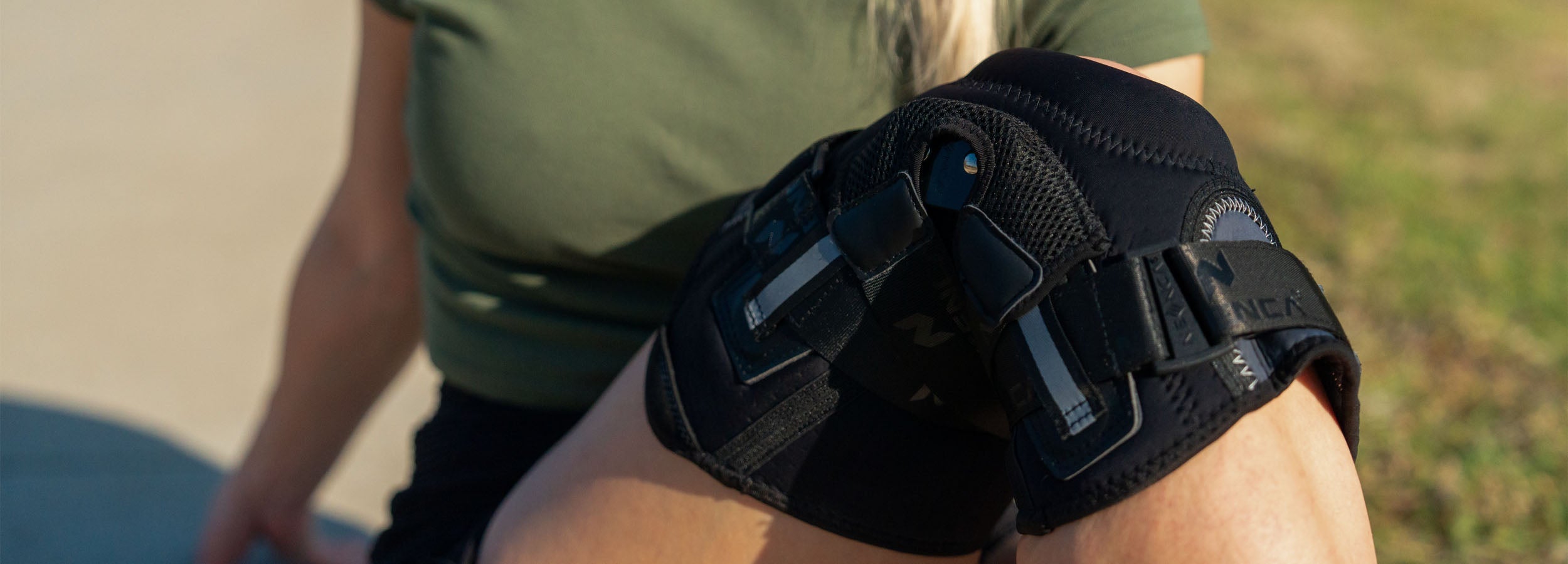
A knee brace is designed to provide additional support around the knee joint. Depending on the design, it may help with compression, stability, alignment, warmth, or controlled movement during daily activities and sports.
Different knee braces serve different purposes. Some are lightweight compression sleeves for everyday comfort, while others include side stabilizers, patella support, straps, or hinged structures for stronger support.
Common knee brace functions include:
- Compression support: helps create a secure, supportive fit around the knee.
- Joint stability: helps reduce unwanted side-to-side movement during activity.
- Patella support: helps support the area around the kneecap.
- Activity confidence: helps users feel more supported during movement.
- Recovery support: may provide additional support during a recovery routine when recommended.
NEENCA knee braces are designed with features such as compression knit fabric, patella gel support, side stabilizers, breathable materials, and ergonomic construction to support comfortable movement. You can learn more about NEENCA’s support design on the Our Technology page.
When Should You Wear a Knee Brace?
You may consider wearing a knee brace when your knee needs extra support during movement, exercise, work, or recovery. The right timing depends on your condition, your comfort level, and the advice of a healthcare professional.
Common situations where people wear knee braces include:
- Walking or standing for long periods
- Running, hiking, pickleball, basketball, wrestling, or gym training
- Work that involves lifting, climbing, kneeling, or repeated movement
- Daily activities that place stress on the knee
- Recovery support after minor strain or overuse
- Additional support for knee instability
- Post-injury or post-surgery support under professional guidance
If your knee pain is severe, sudden, or accompanied by swelling, locking, instability, or difficulty bearing weight, seek medical advice before relying on a brace.
How Long to Wear a Knee Brace for Different Situations
There is no single wear time that applies to everyone. Below are general guidelines for common situations. Your healthcare provider’s instructions should always come first.
For Everyday Knee Support
If you use a knee brace for everyday support, you may only need to wear it during activities that create discomfort or extra pressure on the knee. This could include walking, commuting, standing, shopping, or doing household tasks.
For many users, this means wearing the brace for a few hours at a time, then removing it when resting. If the brace feels too tight, causes numbness, or leaves deep marks, remove it and adjust the fit.
For Exercise and Sports
For sports or workouts, a knee brace is usually worn during the activity itself. This may include warm-ups, training, games, or exercise sessions. After activity, many people remove the brace to allow the skin to breathe and to avoid relying on the brace unnecessarily.
For sports such as pickleball, running, hiking, basketball, or wrestling, the brace should feel secure but not restrictive. It should not slide down, pinch the skin, or limit normal movement more than intended.
For Mild Sprains or Strains
For mild knee sprains or strains, a knee brace may be used for short-term support during daily movement. Wear time may vary from several days to a few weeks depending on comfort, swelling, activity level, and professional advice.
If symptoms do not improve or become worse, stop using the brace as a substitute for care and consult a healthcare professional.
For Meniscus Support
People with meniscus-related knee concerns may use a brace for added stability during walking, work, exercise, or recovery routines. However, the appropriate brace type and wear time depend on the severity of the issue.
A simple compression sleeve may be suitable for light everyday support, while a more structured brace may be recommended for stronger stability. For diagnosed meniscus injuries, always follow your healthcare provider’s recommendations.
For ACL, MCL, or Ligament Support
Ligament-related injuries can vary widely in severity. Some may require rest and rehabilitation, while others may require advanced treatment or surgery. A brace may be part of a professional recovery plan, but wear time should be determined by a doctor or physical therapist.
Do not use a knee brace to self-manage a suspected serious ligament injury without medical evaluation, especially if you feel instability, hear a pop at the time of injury, or cannot bear weight normally.
After Knee Surgery
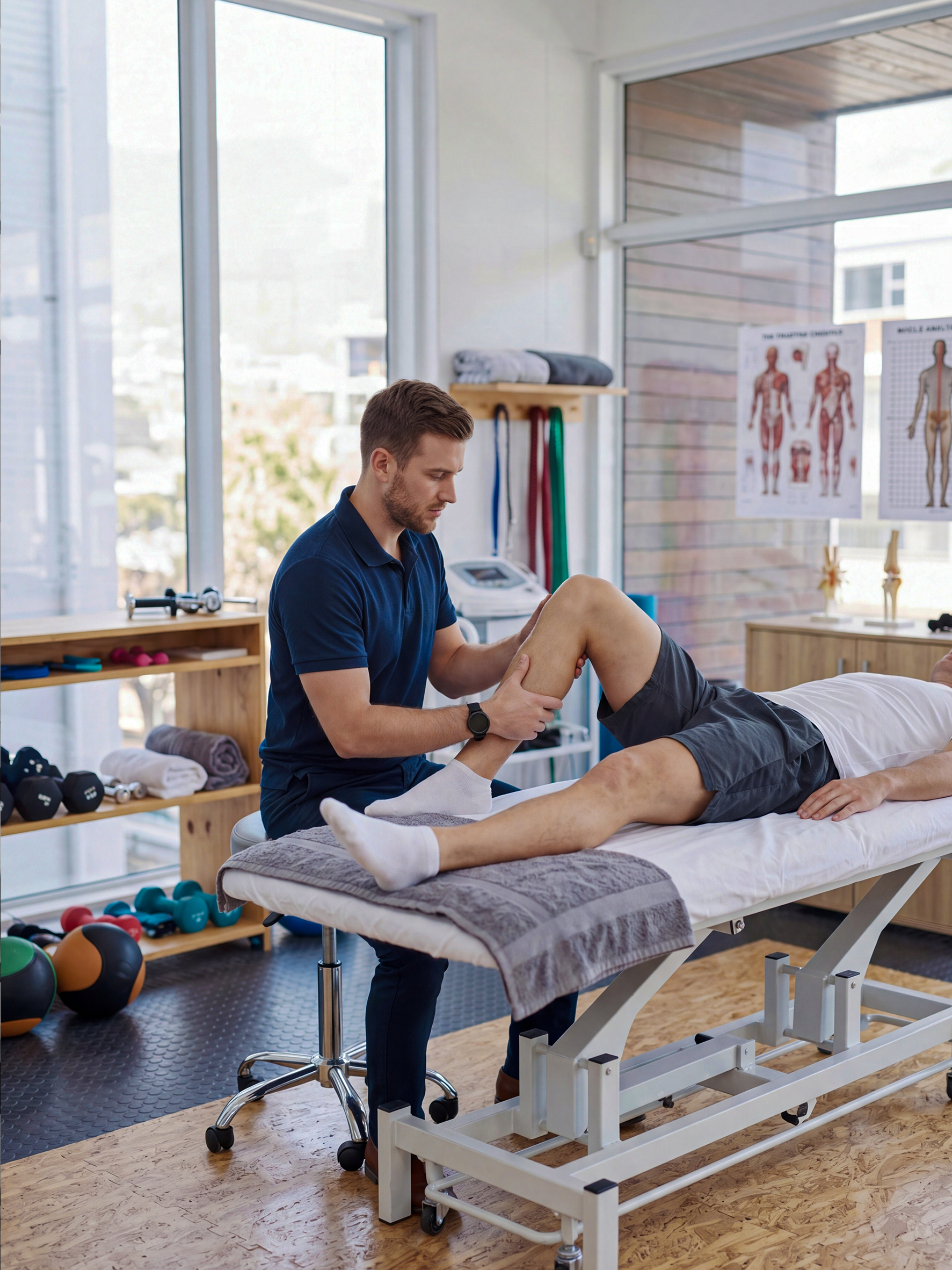
After knee surgery, brace use should follow your surgeon’s or physical therapist’s instructions. In some cases, a brace may be worn for several weeks to help control movement and support the recovery process.
Do not remove, loosen, or change the brace schedule after surgery unless your healthcare provider tells you to do so.
For Arthritis or Long-Term Joint Support
Some people use knee braces for additional support during daily activities when dealing with arthritis-related joint discomfort or stiffness. In these cases, the brace is often worn during activity rather than continuously all day.
If you have arthritis or another long-term joint condition, it is important to combine brace use with appropriate movement, strengthening, weight management, and professional care when needed.
Can You Wear a Knee Brace All Day?
Some people can wear a knee brace for several hours during the day, especially during activity. However, wearing a knee brace all day is not always necessary and may not be appropriate for everyone.
You may be able to wear a knee brace for longer periods if:
- It fits properly
- It does not cause numbness, tingling, or skin irritation
- You are using it for a clear purpose
- Your healthcare provider recommends longer wear
You should remove or adjust the brace if:
- Your leg feels numb or cold
- You notice tingling or increased swelling
- The brace causes skin irritation
- It feels too tight or cuts into the skin
- Your pain becomes worse while wearing it
A knee brace should feel supportive, not painful. If you need all-day support, choose a breathable, well-fitted brace and take breaks when appropriate.
Should You Sleep with a Knee Brace?
Whether you should sleep with a knee brace depends on why you are wearing it. Some people may be advised to sleep with a brace after surgery or during a specific recovery plan. Others may not need to wear one at night.
In general:
- After surgery: follow your surgeon’s instructions exactly.
- For serious injuries: ask your doctor whether nighttime use is recommended.
- For everyday support: sleeping with a knee brace is usually not necessary unless advised.
- If the brace feels restrictive: remove it and consult a professional if unsure.
If you do sleep with a brace, make sure it is not too tight and does not affect circulation. Avoid wrapping or tightening the brace more than recommended.
Signs You May Be Wearing a Knee Brace Too Long
A knee brace can be useful, but wearing it too long or too tightly may cause discomfort. Pay attention to how your knee and leg feel while wearing the brace.
Signs that you may need to remove or adjust your brace include:
- Numbness or tingling
- Coldness in the lower leg or foot
- Increased swelling
- Skin redness, rubbing, or irritation
- Deep pressure marks
- Reduced comfort or increased pain
- Difficulty moving naturally
If these symptoms continue after removing the brace, seek medical advice.
How Should a Knee Brace Fit?
A knee brace should fit snugly enough to stay in place but not so tightly that it limits circulation or causes discomfort. Proper fit is one of the most important factors for safe and effective use.
A good fit should feel:
- Secure around the knee
- Comfortable during movement
- Stable without slipping down
- Supportive without pinching
- Firm but not restrictive
If your brace slides down, bunches behind the knee, feels too tight, or causes pressure points, it may be the wrong size or style. Use the official NEENCA Find Your Size guide to measure correctly before choosing a brace.
How to Choose the Right Knee Brace
The best knee brace depends on your activity, support needs, comfort preferences, and fit. Not every knee brace is designed for the same purpose.
Here are common options:
- Compression knee sleeves: suitable for lightweight support, everyday comfort, and active movement.
- Patella support braces: designed to provide additional support around the kneecap area.
- Side stabilizer braces: helpful when you need more structure during activity.
- Hinged knee braces: provide stronger support and may help control side-to-side movement.
If you are looking for everyday knee support, explore the NEENCA Professional Knee Braces & Sleeves collection. For stronger structural support, you may also consider the NEENCA Hinged Knee Brace collection.
For users who want compression, patella support, and side stability in one design, the NEENCA ACE-51 Professional Knee Brace is designed for breathable comfort and daily movement support.
Practical Tips for Wearing a Knee Brace Safely
- Measure your knee before choosing a size.
- Start with shorter wear periods if you are new to braces.
- Wear the brace during activities where support is needed.
- Remove the brace during rest unless advised otherwise.
- Keep the brace clean and dry.
- Do not over-tighten straps or compression sleeves.
- Combine brace use with appropriate strengthening and mobility work.
- Consult a professional for persistent pain or serious injuries.
Final Thoughts
How long you should wear a knee brace depends on your activity, comfort level, brace type, and recovery needs. For everyday support, most people wear a brace during activities that place extra stress on the knee. For injuries, post-surgical recovery, or long-term joint concerns, wear time should be guided by a healthcare professional.
The key is to use a knee brace as a support tool, not as a replacement for proper care, strengthening, mobility, and recovery. A well-fitted brace can help you move with more confidence, but it should always feel comfortable, secure, and appropriate for your needs.
Need help choosing the right support? Explore NEENCA Knee Braces & Sleeves, learn more about NEENCA support technology, or visit our FAQs for more product guidance.
Frequently Asked Questions
How many hours a day should you wear a knee brace?
For general support, many people wear a knee brace only during activities that place extra stress on the knee, such as walking, work, exercise, or sports. If you need longer wear time, make sure the brace fits properly and does not cause numbness, tingling, or skin irritation.
Can you wear a knee brace all day?
You may be able to wear a knee brace for several hours if it is comfortable and properly fitted. However, all-day use is not always necessary. Remove or adjust the brace if it feels too tight, causes discomfort, or affects circulation.
Should I wear a knee brace while exercising?
If your knee needs additional support during exercise, you may wear a brace during your workout. Choose a brace that matches your activity level and does not restrict natural movement more than intended.
Should you sleep with a knee brace?
You should sleep with a knee brace only if advised by a healthcare professional, especially after surgery or a serious injury. For everyday support, nighttime use is usually not necessary unless specifically recommended.
Can wearing a knee brace weaken your knee?
A knee brace can provide helpful support, but it should not replace strengthening, mobility work, or professional rehabilitation when needed. Over-reliance on a brace without proper movement and conditioning may not be ideal for long-term joint health.
How tight should a knee brace be?
A knee brace should feel snug and secure without cutting into the skin or limiting circulation. If you feel numbness, tingling, coldness, or increased swelling, the brace may be too tight.
When should you stop wearing a knee brace?
You may reduce or stop brace use when your knee feels stable during normal activities and your healthcare provider agrees it is appropriate. If you are using a brace after surgery or injury, follow your recovery plan before making changes.
What type of knee brace should I choose?
The right brace depends on your activity and support needs. Compression sleeves are often used for everyday comfort and movement support, while hinged braces provide stronger structural support. If you are unsure, consult a healthcare professional or review the NEENCA size and product guidance pages.




Dejar un comentario
Este sitio está protegido por hCaptcha y se aplican la Política de privacidad de hCaptcha y los Términos del servicio.