


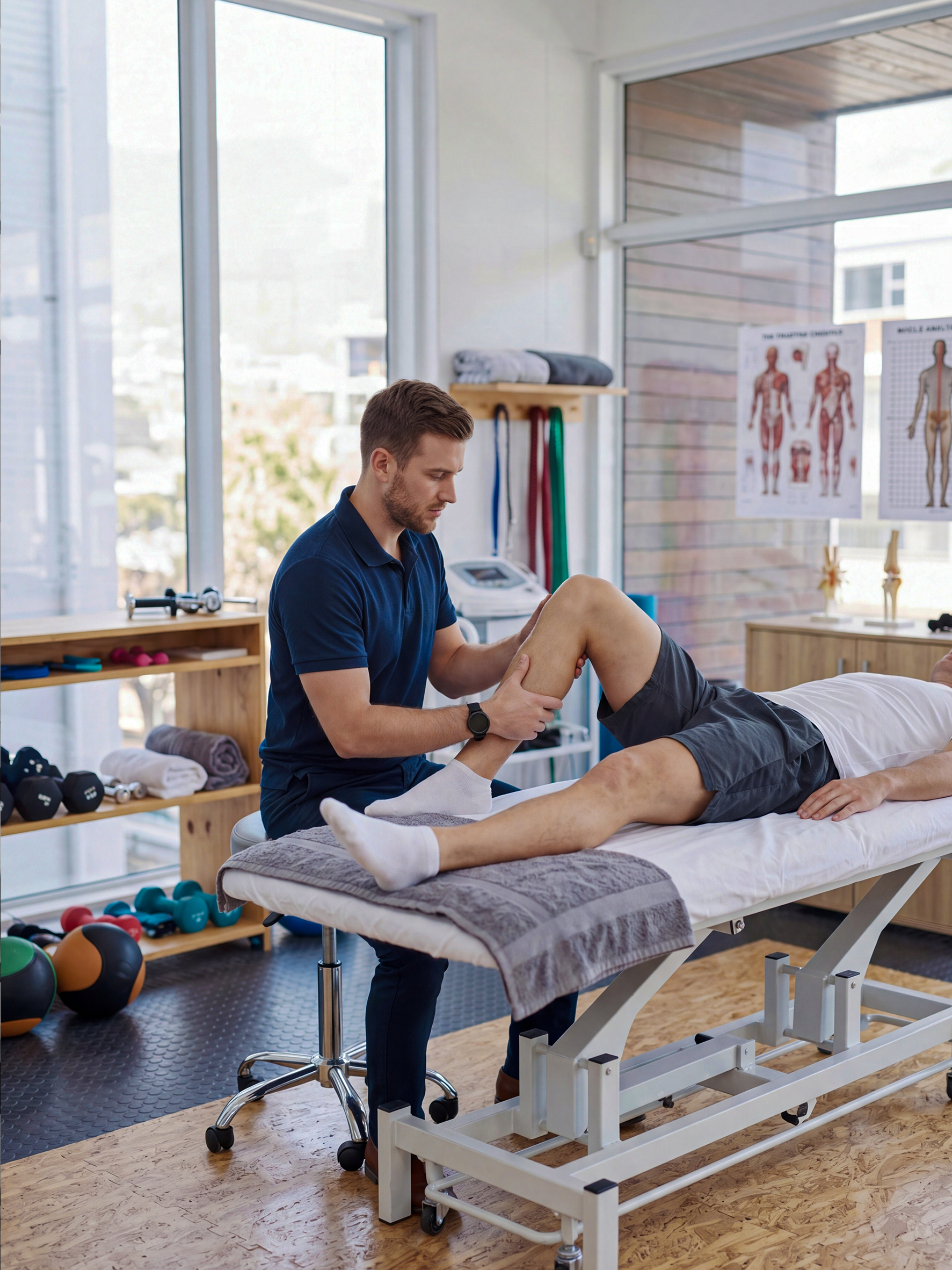



Joint Protection Advice for People With Arthritis: How to Reduce Daily Joint Strain
Joint protection is about using your body in smarter ways so everyday activities place less unnecessary stress on sensitive joints. For people living with arthritis, small adjustments in movement, posture, tools, activity pacing, and support products can make daily tasks feel more manageable.
The goal is not to stop moving. In fact, regular joint-friendly movement is an important part of maintaining mobility, strength, and quality of life. The goal is to move in ways that respect your joints, conserve energy, and reduce avoidable strain.
This guide explains practical joint protection advice for people with arthritis, including how to respect pain signals, use stronger joints, avoid staying in one position too long, choose assistive devices, balance activity and rest, and consider supportive braces when appropriate.
This article is for general educational purposes only and is not a substitute for professional medical advice, diagnosis, or treatment. If you have persistent pain, swelling, joint deformity, numbness, loss of function, or rapidly worsening symptoms, consult a qualified healthcare professional.
What Does Joint Protection Mean?
Joint protection means changing how you perform everyday activities so you can reduce strain on joints affected by arthritis. It does not mean avoiding all activity or keeping joints still. Instead, it means using safer movement habits, better tools, better posture, and smarter pacing.
Joint protection strategies may help you:
- Reduce unnecessary joint stress during daily tasks
- Conserve energy throughout the day
- Improve comfort during work, home, and leisure activities
- Maintain independence with less strain
- Stay more consistent with joint-friendly movement
- Support long-term mobility and function
Organizations such as the Arthritis Foundation, CDC, and Mayo Clinic emphasize many of these same principles: stay physically active, use joint-friendly movement, maintain a healthy weight, balance activity and rest, and consider assistive devices when daily tasks are difficult.
1. Respect Pain and Listen to Your Body
One of the most important joint protection principles is learning to recognize body signals. Pain is not always a reason to stop moving completely, but it is useful information. If a task consistently makes a joint feel worse, that task may need to be modified.
The Arthritis Foundation describes the “two-hour pain rule”: if you have more joint pain two hours after exercising than before you started, you may have overdone it and should ease up next time. This principle can also apply to daily activities such as cleaning, lifting, walking, gardening, or prolonged computer work.
Practical ways to respect pain include:
- Reduce the intensity of an activity instead of pushing through sharp pain
- Break long tasks into shorter sessions
- Switch between sitting and standing when possible
- Use supportive tools or braces when appropriate
- Track which activities cause symptoms later in the day
- Ask a healthcare professional about symptoms that persist or worsen
Ignoring pain signals may lead to more strain, while over-resting may increase stiffness. The goal is to find a sustainable middle ground.
2. Avoid Activities That Repeatedly Irritate Sensitive Joints
If a specific task repeatedly causes discomfort, the answer is not always “do less.” Often, the better answer is “do it differently.”
For example, if standing at the counter makes your knees or back uncomfortable, sit on a high stool while preparing food. If opening jars causes finger or wrist discomfort, use a jar opener instead of forcing the hand. If carrying grocery bags strains your wrists or shoulders, use a cart, backpack, or bags with wider handles.
Common activity modifications include:
- Sit for tasks that do not require standing
- Use both hands instead of one hand when carrying objects
- Slide heavy items across a surface instead of lifting them
- Use a cart, trolley, or backpack for carrying loads
- Avoid gripping tightly when a tool with a larger handle is available
- Keep frequently used items at waist-to-shoulder height
- Use kneeling pads or avoid prolonged kneeling when possible
Common sense matters. If a task causes the same joint discomfort every time, treat that as a signal to redesign the task.
3. Use Assistive Devices to Make Daily Tasks Easier
Assistive devices are practical tools that help you complete tasks with less joint stress. They are not a sign of weakness. They are a smart way to protect small joints, conserve energy, and maintain independence.
Examples include:
- Jar openers
- Easy-grip utensils
- Reachers and grabbers
- Long-handled cleaning tools
- Button hooks and dressing aids
- Raised toilet seats
- Shower benches
- Supportive shoe inserts
- Canes or walking aids when recommended
- Rolling carts for groceries or laundry
Mayo Clinic notes that assistive devices such as canes, shoe inserts, walkers, and raised toilet seats can help protect joints and make daily activities easier. The Arthritis Foundation also recommends self-help devices such as jar openers, reachers, and easy-grip utensils to reduce stress on joints.
4. Use Your Largest and Strongest Joints
Small joints, such as the joints in the fingers and wrists, often experience unnecessary stress during daily tasks. Joint protection advice often encourages people to shift work toward larger, stronger joints when possible.
Examples:
- Carry a bag over your shoulder or forearm instead of gripping it tightly with your fingers
- Use both hands when lifting a pot, laundry basket, or package
- Push a door open with your hip or shoulder instead of only your hand
- Hold objects close to your body instead of reaching far away
- Use a backpack or rolling cart instead of carrying heavy bags in one hand
Using stronger joints helps spread the load across larger muscle groups and reduces repetitive strain on smaller joints.
5. Practice Good Posture and Body Mechanics
How you sit, stand, bend, reach, and lift affects how much stress your joints experience. Good body mechanics help keep your joints in more neutral positions and reduce unnecessary strain.
Mayo Clinic recommends being mindful of joints in everyday routines, keeping joints flexible, maintaining good posture, and balancing activity and rest.
Helpful body mechanics include:
- Keep your back tall and shoulders relaxed while sitting
- Avoid slouching for long periods at a desk
- Keep screens at eye level when working
- Bend at the hips and knees when lifting, rather than rounding the back
- Keep objects close to your body when carrying them
- Avoid twisting while lifting
- Use stable footwear during long standing or walking
If posture or movement mechanics are difficult to manage, a physical therapist or occupational therapist can provide personalized instruction.
6. Avoid Staying in One Position for Too Long
Staying still for long periods can make arthritic joints feel stiff. This can happen after sitting at a desk, riding in a car, watching TV, standing in one place, or sleeping in a position that stresses a joint.
Changing position regularly helps joints stay more comfortable and may make it easier to move throughout the day.
Try these simple habits:
- Stand up and move for a few minutes every 30 to 60 minutes
- Switch between sitting and standing if possible
- Move your hands, wrists, ankles, and knees gently during breaks
- Use a supportive chair for long desk work
- Change hand positions during phone or computer use
- Avoid holding one posture for too long while reading, driving, or crafting
Short movement breaks can make a big difference when practiced consistently.
7. Balance Activity and Rest
Activity is important, but so is recovery. People with arthritis often do best when they pace activities instead of doing too much at once and then needing a long recovery period.
Pacing does not mean doing less overall. It means distributing activity more intelligently across the day.
For example:
- Clean one room at a time instead of the whole home at once
- Take short rest breaks before symptoms become intense
- Alternate heavy tasks with lighter tasks
- Prepare meals in stages instead of standing for a long period
- Plan errands in a route that reduces extra walking or carrying
- Use tools and supports before symptoms become severe, not only afterward
Pacing is one of the most practical joint protection strategies because it can be used immediately in daily life.
8. Avoid Prolonged Immobility
Although rest is important, too much inactivity can lead to stiffness, reduced strength, and lower confidence with movement. Gentle movement helps maintain range of motion and supports joint function.
CDC recommends joint-friendly physical activities that place low stress on joints, such as walking, cycling, light gardening, dancing, tai chi, swimming, and water exercises. The Arthritis Foundation also recommends regular aerobic activity, strength training, and balance exercises as part of an arthritis-friendly routine.
Joint-friendly activities may include:
- Walking
- Cycling
- Swimming or water exercise
- Tai chi
- Yoga or gentle stretching
- Light gardening
- Low-impact strength training
If you are new to exercise or have significant symptoms, start slowly and consider asking a healthcare professional about the safest options for your condition.
9. Maintain a Healthy Weight When Appropriate
Weight-bearing joints such as the knees, hips, ankles, and feet carry a large amount of load during daily activities. Extra body weight can increase stress on these joints, especially during walking, stairs, squatting, or standing.
CDC notes that even a small amount of weight loss can help lower arthritis-related pain and disability for adults with overweight or obesity. For knee and hip arthritis, reducing excess load can be especially meaningful.
Weight management should be approached in a realistic, sustainable, and respectful way. Helpful strategies may include:
- Choosing joint-friendly physical activity
- Building strength gradually
- Working with a healthcare professional when needed
- Making nutrition changes that are sustainable
- Avoiding aggressive or extreme weight-loss methods
The goal is not perfection. The goal is reducing avoidable joint stress and supporting overall health.
10. Simplify, Plan, and Organize
Planning ahead can reduce the number of unnecessary steps, lifts, reaches, and repeated movements you perform during the day. This is especially helpful when symptoms fluctuate.
Practical planning tips include:
- Keep frequently used items within easy reach
- Store heavy items at waist height
- Use smaller containers instead of lifting large ones
- Prepare clothing, meals, or work materials in advance
- Use delivery or pickup services when carrying items is difficult
- Group errands by location
- Use a timer to remind yourself to change position
Planning is not just about saving time. For people with arthritis, it is also a form of joint protection.
11. Consider Supportive Braces When They Make Sense
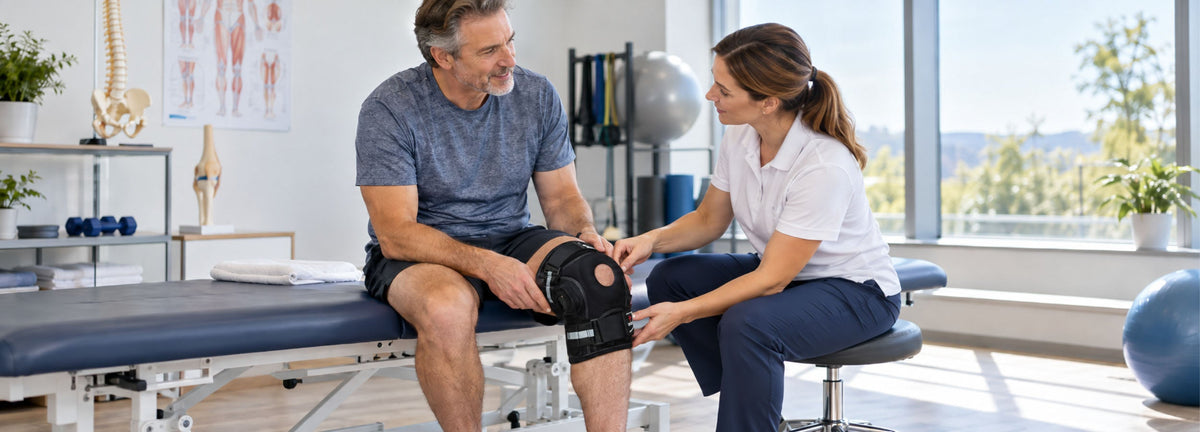
Braces and compression supports can be helpful for some people with arthritis when used appropriately. A brace may provide compression, warmth, stability, positioning support, or a greater sense of confidence during movement.
However, braces should be used as support tools, not as medical cures. They cannot reverse arthritis, repair damaged cartilage, or replace professional care. The right brace depends on the joint, symptoms, activity, fit, and advice from a healthcare professional when needed.
Knee Support
For people who want additional knee support during walking, errands, work, or exercise, a knee brace or sleeve may help provide a more secure feel. Explore NEENCA Professional Knee Braces & Sleeves. For compression, patella support, and side stability, the NEENCA ACE-51 Professional Knee Brace may be a useful option for daily movement support.
Wrist and Hand Support
For repetitive hand use, typing, driving, gardening, or thumb support, explore the NEENCA Wrist & Hand Collection. The NEENCA HW003 Wrist and Thumb Support Brace is designed to provide wrist and thumb support with removable splints, adjustable compression, and breathable comfort.
Ankle Support
If ankle support is needed during walking or daily movement, explore NEENCA Ankle Braces & Joint Support.
Back Support
For lower back support during standing, lifting, work, or daily activities, visit the NEENCA Back & Waist Collection. The NEENCA HY006 Lower Back Brace includes lumbar support and pulley compression for everyday comfort.
12. Protect Joints During Common Daily Activities
In the Kitchen
- Use jar openers and easy-grip utensils
- Slide pots instead of lifting when safe
- Use both hands to carry dishes
- Sit while preparing food when needed
- Store frequently used items at easy height
At Work
- Adjust chair, desk, screen, and keyboard height
- Take short movement breaks
- Use wrist support if repetitive typing causes discomfort
- Avoid holding one posture for hours
- Alternate tasks when possible
During Shopping and Errands
- Use a cart instead of carrying heavy bags
- Make multiple lighter trips instead of one heavy trip
- Wear supportive footwear
- Plan errands to reduce extra walking
During Exercise
- Warm up gradually
- Choose low-impact activities
- Strengthen muscles around affected joints
- Use the two-hour pain rule to adjust intensity
- Ask a professional about safe exercise modifications
When to Seek Professional Advice
Joint protection strategies can be useful, but they are not a replacement for medical care. Speak with a healthcare professional if you experience:
- Severe or persistent pain
- Rapidly increasing swelling
- Warmth, redness, or tenderness around a joint
- Loss of function
- Difficulty walking or bearing weight
- Numbness or tingling
- Joint locking, catching, or giving way
- Symptoms that interfere with sleep or daily life
A physician, physical therapist, occupational therapist, or certified arthritis educator can help you choose the safest activity level, movement modifications, assistive devices, and support products for your situation.
Final Thoughts
Joint protection for arthritis is built from small daily choices. Respect pain signals. Modify activities that repeatedly irritate joints. Use assistive devices. Rely on larger, stronger joints when possible. Maintain good posture. Change positions often. Balance activity and rest. Keep moving with joint-friendly exercise. Manage body weight when appropriate. Plan your day to reduce unnecessary strain.
Support products such as knee braces, wrist braces, ankle supports, back braces, and compression gear may also help some people feel more secure and comfortable during everyday movement. The key is to choose the right support, use it properly, and combine it with healthy movement habits.
To learn more about NEENCA support technology, visit Our Technology. For product sizing guidance, visit Find Your Size. If you need help choosing a product, visit the NEENCA FAQs or Contact Us.
Frequently Asked Questions
What is joint protection for arthritis?
Joint protection means changing how you move, work, lift, carry, rest, and use tools so daily activities place less unnecessary stress on joints affected by arthritis. It includes pacing, posture, assistive devices, joint-friendly activity, and supportive products when appropriate.
Should people with arthritis avoid exercise?
In most cases, no. Joint-friendly physical activity can help maintain mobility, strength, and quality of life. CDC lists walking, cycling, swimming, tai chi, water exercise, and light gardening as examples of joint-friendly activities. People with severe symptoms should ask a healthcare professional for personalized guidance.
What is the two-hour pain rule for arthritis?
The two-hour pain rule means that if joint pain is worse two hours after activity than it was before, you may have done too much. The next time, reduce the intensity, duration, or difficulty of the activity.
Do assistive devices really help arthritis?
Yes, assistive devices can make tasks easier and reduce stress on sensitive joints. Examples include jar openers, reachers, easy-grip utensils, long-handled tools, shower benches, raised toilet seats, and carts.
Can a knee brace help with arthritis?
A knee brace may provide compression, warmth, and a more supportive feel during walking or daily activity. However, it does not cure arthritis or replace medical care. The right brace depends on the person, symptoms, activity level, and fit.
How can I protect my hands if I have arthritis?
Use larger grips, avoid tight pinching, choose assistive devices such as jar openers, use both hands when possible, take breaks from repetitive tasks, and consider wrist or hand support when appropriate.
Why does staying still make arthritis feel worse?
Long periods in one position can increase stiffness. Gentle movement breaks and range-of-motion exercises can help joints feel more comfortable throughout the day.
Does weight affect arthritis symptoms?
Extra body weight can increase stress on weight-bearing joints such as the knees, hips, ankles, and feet. CDC notes that even a small amount of weight loss can help lower arthritis-related pain and disability for adults with overweight or obesity.
When should I see a doctor for arthritis pain?
Seek professional advice if pain is severe, persistent, rapidly worsening, associated with swelling, warmth, numbness, instability, loss of function, or difficulty bearing weight.
What NEENCA products may support everyday joint comfort?
Depending on the joint you want to support, you may explore NEENCA knee braces, wrist and hand supports, ankle braces, back braces, and compression products. Use the Find Your Size guide and product pages to choose the correct fit.
Related NEENCA Resources
- Our Technology
- Find Your Size
- FAQs
- Professional Knee Braces & Sleeves
- Wrist & Hand Support
- Ankle Braces & Joint Support
- Back & Waist Support
- NEENCA ACE-51 Professional Knee Brace
- NEENCA HW003 Wrist and Thumb Support Brace
References
- Arthritis Foundation. How Hard Should You Work Out? The Two-Hour Pain Rule.
- Arthritis Foundation. Self-Help Arthritis Devices.
- CDC. About Physical Activity and Arthritis.
- CDC. Osteoarthritis: What You Can Do.
- CDC. Talking to Patients About Self-Management.
- Mayo Clinic. Arthritis Pain: Do's and Don'ts.
- Mayo Clinic. Arthritis Diagnosis and Treatment: Assistive Devices.
- Hospital for Special Surgery. Assistive Devices for Arthritis of the Hands.

Von Xu Wenqiang



Hinterlasse einen Kommentar
Diese Website ist durch hCaptcha geschützt und es gelten die allgemeinen Geschäftsbedingungen und Datenschutzbestimmungen von hCaptcha.