




Knee Sleeve vs Knee Brace: What's the Difference?
If you are shopping for knee support, one of the first questions you may have is simple: do you need a knee sleeve, a knee brace, or a hinged knee brace? The names sound similar, but they are not the same. Each type of knee support is designed for a different balance of compression, comfort, mobility, and stability.
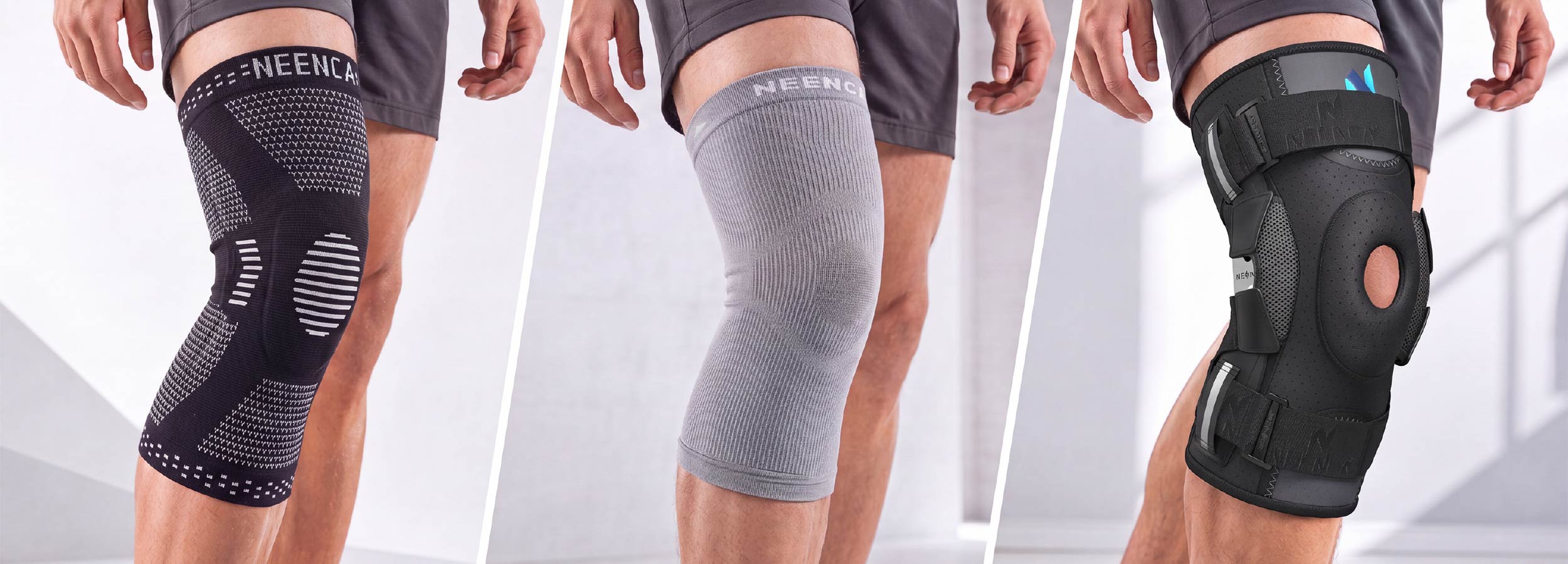
A knee sleeve usually focuses on flexible compression and everyday comfort. A stabilized knee brace adds extra support features such as patella support, side stabilizers, straps, or anti-slip construction. A hinged knee brace provides a higher level of structure for users who want stronger side support or who have been advised to use a more supportive brace.
The right choice depends on your daily routine, activity level, support needs, fit, and whether you need light compression, moderate stability, or stronger structural support.
This guide explains the key differences between knee sleeves, stabilized knee braces, and hinged knee braces so you can choose the right direction before buying.
This article is for general educational purposes only and is not a substitute for professional medical advice, diagnosis, or treatment. If you have severe pain, sudden swelling, numbness, instability, a recent knee injury, post-surgery concerns, or difficulty bearing weight, consult a qualified healthcare professional before choosing a knee support product.
Quick Answer: Knee Sleeve vs Knee Brace
A knee sleeve is usually a flexible compression product that slides over the knee. It is often used for light support, warmth, comfort, and body awareness during walking, exercise, or daily activity.
A stabilized knee brace adds support features beyond compression, such as a patella gel pad, side stabilizers, adjustable straps, or anti-slip design. It is often used when someone wants a more secure feel than a simple sleeve can provide.
A hinged knee brace includes hinges or stronger side structures. It is designed for higher stability needs and may be more suitable when stronger side support is desired or when a healthcare professional recommends more structured support.
The Main Difference Is Support Level
The simplest way to understand the difference is to think in support levels:
| Type | Main Purpose | Support Level | Best For |
|---|---|---|---|
| Knee Sleeve | Compression, warmth, flexible support | Light to moderate | Walking, light workouts, daily comfort, flexible movement |
| Stabilized Knee Brace | Compression plus added support features | Moderate | Standing, stairs, work, gym training, hiking, court sports |
| Hinged Knee Brace | Stronger side support and structure | Moderate to higher stability | Higher stability needs, demanding activities, professional-guided use |
This does not mean one type is always better. A sleeve may be the better choice for someone who wants lightweight daily support. A stabilized brace may be better for someone who wants support during long standing or active movement. A hinged brace may be better for someone who wants more structure, but it may feel unnecessary for simple daily wear.
What Is a Knee Sleeve?
A knee sleeve is a flexible support product that slides over the knee and applies compression around the joint. Most sleeves are made from elastic fabric, knit material, neoprene, or compression textile blends. The goal is usually to provide a snug, supportive feel while allowing natural movement.
Knee sleeves are commonly used by people who want light daily support, warmth, compression, and comfort during movement.
Common Knee Sleeve Features
- Flexible compression fabric
- Lightweight construction
- Easy pull-on design
- Comfortable fit under clothing
- Good mobility for walking and exercise
- Less bulk than many structured braces
When a Knee Sleeve May Make Sense
A knee sleeve may be a good starting point if you want:
- Light support for walking or errands
- A flexible feel during light workouts
- Compression during gym warm-ups
- A low-profile product under pants
- Support for general daily movement
- A simple product that is easy to put on and take off
For users who prefer flexible compression and everyday comfort, the NEENCA ACE-50 Knee Compression Sleeve is one product direction to compare.
Limitations of a Knee Sleeve
A sleeve may not be enough if you want more noticeable side support, patella support, strap adjustment, or higher stability. It also may not be the right choice if you have significant instability, a recent injury, or a healthcare provider has recommended a more structured brace.
What Is a Stabilized Knee Brace?
A stabilized knee brace sits between a basic sleeve and a hinged brace. It usually provides compression, but it also adds support features to help the knee feel more secure during movement.
These features may include side stabilizers, a patella gel pad, adjustable straps, anti-slip silicone, reinforced knit zones, or an open-patella design.
Common Stabilized Knee Brace Features
- Compression fabric for secure fit
- Patella support around the kneecap area
- Side stabilizers for additional structure
- Anti-slip design to reduce sliding
- Breathable materials for longer wear
- More support than a simple sleeve
When a Stabilized Knee Brace May Make Sense
A stabilized brace may be the better direction if you want support for:
- Standing through long shifts
- Walking longer distances
- Going up and down stairs
- Gym training or lower-body workouts
- Pickleball, hiking, wrestling practice, or recreational sports
- Daily movement when you want a more secure feel
The NEENCA ACE-51 Professional Knee Brace is designed with compression, patella support, side stabilizers, and breathable materials for users who want more structure than a basic sleeve while still allowing natural movement.
Limitations of a Stabilized Knee Brace
A stabilized brace may feel more substantial than a simple sleeve. Some users may prefer a lighter sleeve for short walks or casual daily use. Others may need a higher-stability brace if they want stronger structural support or have been advised to use one.
What Is a Hinged Knee Brace?
A hinged knee brace includes hinges or stronger side structures designed to provide more mechanical support. These braces are usually more structured than sleeves or stabilized braces.
Hinged braces are often chosen by people who want stronger side support, a more secure feeling during demanding activities, or a brace direction recommended by a healthcare professional.
Common Hinged Knee Brace Features
- Side hinges or stronger side support structures
- Adjustable straps for fit control
- Open-patella or structured front design
- More noticeable support than sleeves
- Designed for higher stability needs
When a Hinged Knee Brace May Make Sense
A hinged knee brace may be worth comparing if you want:
- More side-to-side support
- A more structured brace feel
- Support for demanding activities
- A brace option for higher stability needs
- A product direction your healthcare professional has recommended
You can compare options in the NEENCA Hinged Knee Brace Collection.
Limitations of a Hinged Knee Brace
A hinged brace can be more supportive, but it can also be bulkier, warmer, or less convenient for casual daily use. Some people do not need that level of structure for walking, errands, or light workouts. The goal is not to choose the strongest brace possible; it is to choose the right support level for the situation.
Knee Sleeve vs Stabilized Brace vs Hinged Brace: Side-by-Side Comparison
| Feature | Knee Sleeve | Stabilized Knee Brace | Hinged Knee Brace |
|---|---|---|---|
| Compression | Yes | Yes | Often included, depending on design |
| Patella Support | Usually limited | Often included | Often included |
| Side Support | Minimal | Moderate with stabilizers | Stronger with hinges or rigid side structures |
| Mobility | Highest flexibility | Balanced mobility and support | More structured feel |
| Bulk | Lowest | Moderate | Highest |
| Best Use | Light daily support and flexible movement | Daily activity, work, stairs, gym, sports support | Higher stability needs and professional-guided support |
Which One Should You Choose?
Choose a Knee Sleeve If...
- You want light compression and comfort.
- You need support for walking, errands, or light workouts.
- You prefer a low-profile product under clothing.
- You do not need strong side support.
- You want the most flexible option.
Choose a Stabilized Knee Brace If...
- You want more support than a simple sleeve.
- You stand or walk for long periods.
- You need support for stairs, work, hiking, or training.
- You want patella support or side stabilizers.
- You want a balance between mobility and stability.
Choose a Hinged Knee Brace If...
- You want stronger side support.
- You prefer a more structured brace feel.
- Your activity involves more demanding movement.
- You have been advised to use a brace with more stability.
- A sleeve or stabilized brace does not feel supportive enough.
Activity-Based Examples
Choosing by activity often works better than choosing by product label. Here are practical examples.
| Daily Routine | Possible Starting Point | Why |
|---|---|---|
| Short walks and errands | Knee sleeve | Light compression and easy movement may be enough. |
| Standing all day | Stabilized knee brace | More secure fit and support may help during long shifts. |
| Stairs and daily movement | Stabilized brace or hinged brace | Patella support and side structure may feel more secure. |
| Gym training | Knee sleeve or stabilized brace | Depends on whether you prioritize flexibility or support. |
| Hiking or uneven terrain | Stabilized brace or hinged brace | Uneven ground may require more confidence and side support. |
| Higher stability needs | Hinged knee brace | Stronger side support may be more appropriate. |
Fit Matters More Than Most People Think
Even the right type of knee support can feel wrong if the size is not correct. A brace that is too loose may slide down or fail to provide support. A brace that is too tight may cause discomfort or circulation symptoms.
A properly fitted knee support should:
- Feel snug but not painful
- Stay in place during normal activity
- Allow appropriate movement for the activity
- Not pinch behind the knee
- Not cause numbness, tingling, coldness, or discoloration
Before choosing a product, measure carefully using the NEENCA Find Your Size guide. Product sizing can vary by model, so do not assume your size is the same across every brace.
Do You Need Compression, Stability, or Both?
This is one of the most useful questions to ask before buying.
If your main goal is comfort, warmth, light support, or flexible movement, a sleeve may be enough.
If you want compression plus a more secure feel around the kneecap and sides of the knee, a stabilized brace may be a better match.
If you want more noticeable side support or have been advised to use a more structured brace, a hinged brace may be worth considering.
NEENCA offers different knee support directions within the Knee Braces Collection, so users can compare compression sleeves, stabilized support, and higher-stability designs based on activity and fit.
Common Mistakes When Choosing Between a Sleeve and a Brace
Mistake 1: Assuming Stronger Always Means Better
A stronger brace is not always the better choice. If you only need light daily support, a bulky brace may feel uncomfortable and unnecessary.
Mistake 2: Choosing Only by Keyword
Search terms such as arthritis, meniscus, ACL, MCL, and post-surgery can be medically sensitive. If those terms describe your situation, a healthcare professional can help you understand what type of support is appropriate.
Mistake 3: Ignoring Comfort
A brace only helps if you actually wear it. Breathability, fit, and mobility matter as much as support level.
Mistake 4: Using a Brace to Push Through Symptoms
A brace can support movement, but it should not be used to ignore severe or worsening symptoms. Pain, swelling, locking, giving way, numbness, or difficulty bearing weight should be evaluated.
Mistake 5: Not Measuring Correctly
Guessing size is one of the fastest ways to end up with a brace that slips, pinches, or feels wrong. Always measure before buying.
When to Ask a Healthcare Professional
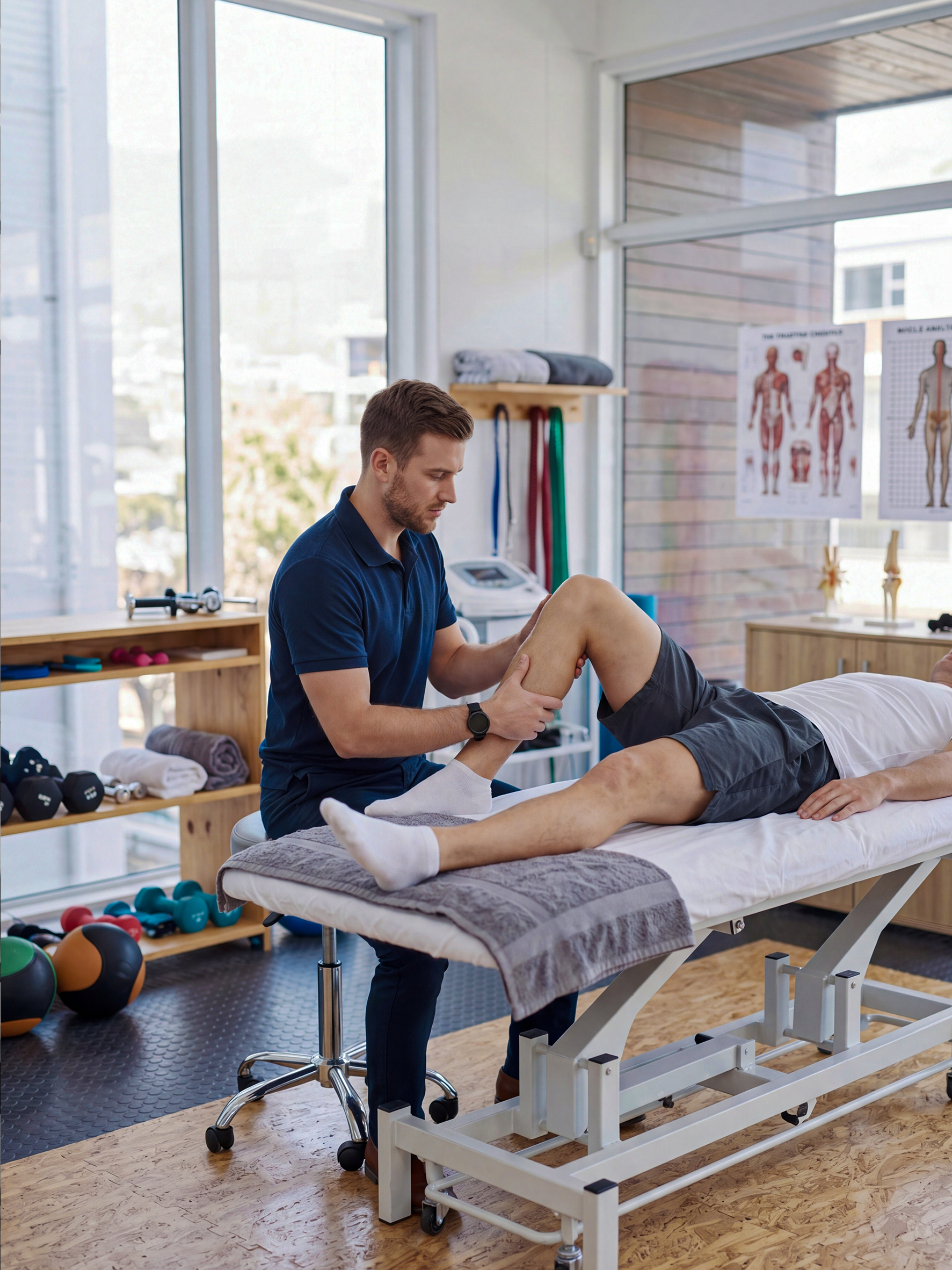
Ask a doctor, physical therapist, athletic trainer, or qualified healthcare professional before choosing a knee support product if you have:
- Severe or persistent pain
- Sudden swelling
- Warmth, redness, or tenderness around the knee
- Numbness or tingling
- Difficulty bearing weight
- A knee that gives way, locks, or catches
- A recent injury
- Post-surgery concerns
- A known ligament injury history with ongoing instability
- Circulation problems or diabetes-related concerns
Choosing between a sleeve, stabilized brace, and hinged brace is much easier when you know whether your needs are mainly comfort-based, activity-based, or medically guided.
Final Thoughts
The difference between a knee sleeve and a knee brace comes down to support level and structure.
A knee sleeve is usually best for flexible compression and light daily support. A stabilized knee brace adds features such as patella support and side stabilizers for users who want a more secure feel during walking, work, stairs, gym training, or recreational sports. A hinged knee brace provides stronger side support and may be better for higher stability needs or professional-guided situations.
The right choice is the one that fits your routine, your support needs, and your body. Measure carefully, choose the correct size, and avoid using a brace to ignore symptoms that need professional attention.
To learn more about NEENCA support design and product features, read What Makes NEENCA Braces Different?.
Frequently Asked Questions
Is a knee sleeve the same as a knee brace?
No. A knee sleeve usually provides flexible compression and light support. A knee brace may include additional support features such as side stabilizers, patella support, straps, or hinges.
Which is better, a knee sleeve or a knee brace?
Neither is always better. A sleeve may be better for flexible daily support, while a stabilized or hinged brace may be better when you want more structure. The right choice depends on your activity and support needs.
What is a stabilized knee brace?
A stabilized knee brace combines compression with added support features such as side stabilizers, patella support, straps, or anti-slip design. It provides more structure than a simple sleeve while still allowing natural movement.
What is a hinged knee brace used for?
A hinged knee brace provides stronger side support and a more structured feel. It may be used when someone wants higher stability or has been advised to use a more supportive brace.
Can I wear a knee sleeve every day?
Many knee sleeves are designed for daily wear when properly fitted. Remove the sleeve if it causes numbness, tingling, coldness, discoloration, or discomfort.
Can I work out with a knee brace?
Some knee braces are designed for activity, but the right choice depends on the workout. Choose a brace that allows appropriate movement, stays secure, and matches your support level.
How tight should a knee sleeve or brace be?
It should feel snug and supportive, not painful or restrictive. If it causes numbness, tingling, coldness, sharp pain, or deep pressure marks, it may be too tight.
Should I choose a hinged knee brace for sports?
It depends on the sport, your support needs, and any guidance from a healthcare professional. Some users prefer flexible support, while others want more structure. Sports rules may also affect what braces are allowed.
Can a knee brace prevent injury?
A knee brace can provide support and comfort, but it cannot guarantee injury prevention. Proper technique, strength, warm-ups, footwear, recovery, and professional guidance when needed are also important.
When should I see a doctor before using knee support?
Seek professional advice if you have severe pain, swelling, instability, numbness, a recent injury, post-surgery concerns, or difficulty bearing weight.
References
- Cleveland Clinic. Knee Braces, Sleeves & Support: Types & How To Use.
- Mayo Clinic Health System. To Brace or Not to Brace: What's Best?
- AAOS OrthoInfo. Arthritis of the Knee.
- Mayo Clinic. Exercise Helps Ease Arthritis Pain and Stiffness.




Leave a comment
This site is protected by hCaptcha and the hCaptcha Privacy Policy and Terms of Service apply.