




Knee Brace for Stairs: What Features Matter
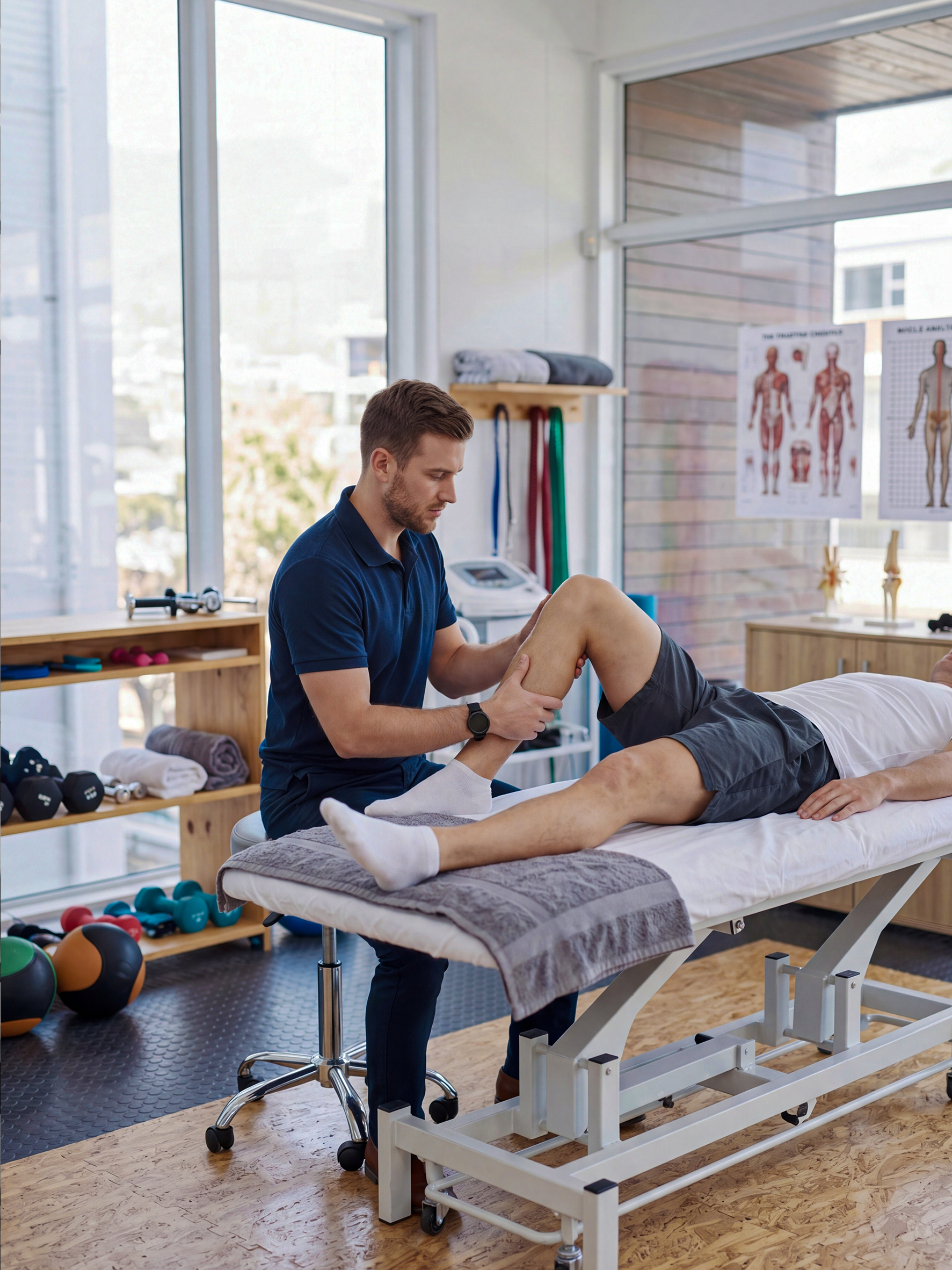
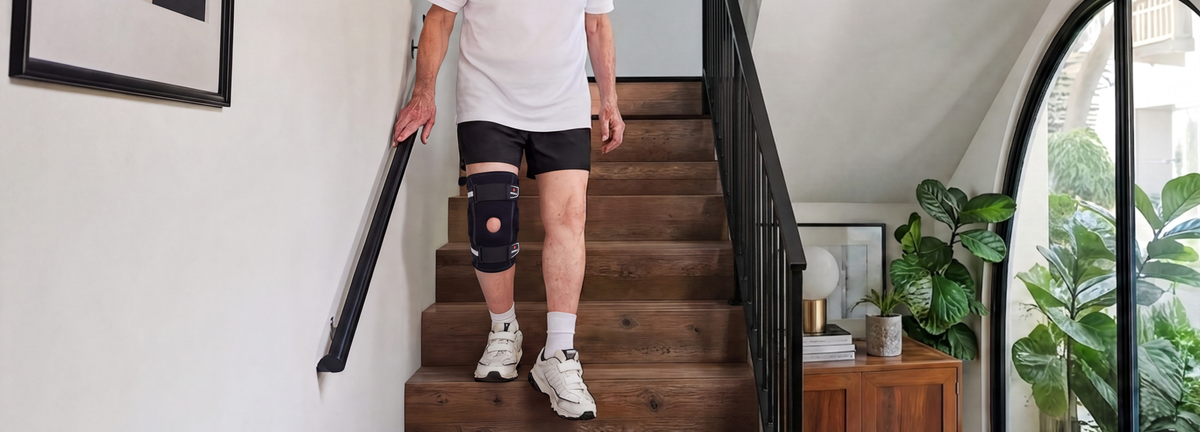
Stairs are one of the first everyday movements that make people notice their knees. Walking on flat ground may feel manageable, but going upstairs or downstairs can feel different because the knee has to bend more, control body weight, stay aligned, and respond to each step quickly.
That is why choosing a knee brace for stairs should not be based only on which brace looks strongest. A brace that feels supportive while standing may slide when you climb. A rigid brace may feel secure but awkward during normal stair movement. A soft sleeve may feel comfortable, but some users may want more patella-area support, side support, or adjustability.
This guide explains what features matter in a knee brace for stairs, how stair movement differs from flat walking, and how to compare support levels for daily steps, apartment stairs, work stairs, travel, and active routines.
If you are not sure which support direction fits your routine, start with the NEENCA Knee Brace Finder before comparing individual products.
This article is for general educational purposes only and is not a substitute for professional medical advice, diagnosis, or treatment. If you have sharp pain, swelling, instability, locking, numbness, a recent injury, post-surgery restrictions, or difficulty bearing weight, consult a qualified healthcare professional before using a brace to continue stair activity.
Why Stairs Feel Different From Flat Walking
Flat walking is usually rhythmic and predictable. Stairs are more demanding because each step changes the height of your body, the angle of the knee, and the amount of control required from the thigh, hip, calf, and foot.
Going upstairs and going downstairs are also not the same. Climbing stairs often feels like a pushing movement. Going down stairs often feels like a controlled lowering movement. Many people find the descent more noticeable because the leg has to manage body weight while the knee bends and the foot finds the next step.
Several factors can make stairs feel harder on the knees:
- More knee bend: Stairs usually require more flexion than level walking.
- Step height: Taller steps can increase the amount of control required.
- Downward control: Descending stairs asks the leg to slow the body down step by step.
- Fatigue: Stairs often feel harder after a long shift, workout, hike, or full day of errands.
- Footwear: Shoes with poor grip, worn soles, or unstable cushioning can change confidence on steps.
- Surface conditions: Wet, dark, crowded, uneven, or outdoor steps can make movement less predictable.
Research on stair movement has shown that stair ascent and descent can create different patellofemoral joint mechanics compared with level walking. This does not mean every person needs a brace for stairs. It does mean stair movement deserves its own support strategy.
What a Knee Brace Can and Cannot Do on Stairs
A knee brace or knee support sleeve can help provide compression, a more secure feel, and added support around the knee during stair movement. For some users, that can make daily steps feel more controlled and comfortable.
However, a brace cannot replace careful movement, proper footwear, handrail use, strength, balance, pacing, or professional evaluation when symptoms are present. It also cannot guarantee that stair discomfort or instability will disappear.
A practical way to think about knee support for stairs is:
- It can help the knee feel more supported during repeated bending.
- It can provide compression and a closer fit around the joint.
- When properly fitted, it can sit more consistently around the kneecap area.
- It should not block natural stair motion.
- It should not be used to push through sharp or worsening symptoms.
Evidence Boundary: What the Research Can and Cannot Tell Us
There is research on knee sleeves, knee orthoses, stair biomechanics, and brace use during stair negotiation. Some studies focus on specific groups, such as people with patellofemoral osteoarthritis or medial knee osteoarthritis. Other research reviews look at knee sleeves, unloader braces, patellofemoral braces, and compression garments more broadly.
That evidence is useful, but it should not be overstated. A consumer knee brace worn for apartment stairs, workplace stairs, or travel steps is not the same as a clinical brace used in a research protocol. Results can vary by brace type, fit, diagnosis, user strength, walking pattern, stair design, and how the brace is adjusted.
For this reason, this guide uses research to explain why stairs are mechanically demanding and why brace features such as fit, patella-area support, side structure, compression, and adjustability may matter. It does not claim that any brace will prevent injury, treat a condition, or guarantee stair comfort.
When Extra Support May Make Sense for Stairs
Extra knee support may be worth considering when stairs are a regular part of your day and you want a more secure feel during movement.
Common examples include:
- Living in a home or apartment with stairs
- Using stairs often at work
- Walking up and down steps during long shifts
- Climbing stairs after gym training or sports
- Taking stairs during travel, commuting, or errands
- Feeling less confident when going downstairs
- Wanting a brace that feels more secure than a basic sleeve
If stairs are part of long standing or work shifts, you may also want to read Best Knee Support for Standing All Day for a broader workday support approach.
Feature 1: Patella Support That Sits in the Right Place
The kneecap area is one of the most important zones to check when choosing a knee brace for stairs. During stair movement, the knee bends repeatedly and the brace needs to stay aligned around the front of the knee.
A contoured patella gel pad or open-patella cushion can help the brace sit more naturally around the kneecap area. The key detail is placement. The patella support should line up with the kneecap — not too high on the thigh and not too low on the shin.
If the patella support sits clearly below the kneecap when you stand, it will usually feel less accurate once you start climbing stairs. If it shifts after a few steps, the brace may be the wrong size, placed incorrectly, or not secure enough for your movement.
Feature 2: Side Stabilizers or Hinges for a More Secure Feel
Stairs are not only a front-and-back movement. The knee also has to stay steady as your body shifts weight from one leg to the other. For users who want more than simple compression, side support can matter.
Flexible side stabilizers can add a more structured support feel while still allowing normal bending. Adjustable hinged support can provide a firmer side structure and more control over wrap tension. The right choice depends on how much support you want and whether the brace still allows natural stair movement.
More structure is not always better. A brace that is too bulky or stiff may make stairs feel less natural. The ideal support level should feel secure without making you change your step pattern.
Feature 3: Anti-Slip Fit
A knee brace for stairs must stay in place. If it slides, rolls, or twists, it becomes distracting and less useful.
Anti-slip design matters because stairs involve repeated bending, body-weight transfer, and changes in knee angle. A brace may seem fine while standing still but start moving after several steps.
A good stair-support fit should:
- Stay centered around the kneecap area
- Hold position during stair ascent and descent
- Not slide down after walking or sweating
- Not roll at the top or bottom edge
- Not twist around the leg when turning on a landing
Feature 4: Comfortable Compression
Compression can help create a snug, supported feel around the knee. For stairs, the goal is not maximum tightness. The goal is enough compression to feel secure while still allowing repeated bending.
A brace is too tight if it causes numbness, tingling, coldness, discoloration, deep pressure marks, or discomfort that increases as you move. A brace is too loose if it slides, bunches, or fails to stay centered around the kneecap area.
Stair support should feel stable during movement, not just tight when standing still.
Feature 5: Adjustable Straps When a Sleeve Is Not Enough
Some users prefer a pull-on compression brace because it is easy to wear and low profile. Others want more adjustability, especially when stairs are part of work, travel, hiking, or longer daily movement.
Adjustable straps can help fine-tune the wrap around the upper and lower leg. This can be useful when a basic sleeve feels either too loose in one area or too tight in another.
For stairs, strap adjustment should create a secure feel without over-tightening. The brace should not dig into the skin, restrict circulation, or pull the kneecap area out of position.
Feature 6: Flexibility for Natural Bending
A good knee brace for stairs should bend with you. If a brace makes it difficult to step up, step down, turn on a landing, sit, or stand from a chair, it may not be practical for everyday use.
Before relying on a brace for stairs, test it with the movements you actually do:
- Step up slowly
- Step down slowly
- Turn on a landing
- Sit and stand from a chair
- Walk on flat ground before and after stairs
- Check whether the brace still feels centered after movement
Support Level: Light Compression, Stronger Compression, Hinged Support, or OA Support?
The right brace depends on how much support you want and what kind of stairs you use most often.
| Support Direction | Best For | Why It May Fit Stairs | What to Watch |
|---|---|---|---|
| Supportive Compression Brace | Daily stairs, errands, longer walks, active routines | Can provide compression, patella-area support, side stabilizers, and a secure fit | Should stay centered and allow natural bending |
| Lighter Supportive Compression | Users who want a lighter, softer, and more breathable support feel for regular stair use | Can feel easier to wear for daily movement while still offering compression-based support | Should still stay centered during repeated stair movement |
| Adjustable Hinged Support | Users who want more structure than a flexible-stabilizer sleeve | Removable side hinges and front-crossing straps can create a firmer, more adjustable feel | May feel bulkier than sleeve-style support |
| Highly Structured Side-Specific Support | Users who want more controlled support direction during walking and daily movement | More specialized adjustment and structure than standard compression options | Professional fitting guidance is recommended |
Which NEENCA Knee Support Model Is Right for Stairs?
For stairs, start with how often stairs appear in your day and whether you prefer lighter comfort, stronger compression, adjustable hinged support, or more specialized structure.
| Model | Support Feel | Best For Stair Use |
|---|---|---|
| ACE-51 | Thicker, more secure compression with a more comfortable material feel | Users who want a stronger wrap feel with patella support and flexible side stabilizers for daily stairs, longer walks, and active routines |
| ACE-50 | Lightest, softest, and most breathable ACE option | Users who want the most comfortable and breathable ACE option for daily stairs, easy walking, errands, and long wear |
| HX042/HX035 | Firmer, more adjustable support with removable side hinges and front-crossing X-straps | Users who want more structure than a flexible-stabilizer sleeve and a strap-adjustable wrap for stairs, walking, standing work, hiking, gym training, or recreational activity |
| OA 052 | Highly structured, side-specific support with more specialized adjustment | Users who want more controlled support direction during walking and daily movement, with professional fitting guidance recommended |
Choose NEENCA ACE-51 Professional Knee Brace if you want thicker, more secure compression with a more comfortable material feel for daily stairs, longer walks, and active movement.
Choose NEENCA ACE-50 Professional Knee Brace if you want the lightest, softest, and most breathable ACE option for daily stairs, easy walking, errands, and long wear.
Choose NEENCA HX042/HX035 Hinged Knee Support if you want more structure than a flexible-stabilizer sleeve. Its removable side hinges add structure along both sides of the knee, while the front-crossing X-straps let you adjust the wrap around the upper and lower leg. The cushioned open-patella design adds a softer feel around the kneecap without restricting normal bending during everyday movement.
For users who want highly structured, side-specific support during walking and daily movement, the NEENCA OA Unloader Knee Brace 052 is a more specialized option to compare. Because this style affects how support feels around the knee, professional fitting guidance is recommended.
Fit Checklist Before Using a Brace on Stairs
Fit is where many stair-support problems begin. A brace can have the right features and still feel wrong if the size or placement is off.
Before using a brace on stairs, check that:
- The patella support is centered around the kneecap area
- The brace feels snug but not painfully tight
- You can bend the knee comfortably
- The brace does not bunch behind the knee
- The top and bottom edges do not roll
- The brace does not slide after repeated steps
- Straps, if present, feel secure without cutting into the leg
Before choosing a product, use the NEENCA Find Your Size guide and follow the product-specific measurement instructions. Do not choose a brace only by height, weight, age, or usual clothing size.
How to Test a Knee Brace for Stairs
Do not test a new brace for the first time when you are tired, carrying bags, rushing, or using a crowded stairway. Try it in a controlled setting first.
A simple test can include:
- Walking on flat ground for a few minutes
- Climbing a short flight of stairs slowly
- Going back down slowly while holding a handrail
- Checking whether the patella support stayed centered
- Checking whether the brace slipped, twisted, or bunched
- Repeating the test after normal movement or light sweating
If the brace changes your movement in a way that feels awkward or unsafe, adjust the fit or choose a different support level.
Stair Habits That Still Matter
A knee brace can be part of your stair-support plan, but it should not be the entire plan.
Use the Handrail When Needed
A handrail can help with balance, especially on unfamiliar, wet, dark, or crowded stairs.
Do Not Rush the Descent
Going down stairs often requires more control than people expect. Take your time, especially when carrying items or when your legs are tired.
Wear Shoes With Reliable Grip
Footwear affects confidence on steps. Worn soles, unstable cushioning, or slippery shoes can make stairs feel less secure.
Keep Loads Manageable
Carrying heavy bags or work supplies changes balance. Keep loads close when possible and avoid blocking your view of the steps.
Pay Attention to Fatigue
Stairs can feel very different after a long shift, workout, hike, or travel day. Slow down when your legs are tired.
When a Knee Brace Is Not Enough
A knee brace should not be used to ignore warning signs. Stop stair activity and seek qualified guidance if you experience:
- Sharp knee pain
- Sudden or persistent swelling
- A knee that gives way
- Locking, catching, or inability to move normally
- Numbness or tingling
- Pain after a fall, twist, or direct impact
- Difficulty bearing weight
- Symptoms that worsen as you continue
If stairs are becoming difficult because of a recent injury, surgery, or medical condition, get professional guidance before relying on any brace for daily stair use.
Final Thoughts
The best knee brace for stairs is not automatically the strongest brace. It is the brace that stays centered, supports the kneecap area, provides the right amount of side support, allows comfortable bending, and matches your daily stair routine.
For many users, ACE-50 or ACE-51 can provide a compression-based support direction for daily stairs and active movement, depending on whether comfort-first breathability or a stronger wrap feel matters more. HX042/HX035 may make sense when you want firmer side structure, removable hinges, and adjustable X-strap tension. OA 052 is a more specialized option for users who want highly structured, side-specific support during walking and daily movement.
Most importantly, use knee support as part of a complete stair strategy: proper fit, reliable shoes, careful pacing, handrail use when needed, and early attention to warning signs.
Frequently Asked Questions
What type of knee brace is best for stairs?
The best option depends on how much support you want. Some users prefer supportive compression with patella support and side stabilizers. Others may want an adjustable hinged brace if a sleeve-style option does not feel structured enough. The brace should stay centered and allow natural stair movement.
Is a hinged knee brace good for stairs?
A hinged brace may make sense for users who want more side structure and adjustability, but it can feel bulkier than a compression brace. It should allow comfortable bending and should not change your stair movement in an awkward way.
Why does my knee brace slide when I go upstairs or downstairs?
Sliding can happen because of sizing, placement, sweat, worn elastic, body shape, or a support level that does not match the movement. The patella support should stay centered around the kneecap area during repeated steps.
Should the patella gel pad be above, below, or around the kneecap?
It should be centered around the kneecap area according to the product’s fit instructions. If the pad sits clearly too high or too low, the brace may not support the knee as intended.
Should I choose ACE-51, ACE-50, HX042/HX035, or OA 052 for stairs?
Choose ACE-50 if you want the lightest, softest, and most breathable ACE option. Choose ACE-51 if you want thicker, more secure compression with a comfort-focused material feel. Choose HX042/HX035 if you want removable side hinges and adjustable X-straps. Choose OA 052 only if you want highly structured, side-specific support and are willing to pay close attention to fit and guidance.
When should I avoid using stairs with knee symptoms?
Avoid continuing if you have sharp pain, swelling, instability, locking, numbness, tingling, difficulty bearing weight, or symptoms after a fall, twist, or impact. Get qualified guidance before continuing.
References
- Doslikova K, Reeves ND, Maganaris CN, Baltzopoulos V, Verschueren SMP, Luyten FP, Jones RK, Felson DT, Callaghan MJ. The Effects of a Sleeve Knee Brace During Stair Negotiation in Patients With Symptomatic Patellofemoral Osteoarthritis. Clinical Biomechanics. 2024.
https://pubmed.ncbi.nlm.nih.gov/37988779/ - Rogoschin J, Preiser T, Hansen L, Potthast W, Komnik I. Kinetic Effects of Unicompartmental Unloader Braces in Medial Knee Osteoarthritis: A Longitudinal Study of Joint Load During Level, Stair, and Slope Walking. Journal of Biomechanics. 2025.
https://pubmed.ncbi.nlm.nih.gov/40139121/ - Fok LA, Schache AG, Crossley KM, Lin YC, Pandy MG. Patellofemoral Joint Loading During Stair Ambulation in People With Patellofemoral Osteoarthritis. Arthritis & Rheumatism. 2013.
https://pubmed.ncbi.nlm.nih.gov/23740512/ - Wang X, Liu H, Dong Z, et al. Contact Area and Pressure Changes of Patellofemoral Joint During Stair Ascent and Stair Descent. BMC Musculoskeletal Disorders. 2023.
https://pmc.ncbi.nlm.nih.gov/articles/PMC10537124/ - Dzidotor GK, Moorhead JB Jr, Ude CC, Ogueri KS, Ghosh D, Laurencin CT. Functions and Effectiveness of Unloader, Patellofemoral, and Knee Sleeve Orthoses: A Review. Regenerative Engineering and Translational Medicine. 2024.
https://pmc.ncbi.nlm.nih.gov/articles/PMC11233114/ - Ghai S, Nilson F, Gustavsson J, Ghai I. Influence of Compression Garments on Proprioception: A Systematic Review and Meta-Analysis. Annals of the New York Academy of Sciences. 2024.
https://pubmed.ncbi.nlm.nih.gov/38722733/



Leave a comment
This site is protected by hCaptcha and the hCaptcha Privacy Policy and Terms of Service apply.