




Article: Stay Active and Independent as You Age
Stay Active and Independent as You Age
Joint Support Tips for Everyday Movement
Aging does not mean giving up mobility, confidence, or the activities that make daily life meaningful. Many people continue walking, gardening, traveling, exercising, working, playing with grandchildren, and enjoying social activities well into later life. The key is learning how to support your joints, maintain strength, protect balance, and adjust routines as your body’s needs change.
As we age, it is common to notice changes in joint comfort, muscle strength, flexibility, balance, and recovery time. Knees may feel stiff after stairs. The lower back may need more support during standing or lifting. Wrists and hands may feel tired after repetitive tasks. Ankles and feet may need better footwear and stability support.
The right approach combines joint-friendly movement, strength training, balance work, supportive habits, proper footwear, recovery, and — when appropriate — compression braces or support products that help you move with more confidence.
This guide explains how to stay active and independent as you age while supporting your knees, back, wrists, hands, ankles, feet, and overall mobility.
This article is for general educational purposes only and is not a substitute for professional medical advice, diagnosis, or treatment. If you have persistent pain, swelling, numbness, dizziness, balance problems, falls, weakness, or mobility changes, consult a qualified healthcare professional.
Why Staying Active Matters as You Age
Regular movement is one of the most important habits for healthy aging. Physical activity helps support strength, balance, flexibility, cardiovascular health, bone health, mood, sleep, and independence. It can also help people maintain daily function and confidence with everyday tasks.
CDC recommends that older adults include aerobic activity, muscle-strengthening activity, and balance training when possible. The National Institute on Aging also emphasizes four types of exercise for older adults: endurance, strength, balance, and flexibility.
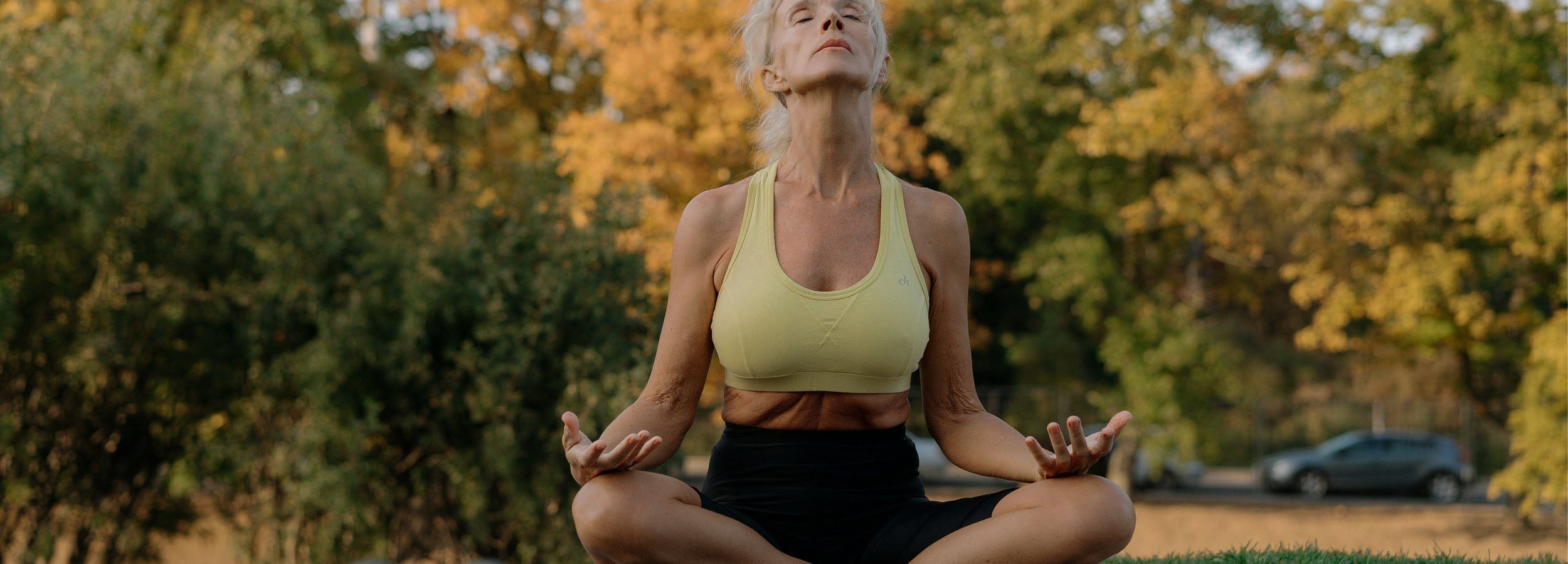
Staying active does not require intense workouts or athletic performance. For many people, consistency matters more than intensity. Walking, swimming, cycling, tai chi, gardening, light strength training, stretching, and daily movement breaks can all play an important role.
1. Prioritize Joint Health Without Avoiding Movement
Joint discomfort is common with aging, but avoiding movement completely can lead to more stiffness, weakness, and reduced confidence. The goal is not to stop using your joints. The goal is to use them wisely.
Healthy joint habits include:
- Choose low-impact activities when joints feel sensitive
- Warm up before exercise or longer walks
- Strengthen the muscles that support your joints
- Use proper posture and body mechanics
- Avoid staying in one position for too long
- Take rest breaks before symptoms become intense
- Use assistive devices or support products when appropriate
- Seek medical guidance for persistent or worsening symptoms
For a broader joint-health guide, read Simple Tips to Keep Your Joints Healthy.
2. Protect Your Knees for Lifelong Mobility
The knees play a central role in walking, stairs, standing, sitting, gardening, errands, travel, and exercise. As people age, knee comfort and stability often become important factors in staying active.
Ways to support knee health include:
- Strengthen the quadriceps, hamstrings, glutes, calves, and hip muscles
- Use low-impact activities such as walking, cycling, swimming, or water exercise
- Wear supportive shoes
- Use handrails on stairs when needed
- Avoid sudden increases in walking distance or exercise intensity
- Take breaks during long periods of standing
- Use knee support when extra stability or compression is helpful
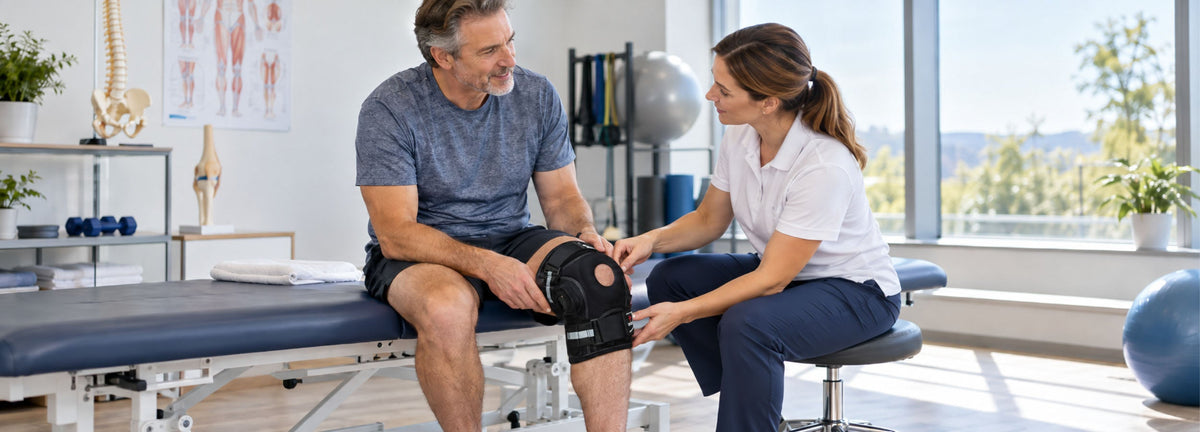
A properly fitted knee brace or sleeve may provide compression, patella-area support, warmth, and a more secure feeling during daily activities. It cannot cure arthritis or replace strengthening, but it may support comfort and confidence for walking, errands, light exercise, or active routines.
Explore NEENCA Professional Knee Braces & Sleeves. The NEENCA ACE-51 Professional Knee Brace combines compression, patella support, side stabilizers, and breathable materials for everyday knee support.
3. Maintain a Strong and Supported Back
Back comfort is essential for independence. The lower back supports standing, walking, lifting, household tasks, gardening, driving, and posture. Aging, prolonged sitting, weak core muscles, poor lifting mechanics, and repetitive bending can all contribute to back discomfort.
To support your back:
- Strengthen your core, hips, and glutes gradually
- Use proper lifting mechanics
- Avoid twisting while carrying objects
- Take breaks from long sitting or standing
- Use supportive seating when needed
- Keep frequently used items at easy-to-reach height
- Stretch gently and regularly
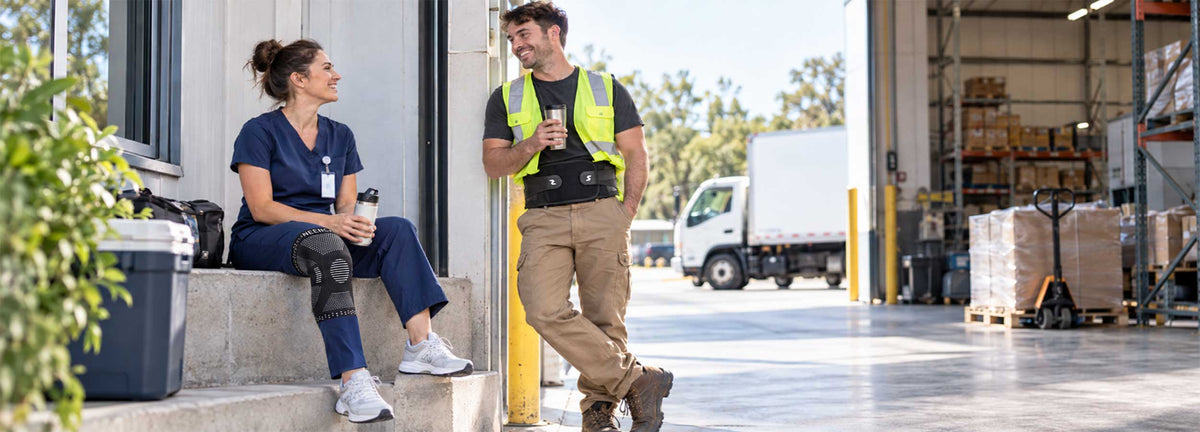
A back support belt may provide additional lower-back compression and support during tasks such as standing, lifting, housework, gardening, or work. It should not encourage unsafe lifting or replace strengthening and posture habits.
Explore NEENCA Back & Waist Support. The NEENCA HY006 Lower Back Brace features lumbar support and pulley compression for everyday comfort, lifting, standing, work, and daily activities.
4. Support Your Wrists and Hands for Daily Independence
Hands and wrists are essential for cooking, cleaning, writing, typing, driving, gardening, carrying bags, opening jars, using tools, and enjoying hobbies. As people age, wrist and hand comfort can affect independence more than many people realize.
Common wrist and hand stressors include:
- Typing or mouse use
- Phone or tablet use
- Gardening and tool handling
- Cooking and chopping
- Crafting, knitting, or sewing
- Driving
- Carrying groceries or bags
To protect your wrists and hands:
- Use larger grips or ergonomic tools
- Avoid prolonged tight gripping
- Take breaks from repetitive hand tasks
- Keep wrists in a neutral position when typing or driving
- Use both hands to carry heavier objects
- Consider wrist or thumb support for repetitive activities
The NEENCA HW003 Wrist and Thumb Support Brace is designed with thumb support, removable splints, adjustable compression, and breathable materials for everyday wrist and thumb stability. You can also explore the full NEENCA Wrist & Hand Support collection.
5. Keep Your Ankles and Feet Stable
Ankles and feet are the foundation for balance, walking, stairs, exercise, and fall prevention. As people age, footwear, ankle strength, balance, and lower-leg endurance become increasingly important.
Ways to support ankle and foot stability include:
- Wear supportive, well-fitting shoes
- Avoid walking in loose slippers or unstable footwear
- Practice balance exercises in a safe environment
- Strengthen calves and foot muscles gradually
- Use handrails when needed
- Choose even walking surfaces when possible
- Consider ankle support or compression socks when appropriate
Simple balance exercises, such as standing near a counter and shifting weight from one foot to the other, can help improve confidence. More advanced balance training should be done safely and, when needed, under professional guidance.
Explore NEENCA Ankle Braces & Joint Support and NEENCA Foot Products for lower-body support options.
6. Stay Active With Low-Impact Exercise
Low-impact exercise can help maintain endurance, strength, mobility, and confidence while reducing unnecessary stress on the joints. It is especially useful for older adults who want to stay active without high-impact strain.
Joint-friendly options include:
- Walking: simple, accessible, and easy to adjust
- Swimming: supports movement with less joint loading
- Water aerobics: useful for strength and endurance
- Cycling: supports cardiovascular fitness with lower impact
- Tai chi: supports balance, coordination, and controlled movement
- Yoga: may support flexibility and body awareness when modified appropriately
- Light resistance training: helps maintain muscle and independence
Start with an activity level you can repeat consistently. Increase duration or intensity gradually. If symptoms linger or worsen after activity, reduce the workload and ask a healthcare professional for guidance.
7. Improve Balance and Reduce Fall Risk
Falls are a major concern for older adults, and balance training is one of the most important parts of staying independent. Falls can be influenced by muscle weakness, poor vision, medications, clutter, footwear, dizziness, uneven surfaces, and reduced reaction time.
Fall-prevention habits include:
- Keep walkways clear of clutter
- Remove loose rugs or secure them properly
- Use non-slip mats in bathrooms
- Install handrails and grab bars when needed
- Improve lighting in hallways and stairs
- Wear supportive footwear
- Review medications with a healthcare professional if dizziness occurs
- Practice balance exercises safely
CDC’s STEADI initiative encourages older adults to speak with healthcare providers about fall risk, review medications, have vision checked, and improve home safety. If you have fallen before or feel unsteady, professional evaluation is important.
8. Build Strength to Support Independence
Muscle strength naturally changes with age, but strength training can help older adults maintain function, balance, confidence, and independence. Strength supports getting out of chairs, climbing stairs, carrying groceries, walking, and preventing falls.
Useful strength areas include:
- Legs and hips for walking and stairs
- Core and back for posture and lifting
- Calves and ankles for balance
- Shoulders and arms for carrying and daily tasks
- Hands and forearms for grip and independence
Begin with simple exercises such as sit-to-stands, wall push-ups, heel raises, resistance band rows, step-ups, and light carries. Progress slowly and use professional guidance if you have medical conditions, balance concerns, or pain with exercise.
9. Manage Joint Discomfort Responsibly
Chronic discomfort can make it harder to stay active, but pushing through symptoms without a plan is not the best strategy. A more responsible approach includes pacing, recovery, gentle mobility, and professional advice when symptoms persist.
Helpful comfort strategies may include:
- Use heat for stiffness when appropriate
- Use cold packs for temporary soreness or swelling after activity when appropriate
- Take rest breaks before discomfort becomes intense
- Use braces or compression support for specific activities
- Maintain hydration and balanced nutrition
- Adjust activity instead of stopping everything
- Ask a healthcare professional about persistent or worsening symptoms
A support product can help you feel more secure, but it should not be used to hide serious symptoms. Seek medical advice for swelling, instability, numbness, severe pain, or loss of function.
10. Make Your Home More Movement-Friendly
Independence is not only about your body. It is also about your environment. Small home modifications can reduce unnecessary joint stress and improve safety.
Helpful changes include:
- Keep frequently used items within easy reach
- Use a shower chair or grab bars when needed
- Choose chairs that are easier to stand up from
- Use non-slip mats
- Improve lighting
- Store heavy items at waist height
- Use long-handled tools for cleaning
- Keep a clear path through rooms
Assistive devices are not a sign of weakness. They are practical tools that help preserve energy, reduce strain, and support independence.
11. Prioritize Comfort Without Becoming Inactive
Comfort matters because it affects consistency. If walking hurts, people walk less. If standing is exhausting, they avoid activities. If wrists feel strained, they stop hobbies. The goal is to reduce barriers so activity feels more manageable.
Supportive comfort strategies may include:
- Breathable braces or sleeves for activity support
- Supportive footwear
- Compression socks for long standing or travel
- Ergonomic tools
- Movement breaks
- Balanced activity and rest
- Warm-ups before exercise
- Recovery after active days
NEENCA products are designed to support everyday comfort, stability, and movement confidence. Learn more about the brand’s support design on the Our Technology page.
12. Seek Professional Guidance When Needed
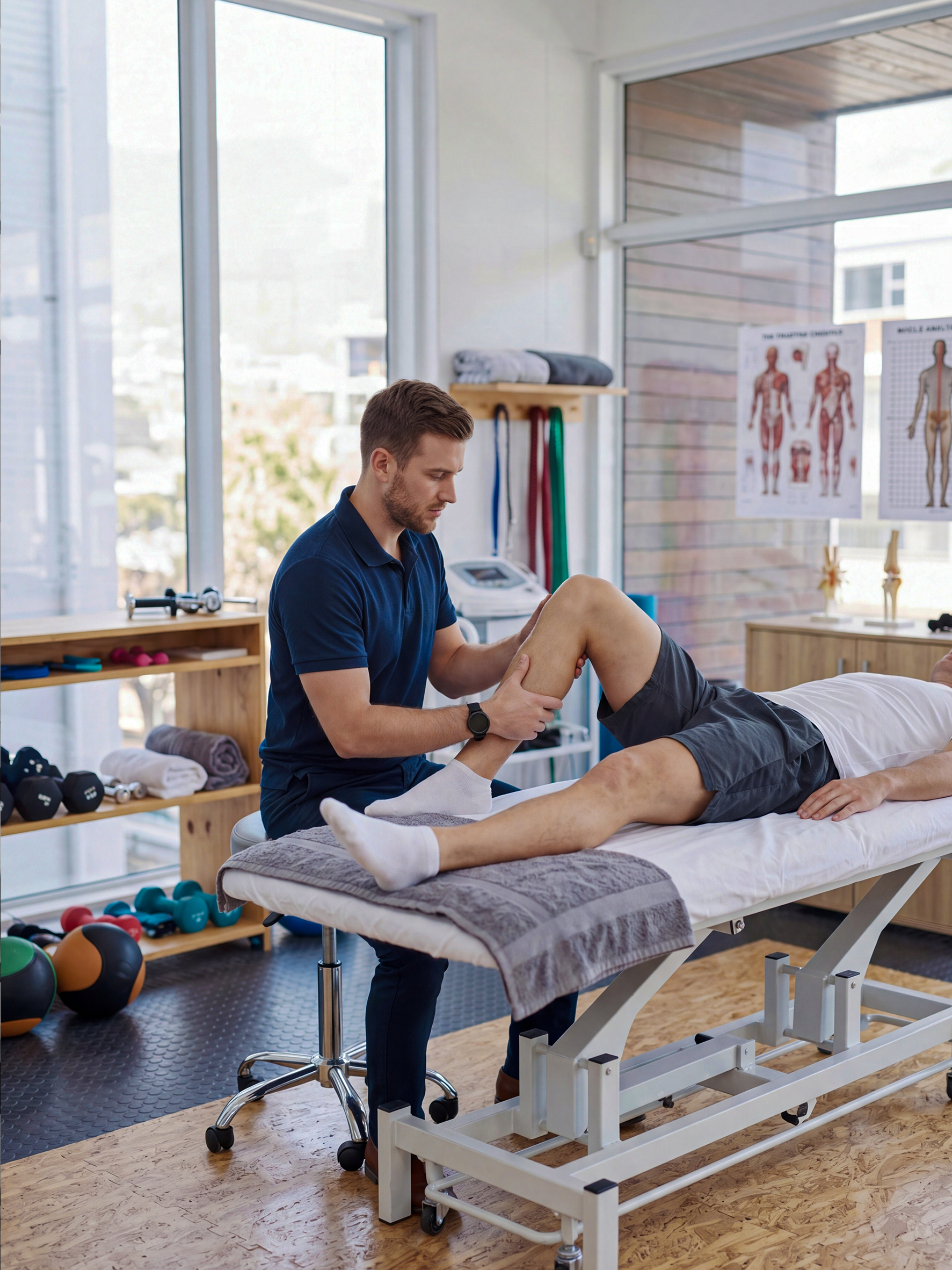
Aging well does not mean managing everything alone. A doctor, physical therapist, occupational therapist, certified trainer, or other qualified professional can help you choose safe exercises, adjust daily activities, evaluate pain, and reduce fall risk.
Seek professional guidance if you experience:
- Persistent or worsening pain
- Swelling that does not improve
- Numbness or tingling
- Weakness or loss of function
- Balance problems or falls
- Difficulty walking or climbing stairs
- Joint locking, catching, or giving way
- New symptoms after an injury
Early guidance often helps people stay active more safely and confidently.
Choosing Support Products for Healthy Aging
Support products should be matched to your needs and activities. The right product should feel comfortable, fit correctly, and support movement without causing numbness, tingling, or restriction.
| Support Need | Possible NEENCA Category | Common Use Scenarios |
|---|---|---|
| Knee support | Knee Braces & Sleeves | Walking, stairs, gardening, errands, exercise |
| Back support | Back & Waist Support | Standing, lifting, housework, daily activities |
| Wrist and hand support | Wrist & Hand Support | Typing, driving, gardening, crafting, daily tasks |
| Ankle support | Ankle Braces | Walking, balance, standing, activity support |
| Lower-leg support | Foot Products | Standing, walking, travel, lower-leg comfort |
For sizing help, visit the NEENCA Find Your Size guide before choosing a product.
Why Choose NEENCA?
NEENCA develops professional-grade support products designed for comfort, stability, and everyday movement. The product range includes knee braces, back supports, wrist and hand supports, ankle braces, compression socks, and lower-body support products.
NEENCA designs may include:
- Targeted compression
- Breathable materials
- Patella support in selected knee braces
- Side stabilizers in selected knee braces
- Adjustable straps and removable splints in selected wrist braces
- Lumbar support and pulley compression in selected back braces
- Low-profile designs for daily wear
- Quality-focused construction for repeated use
Learn more about product standards on Our Quality and brand values on Our Commitment.
Final Thoughts
Staying active and independent as you age is not about ignoring changes in your body. It is about responding wisely. Support your joints, build strength, improve balance, choose low-impact movement, reduce fall risks, recover well, and use supportive products when they help you move more confidently.
Aging may change how you move, but it does not have to remove the activities that matter to you. With the right habits and support, you can continue walking, working, traveling, gardening, exercising, and enjoying daily life with greater comfort and confidence.
To explore support options, visit NEENCA Best Sellers, Knee Braces & Sleeves, Back & Waist Support, Wrist & Hand Support, Ankle Braces, or Foot Products.
Frequently Asked Questions
How can I stay active as I get older?
Focus on regular low-impact movement, strength training, balance exercises, flexibility work, recovery, and joint-friendly habits. Walking, swimming, cycling, tai chi, water exercise, and light resistance training are common options.
What exercises are best for older adults?
Many older adults benefit from a combination of endurance, strength, balance, and flexibility exercises. Examples include walking, swimming, cycling, tai chi, sit-to-stands, heel raises, resistance band exercises, and gentle stretching.
How can I protect my knees as I age?
Strengthen the muscles around the knees and hips, choose low-impact exercise, wear supportive shoes, use stairs carefully, avoid sudden increases in activity, and consider a properly fitted knee brace when extra support is useful.
Can braces help older adults stay active?
Braces may provide compression, stability, warmth, and support during daily activities. They should fit correctly and be used as part of a broader routine that includes movement, strength, balance, and professional care when needed.
How can older adults reduce fall risk?
Improve strength and balance, remove home hazards, use proper lighting, wear supportive footwear, use handrails, review medications with a healthcare professional, and seek evaluation after falls or balance changes.
Is walking enough exercise for older adults?
Walking is excellent, but many people also benefit from strength training, balance exercises, and flexibility work. A complete routine supports mobility, independence, and fall prevention more effectively.
What should I do if joint pain keeps me from exercising?
Reduce intensity, choose lower-impact activities, use shorter sessions, consider water exercise, and ask a healthcare professional or physical therapist for guidance. Persistent or severe pain should be evaluated.
Are compression socks useful for older adults?
Compression socks may support lower-leg comfort during standing, walking, or travel. People with circulation problems, diabetes-related foot concerns, or significant swelling should ask a healthcare professional before using compression products.
How do I choose the right NEENCA product?
Choose based on the joint you want to support, your activity, comfort needs, and size. Use the NEENCA Find Your Size guide and review the relevant collection or product page before purchasing.
When should I seek professional help?
Seek help for persistent pain, swelling, numbness, weakness, falls, balance problems, difficulty walking, joint instability, or symptoms that interfere with daily activities.
Related NEENCA Resources
- How to Keep Your Knees Healthy
- Simple Tips to Keep Your Joints Healthy
- How to Keep Up with Your Kids and Grandkids with More Comfort
- Our Technology
- Find Your Size
- Professional Knee Braces & Sleeves
- Back & Waist Support
- Wrist & Hand Support
- Ankle Braces & Joint Support
- Foot & Lower-Leg Support
References
- CDC. Physical Activity Guidelines for Older Adults.
- National Institute on Aging. Three Types of Exercise Can Improve Your Health and Physical Ability.
- CDC. STEADI: Older Adult Fall Prevention.
- Mayo Clinic. Fitness Program: 5 Steps to Get Started.
- CDC. About Physical Activity and Arthritis.
- Mayo Clinic. Exercise Helps Ease Arthritis Pain and Stiffness.
- National Institute on Aging. Prevent Falls and Fractures.

Written by Wilson John


Leave a comment
This site is protected by hCaptcha and the hCaptcha Privacy Policy and Terms of Service apply.