


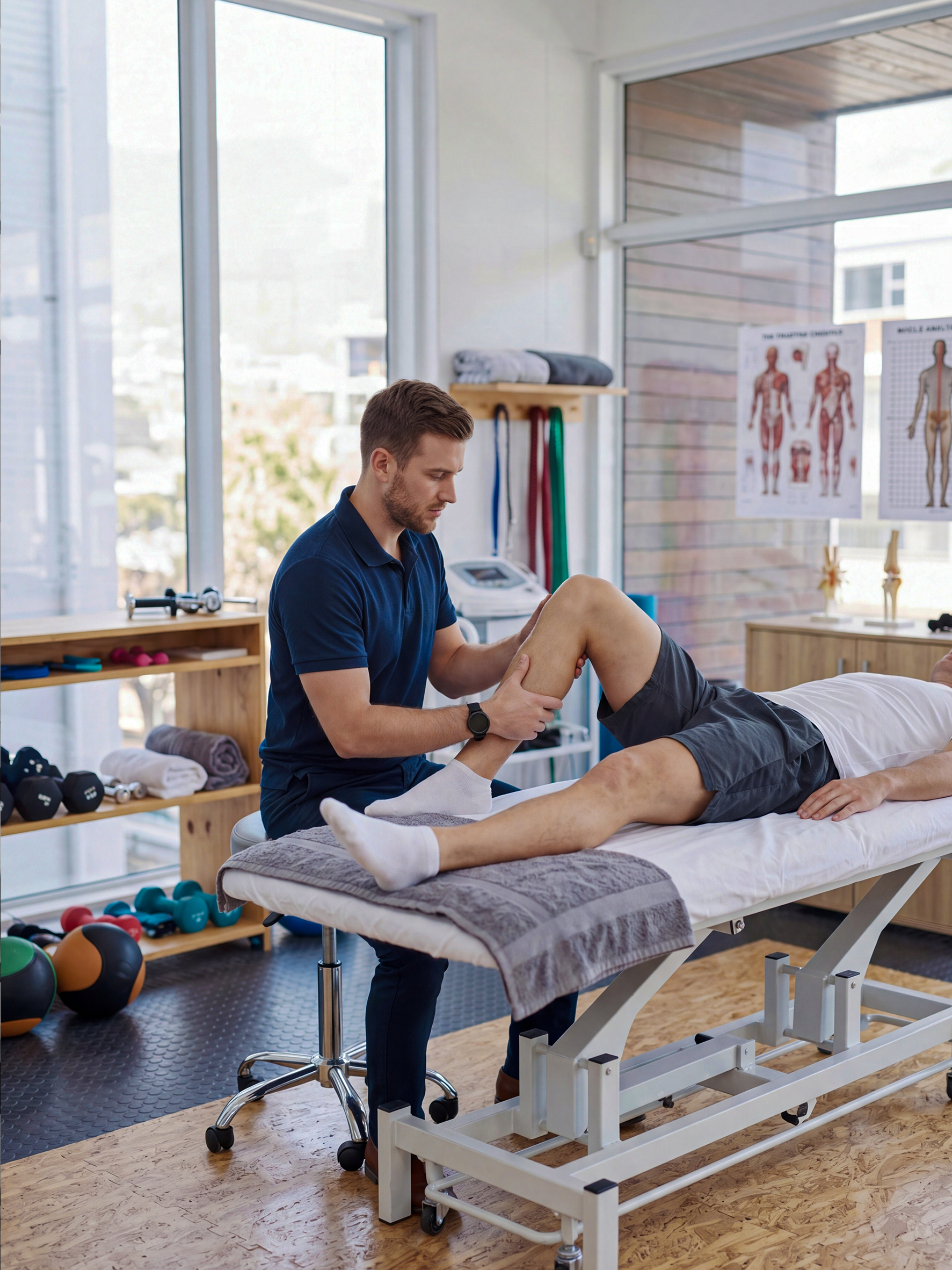



The Science Behind Compression Therapy: Support, Comfort & Recovery
Compression therapy uses controlled pressure to support circulation, joint stability, everyday comfort, and post-activity recovery. From compression socks and knee sleeves to wrist braces, ankle supports, and back braces, compression products are widely used by athletes, active adults, workers, travelers, and people looking for additional support during daily movement.
But how does compression actually work? Why do some people use compression products for swelling, stiffness, muscle recovery, or joint support? And how should you choose the right product for your needs?
This guide explains the science behind compression therapy in a practical, easy-to-understand way. You will learn how compression supports circulation, why fit matters, how different braces are used, and how NEENCA designs compression support products for comfort, stability, and confident movement.
This article is for general educational purposes only and is not a substitute for professional medical advice, diagnosis, or treatment. If you have persistent pain, significant swelling, circulation problems, numbness, diabetes-related foot concerns, a recent surgery, or a serious injury, consult a qualified healthcare professional before using compression products.
What Is Compression Therapy?
Compression therapy is the use of controlled external pressure on a specific part of the body. In medical settings, compression therapy may include compression stockings, bandages, sleeves, wraps, or pneumatic compression devices. In sports and everyday activity settings, compression may appear in products such as knee sleeves, ankle braces, wrist supports, elbow sleeves, back braces, and graduated compression socks.
The basic principle is simple: a compression product gently applies pressure around the target area. When properly fitted, that pressure can help support blood flow, limit excessive fluid buildup, provide a more secure feeling around the joint, and improve body awareness during movement.
Compression therapy is commonly discussed in relation to leg circulation and swelling. For example, Cleveland Clinic explains that compression therapy can improve circulation in the legs and help reduce swelling and discomfort. Mayo Clinic also notes that compression stockings press on the legs and help improve blood flow.
For consumer braces and sleeves, the goal is usually not to treat a medical condition directly. Instead, the goal is to provide practical support for everyday comfort, athletic activity, work, travel, and recovery routines.
How Compression Therapy Works
Compression therapy works through several overlapping mechanisms. The effect depends on the level of compression, the product design, the body area being supported, the user’s activity level, and whether the product is being used for medical, athletic, occupational, or everyday support.
1. Compression Supports Healthy Circulation
One of the best-known functions of compression is circulation support. When compression is applied around a limb, it can help encourage blood to move back toward the heart instead of pooling in the lower extremities. This is why compression socks and stockings are often used by people who stand for long periods, travel on long flights, or need additional lower-leg support.
Graduated compression products are designed to be tighter at one end and gradually less tight higher up the limb. For example, many compression socks apply firmer pressure around the ankle and slightly less pressure as they move up the calf. This design helps support upward blood flow through the legs.
For NEENCA products, this circulation-support principle is especially relevant to compression socks and lower-leg support products. A properly fitted compression sock may help the lower legs feel more supported during standing, walking, travel, work, and active recovery.
2. Compression May Help Manage Temporary Swelling
Swelling can occur when fluid accumulates in tissue after overuse, prolonged standing, travel, minor strain, or certain medical conditions. Compression can help limit excessive fluid accumulation by applying gentle external pressure around the area.
This is one reason compression socks are often discussed for lower-leg swelling and why braces or sleeves may be used after activity when a joint feels tired or mildly puffy. However, not all swelling is harmless. Sudden, severe, one-sided, painful, warm, or persistent swelling should be evaluated by a healthcare professional.
For product content and blog writing, it is safer and more accurate to describe compression as helping to support swelling management or support post-activity comfort, rather than claiming that a brace will cure swelling or resolve an injury.
3. Compression Provides a Secure, Supportive Fit
A compression brace or sleeve can create a more secure feeling around a joint. This is especially helpful during movement because the user may feel more aware of the supported area.
For example:
- A knee sleeve may help the knee feel more stable during walking, pickleball, gym training, or hiking.
- An ankle brace may help the ankle feel more supported during daily movement or light activity.
- A wrist brace may help maintain a more comfortable wrist position during typing, driving, or repetitive hand use.
- A back brace may provide supportive compression around the lower back during standing, lifting, or work tasks.
This supportive feeling does not mean the brace is “fixing” the joint. Rather, it provides external support that may help users move with more confidence when the product is properly selected and fitted.
4. Compression Supports Proprioception
Proprioception is your body’s awareness of position and movement. When you move, your muscles, joints, tendons, and ligaments constantly send information to the nervous system about where your body is in space.
Compression products may enhance that sense of body awareness by creating consistent sensory feedback around a joint or muscle group. This can be helpful during sports, exercise, work, and daily activities where positioning and control matter.
For example, a knee compression sleeve may help a player feel more aware of knee position during side-to-side movement. A wrist brace may help a computer user notice wrist alignment during repetitive tasks. An ankle sleeve may help someone feel more mindful of foot and ankle position during walking or exercise.
5. Compression Can Support Post-Activity Recovery
Athletes and active adults often use compression garments as part of a recovery routine. Research on compression garments and exercise recovery is mixed but generally suggests that compression may help some users with perceived soreness, fatigue, or recovery after intense exercise.
For example, meta-analyses and reviews have examined compression garments in relation to delayed-onset muscle soreness, perceived fatigue, and recovery of muscle function after exercise. Some findings support benefits for soreness and recovery markers, while other studies show smaller or inconsistent effects depending on the product, pressure level, timing, and activity type.
The practical takeaway is this: compression is not magic, but it can be a useful recovery-support tool when combined with sleep, hydration, nutrition, mobility work, and appropriate training load management.
Compression Therapy vs. Joint Bracing: What Is the Difference?
Compression therapy and joint bracing overlap, but they are not the same thing.
Compression therapy focuses primarily on controlled pressure. It is often used to support circulation, comfort, swelling management, or muscle recovery.
Joint bracing focuses more on structural support, positioning, alignment, or limiting certain types of movement. Braces may include compression fabric, straps, hinges, splints, gel pads, side stabilizers, or pulley systems.
Many NEENCA products combine both concepts. For example, a knee brace may use compression knit fabric for comfort and fit, while also adding patella support and side stabilizers for extra joint stability. A wrist brace may include compression straps and removable splints. A back brace may use compression panels and a pulley system to support the lower back.
Who May Benefit from Compression Support?
Compression products are used by many different groups of people. The right product depends on the body area, activity, support level, fit, and user goals.
Active Adults and Recreational Athletes
People who run, hike, play pickleball, lift weights, cycle, walk, or train in the gym may use compression products for support during activity and comfort afterward. A knee sleeve or ankle support can be part of a practical movement routine, especially when training volume increases.
People Who Stand for Long Periods
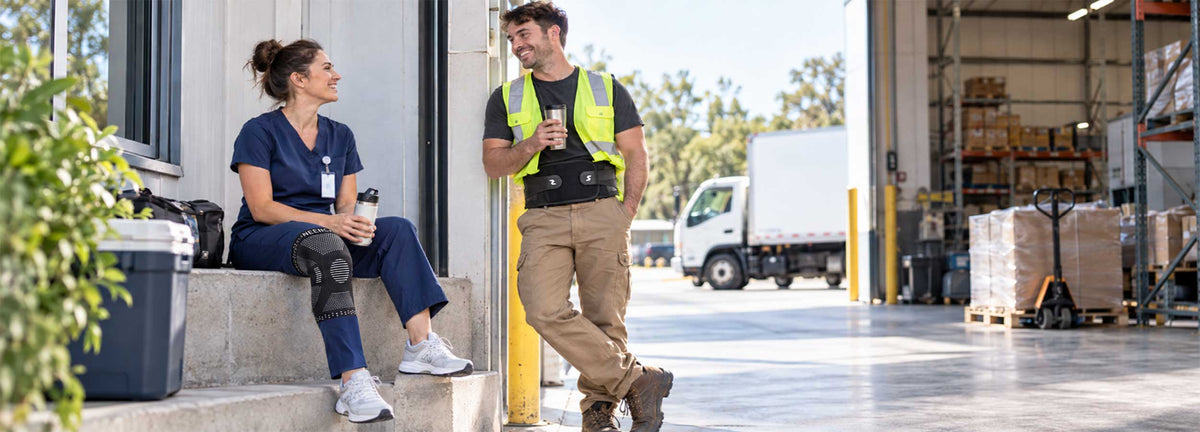
Nurses, teachers, retail workers, warehouse staff, restaurant workers, and other professionals often spend long hours standing or walking. Compression socks, ankle sleeves, knee support, or back support may help improve comfort during demanding workdays.
Office Workers and People with Repetitive Movements
Repetitive typing, mouse use, phone use, drawing, crafting, or tool handling can place stress on the wrist and hand. A properly fitted wrist brace may help support comfortable positioning during work or daily tasks.
Travelers
Long flights, road trips, and extended sitting can make the lower legs feel heavy or tired. Compression socks are commonly used by travelers to support lower-leg comfort and circulation during long periods of sitting.
Older Adults Looking for Everyday Support
As people age, they may notice changes in joint comfort, balance, mobility, and recovery time. Compression products can provide additional support for walking, light exercise, daily errands, and staying active.
People Returning to Activity
After time away from exercise, even moderate activity can feel more demanding. A compression sleeve or brace may provide additional support during the transition back to movement, but it should not replace gradual progression, strengthening, or professional guidance when needed.
Types of Compression Products and Their Uses
Knee Braces and Knee Sleeves
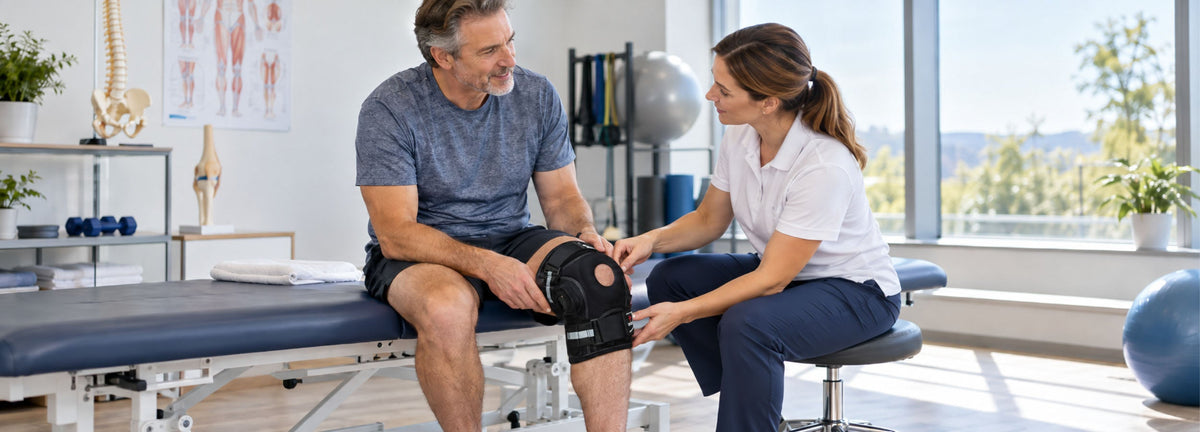
Knee braces and sleeves are among the most common compression support products. They may be used for walking, gym workouts, sports, hiking, work, and everyday movement.
A compression knee sleeve typically provides light-to-moderate support and a close-fitting feel. More structured knee braces may include patella gel pads, side stabilizers, hinges, straps, or open-patella designs.
Common knee support goals include:
- Everyday knee comfort
- Activity support for walking, hiking, gym training, or court sports
- Patella-area support
- Side-to-side stability
- Post-activity recovery support
- Additional confidence during movement
Explore the NEENCA Professional Knee Braces & Sleeves collection for knee support options designed for comfort, compression, stability, and active movement.
Ankle Braces and Ankle Compression Sleeves
Ankle braces and compression sleeves are designed to support the ankle during movement. Some are lightweight and flexible, while others include straps or more structured support.
Ankle compression can be useful for people who want a secure fit inside shoes during walking, gym sessions, light sports, or daily tasks. A low-profile ankle sleeve may be especially helpful when users need support without bulky materials.
Explore NEENCA Ankle Braces & Joint Support for breathable ankle support designed for natural movement.
Wrist Braces and Hand Support
Wrist braces may combine compression with splints, straps, thumb support, or ergonomic positioning. These products are often used by people who type, drive, use tools, garden, craft, lift, or perform repetitive hand movements.
For example, the NEENCA HW003 Wrist and Thumb Support Brace uses thumb support, removable splints, breathable materials, and adjustable compression for everyday wrist and thumb stability.
Browse the NEENCA Wrist & Hand Collection for wrist braces and hand support options.
Back Braces and Lumbar Support
Back braces are designed to provide support around the lower back and waist. Some products use elastic compression, while others add lumbar pads, pulley systems, stays, or adjustable straps.
Back support may be helpful during lifting, standing, warehouse work, household tasks, gardening, or long workdays. A back brace should support posture and comfort without encouraging unsafe lifting habits.
Explore the NEENCA Back & Waist Collection for lower-back support options. For more structured support, the NEENCA HY006 Lower Back Brace features pulley compression and lumbar support for everyday activities.
Compression Socks
Compression socks apply pressure around the lower leg and are commonly used for standing, walking, travel, work, and recovery routines. Some socks are graduated, meaning pressure is strongest near the ankle and gradually decreases up the leg.
The NEENCA Professional Compression Socks are designed with graduated compression, breathable knit fabric, and arch support for daily comfort and lower-leg support.
How to Choose the Right Compression Product
The best compression product is not always the strongest one. It is the one that fits correctly, matches your activity, and provides the level of support you actually need.
1. Choose the Right Body Area
Start with the joint or body area you want to support. Knee, ankle, wrist, back, and lower-leg compression products are designed differently. A product made for one area should not be used as a substitute for another.
2. Match the Product to Your Activity
For sports and exercise, choose a product that allows natural movement and stays secure during activity. For work, prioritize comfort, breathability, and all-day wearability. For sleep or recovery, choose products specifically designed for extended or nighttime use when appropriate.
3. Select the Right Support Level
Compression products may provide light, moderate, or firm support. More compression is not always better. Too much pressure may cause discomfort, numbness, tingling, or circulation issues. If a product feels painfully tight, it is not the right fit.
4. Measure Correctly
Proper sizing is essential. A brace that is too loose may slide or fail to support the joint. A brace that is too tight may cause discomfort or restrict circulation.
Before choosing a NEENCA knee brace, visit the NEENCA Find Your Size guide to measure correctly and choose the right fit.
5. Look for Breathable Materials
Breathable knit fabric, mesh panels, moisture-managing materials, and soft linings can improve comfort during long wear. This matters for sports, work, and daily use.
6. Consider Product-Specific Features
Depending on the product, useful features may include:
- Patella gel pad support for knee braces
- Side stabilizers for additional knee stability
- Adjustable straps for customized compression
- Metal splints for wrist stabilization
- Thumb support for wrist-and-thumb braces
- Pulley compression for back braces
- Graduated pressure for compression socks
How Tight Should Compression Feel?
A compression product should feel snug, supportive, and secure. It should not feel painful, cutting, numb, or restrictive.
A good fit should:
- Stay in place during normal movement
- Feel supportive without pinching
- Allow natural range of motion when the product is designed for activity
- Leave only mild temporary marks, not deep pressure marks
- Allow normal skin color and sensation
Remove or adjust the product if you experience:
- Numbness
- Tingling
- Coldness
- Color changes
- Increased swelling
- Sharp pain
- Skin irritation
If these symptoms persist after removing the product, seek medical advice.
Common Mistakes When Using Compression Products
Choosing a Smaller Size for “More Support”
Smaller does not mean better. A product that is too tight may restrict circulation, cause discomfort, or make movement harder. Always follow the sizing guide.
Wearing the Product for the Wrong Activity
A lightweight sleeve may be suitable for everyday support but may not be enough for high-stability needs. A rigid brace may be useful in some contexts but too restrictive for others.
Using a Brace to Ignore Symptoms
Compression products can support movement and comfort, but they should not be used to hide serious symptoms. Persistent swelling, instability, locking, severe pain, or inability to bear weight should be evaluated by a healthcare professional.
Over-Relying on Compression
Compression works best as part of a broader routine that may include appropriate exercise, strength training, mobility, rest, hydration, sleep, and professional care when needed.
Why NEENCA Designs Compression Support Products Differently
NEENCA focuses on professional-grade support products designed for comfort, stability, and confident everyday movement. Instead of treating compression as a single feature, NEENCA combines compression with product-specific support technologies.
Depending on the product category, NEENCA designs may include:
- Breathable compression knit materials
- Patella gel pad support
- Flexible side stabilizers
- Adjustable compression straps
- Removable wrist splints
- Lumbar support and pulley compression
- Graduated compression for lower-leg support
- Low-profile construction for everyday wear
Learn more about NEENCA’s approach to support design on the Our Technology page. You can also learn more about product standards and material checks on the Our Quality page.
Compression Therapy and Recovery: What to Expect
Compression may support recovery, but expectations should be realistic. A compression product is not a cure, and it cannot replace medical treatment, rehabilitation, surgery, or professional diagnosis when those are needed.
What compression may help with:
- Supporting circulation during movement or standing
- Providing a secure, comfortable fit around a joint
- Supporting post-activity recovery routines
- Improving awareness of joint position
- Helping manage temporary swelling or heaviness in some situations
What compression cannot do:
- Repair a torn ligament
- Heal a fracture
- Cure arthritis
- Replace physical therapy
- Guarantee pain relief
- Make an unstable joint safe for intense activity
This distinction is important for both user safety and responsible product communication.
When to Ask a Healthcare Professional
Speak with a doctor, physical therapist, athletic trainer, or qualified healthcare professional if you have:
- Severe or persistent pain
- Sudden swelling
- Warmth, redness, or significant tenderness
- Numbness or tingling
- Difficulty bearing weight
- A joint that locks, catches, or gives way
- Circulation problems
- Diabetes-related foot or skin concerns
- Recent surgery
- Known vascular conditions
Compression products are most helpful when they are used appropriately. If you are unsure whether compression is right for you, professional guidance is the safest choice.
Final Thoughts
Compression therapy is widely used because it is practical, versatile, and easy to incorporate into daily life. When properly fitted, compression products can support circulation, provide joint stability, improve comfort, and help active people maintain confident movement.
The key is choosing the right product for the right purpose. Knee braces, ankle sleeves, wrist supports, back braces, and compression socks all serve different roles. A product that works well for one person or activity may not be ideal for another.
If you are looking for supportive compression gear, explore NEENCA’s collections for knee braces, ankle supports, wrist and hand support, back braces, and foot and lower-leg support. For help choosing the right size, start with the Find Your Size guide or visit the NEENCA FAQs.
Frequently Asked Questions
What does compression therapy do?
Compression therapy applies controlled pressure to a body area. Depending on the product and use case, it may support circulation, help manage temporary swelling, provide a more stable feeling around a joint, and support comfort during activity or recovery routines.
Does compression therapy improve circulation?
Compression products, especially graduated compression socks and stockings, are commonly used to support blood flow in the legs. Medical-grade compression should be selected with professional guidance when used for circulation-related conditions.
Can compression help with swelling?
Compression may help support swelling management in some situations by applying gentle pressure to the area. However, sudden, severe, painful, warm, or persistent swelling should be evaluated by a healthcare professional.
Can compression products help with recovery?
Compression garments may support post-activity recovery for some users, especially when combined with sleep, hydration, nutrition, mobility, and appropriate training. Research results vary depending on garment type, pressure, timing, and exercise intensity.
How tight should a compression brace be?
A compression brace should feel snug and supportive without causing numbness, tingling, coldness, discoloration, or restricted circulation. If it feels painful or leaves deep pressure marks, it may be too tight.
Can I wear a compression brace all day?
Many compression products are designed for extended daily use when properly fitted. However, wear time depends on the product, activity, comfort level, and individual health factors. Remove the product if it causes discomfort or circulation symptoms.
Are compression braces the same as medical treatment?
No. Compression braces can provide support and comfort, but they are not a substitute for professional diagnosis, treatment, physical therapy, or medical care for injuries or chronic conditions.
Which NEENCA compression product should I choose?
Choose based on the body area and activity. For knee support, visit the NEENCA Knee Braces Collection. For wrist and hand support, visit the Wrist & Hand Collection. For lower back support, visit the Back & Waist Collection. For lower-leg support, consider compression socks or the Foot Products Collection.
When should I not use compression products without medical advice?
Ask a healthcare professional before using compression products if you have significant circulation problems, diabetes-related skin or foot concerns, severe swelling, recent surgery, blood clot concerns, unexplained pain, numbness, or a serious injury.
Related NEENCA Resources
- Our Technology
- Our Quality
- Find Your Size
- Professional Knee Braces & Sleeves
- Ankle Braces & Joint Support
- Wrist & Hand Support
- Back & Waist Support
- NEENCA ACE-51 Professional Knee Brace
- NEENCA HW003 Wrist and Thumb Support Brace
- NEENCA Professional Compression Socks
References
- Cleveland Clinic. Compression Therapy: Types and Benefits.
- Mayo Clinic. Compression Stockings.
- Mayo Clinic News Network. Tips for Using Compression Stockings.
- Hill J, Howatson G, van Someren K, Leeder J, Pedlar C. Compression garments and recovery from exercise-induced muscle damage: a meta-analysis.
- Dupuy O, Douzi W, Theurot D, Bosquet L, Dugué B. An evidence-based approach for choosing post-exercise recovery techniques to reduce markers of muscle damage, soreness, fatigue, and inflammation.
- Li X, et al. Effects of compression garments on muscle strength and delayed-onset muscle soreness.
- Kemker BP III, et al. Hip and Knee Bracing: Categorization, Treatment Algorithm, and Systematic Review.

Ecrit par Wilson John


Laisser un commentaire
Ce site est protégé par hCaptcha, et la Politique de confidentialité et les Conditions de service de hCaptcha s’appliquent.