


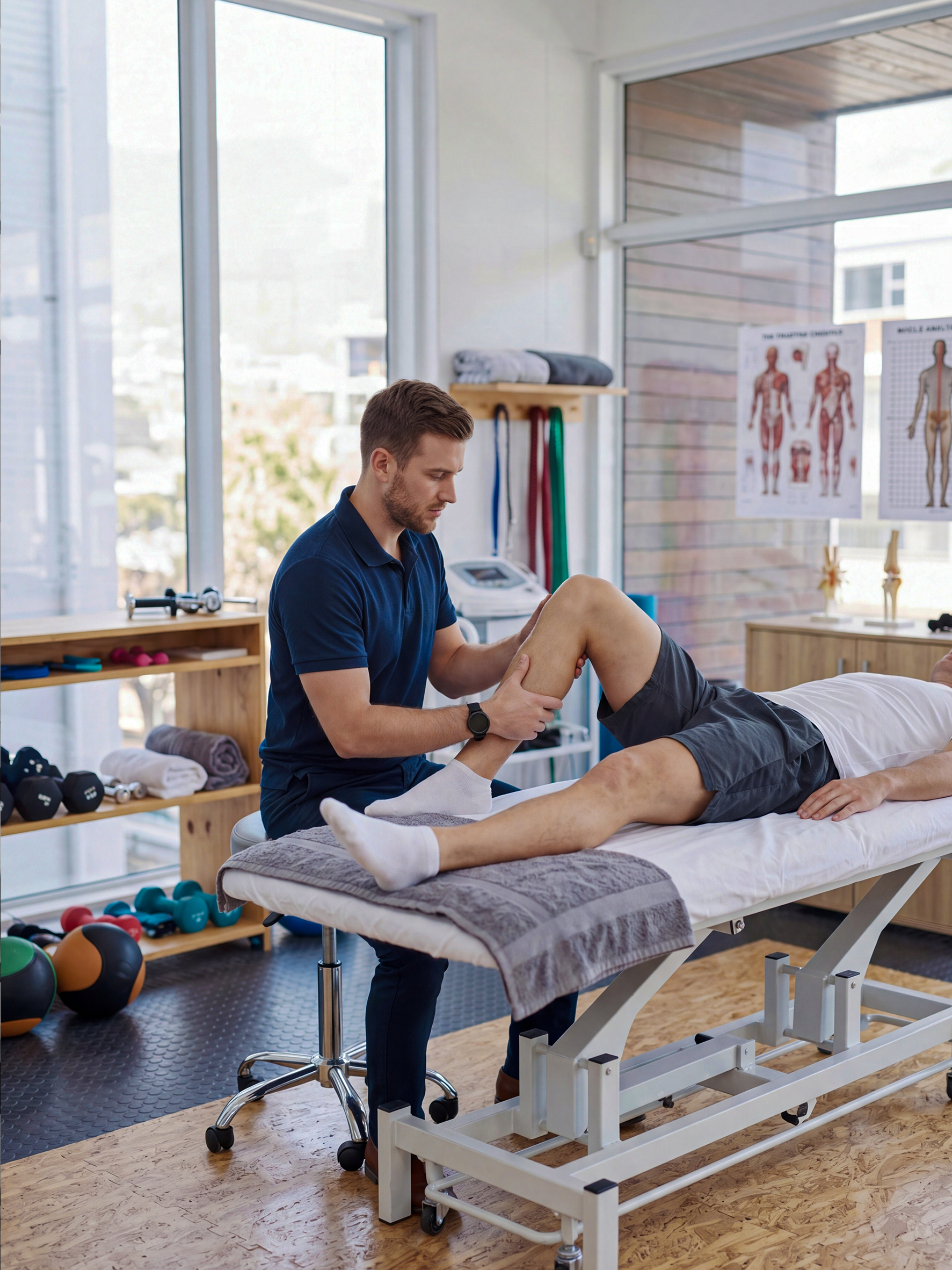



How to Choose a Knee Brace for Running
Running is one of the simplest ways to stay active, but every runner understands that consistency matters more than one single workout.
A missed training session because your knee feels uncomfortable can interrupt your routine, especially when increasing mileage, preparing for a race, returning after a break, or simply trying to stay active.
Choosing knee support for running, however, is not always straightforward.
Some runners prefer a lightweight compression sleeve that moves naturally with every stride. Others want additional stability during longer runs, uneven terrain, strength training, or higher-volume training weeks.
The goal is not to choose the strongest brace available.
The goal is to find enough support to feel confident while keeping the flexibility needed to run naturally.
This guide explains how to choose a knee brace for running, what features matter most, and how different support levels match different running routines.
This article is for general educational purposes only and is not a substitute for professional medical advice, diagnosis, or treatment. If you experience significant swelling, instability, locking, numbness, severe pain, or symptoms that affect normal movement, consult a qualified healthcare professional.
Do Runners Really Need a Knee Brace?
Not every runner needs knee support. Many runners maintain healthy movement through progressive training, strength exercises, proper footwear, recovery, and good running technique.
A knee brace may be considered when a runner wants additional comfort, compression, stability, or confidence during activity.
Common reasons runners explore knee support include:
- Wanting extra support during longer runs
- Feeling less confident when running downhill or on uneven surfaces
- Returning to running after time away
- Adding support during training sessions
- Looking for a more secure feeling during repetitive movement
A knee brace should complement a healthy training routine, not replace strength work, mobility, rest, and gradual progression.
Understanding the Three Main Types of Running Knee Support
The most important decision is choosing the right level of support. Knee support products generally fall into three categories: compression sleeves, stabilized knee braces, and hinged knee braces.
Compression Knee Sleeves: Lightweight Support and Flexibility
A compression knee sleeve is designed to provide a close, flexible fit around the knee. It usually focuses on compression, comfort, and freedom of movement.
Runners often choose sleeves because they offer:
- Lightweight construction
- Flexible movement
- A low-profile fit under running clothing
- Comfort during everyday activity
- Simple pull-on wear
A compression sleeve may be a good option for runners who want a supportive feeling without a more structured brace.
Stabilized Knee Braces: A Balance Between Support and Mobility
A stabilized knee brace adds more structure than a basic sleeve. These braces may include features such as side stabilizers, patella support, reinforced knit areas, adjustable straps, or anti-slip designs.
This type of brace is often chosen by runners who want:
- More support during longer training sessions
- A more secure feeling during movement
- Additional confidence on trails or uneven surfaces
- A balance between flexibility and stability
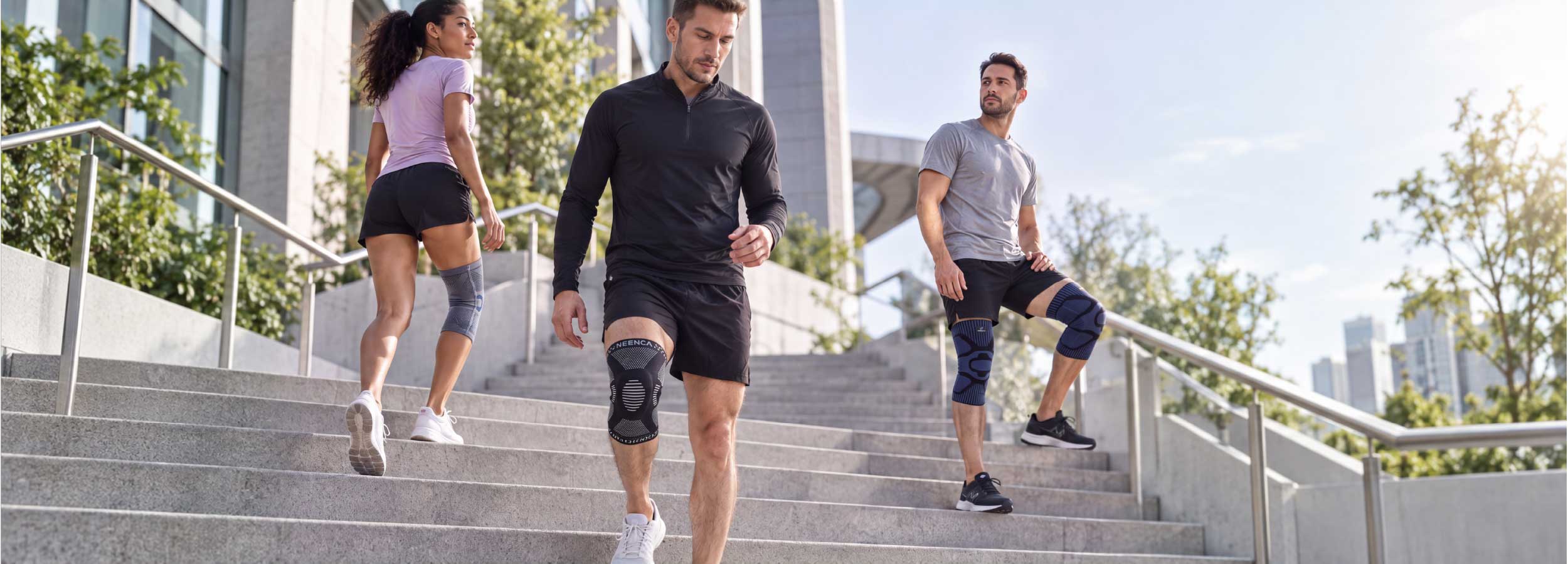
The NEENCA ACE-51 Professional Knee Brace is designed for runners who want compression, patella support, side stabilization, and breathable comfort.
Hinged Knee Braces: Higher Structural Support
Hinged knee braces include side hinge structures that provide a more supportive brace experience.
They may be considered when a runner needs:
- More noticeable side support
- A more structured brace design
- Support recommended by a healthcare professional
- Additional stability for specific situations
A hinged brace is not automatically better for every runner. More structure can also mean more weight, more bulk, and less flexibility.
How to Choose a Knee Brace Based on Your Running Style
Casual Runners
If you run for general fitness, health, or enjoyment, comfort is usually the priority.
A lightweight compression sleeve may be suitable if you want:
- Easy daily wear
- Flexible movement
- Minimal bulk
- Comfort during short and moderate runs
Distance Runners
Long-distance runners repeat the same movement thousands of times. Comfort and fit become increasingly important as distance increases.
Look for:
- A brace that stays in place
- Breathable materials
- A support level that does not restrict your stride
- A comfortable fit during longer sessions
Trail Runners
Trail running creates different demands because of uneven ground, elevation changes, and unpredictable footing.
Some runners prefer additional stability features because the knee and lower body must constantly adjust to changing surfaces.
Runners Returning After a Break
If you are returning to running after weeks, months, or years away, increasing training gradually is important.
A knee brace may provide additional confidence, but it should be combined with proper progression, strength training, and recovery.
Key Features to Look for in a Running Knee Brace
1. Secure Fit Without Restricting Movement
A running brace should stay in position without making your knee feel locked or restricted.
The right fit should allow:
- Natural knee bending
- Comfortable stride movement
- Normal running mechanics
- Secure positioning during activity
2. Breathable Materials
Running creates heat and sweat, especially during longer sessions. Breathable fabric helps improve comfort during extended wear.
3. Anti-Slip Design
A brace that constantly slides during a run becomes distracting. Proper sizing and anti-slip features help keep support where it belongs.
4. Lightweight Construction
Many runners prefer support that feels almost invisible. A brace should support movement, not become something you constantly notice.
5. Easy Maintenance
Runners often wear support products frequently. Materials that are easy to clean and maintain are important for long-term use.
How Tight Should a Running Knee Brace Be?
A knee brace should feel snug, secure, and supportive, but it should never feel painful or restrictive.
Signs of a good fit:
- The brace stays in place while running
- You can bend and straighten your knee naturally
- No sharp pressure points appear
- No numbness or tingling occurs
- You can wear it comfortably throughout your activity
A brace that is too loose may slide down. A brace that is too tight may become uncomfortable during longer runs.
Always measure carefully before buying. Use the NEENCA Find Your Size guide to choose the correct size.
Common Mistakes When Buying a Running Knee Brace
Choosing the Strongest Brace Instead of the Right Brace
More support is not always better. The ideal brace matches your activity and support needs.
Ignoring Comfort
A brace only helps if you are willing to wear it consistently. Comfort, breathability, and mobility matter.
Trying a New Brace on Race Day
Always test a new knee brace during training first. Make adjustments before important runs.
Using a Brace Instead of Building Strength
A brace is one part of a complete running routine. Strength training, mobility, recovery, and proper progression remain important.
How to Test a Knee Brace Before Running
- Wear the brace during a short walk.
- Try stairs or light movement.
- Complete a short easy run.
- Check whether it stays in place.
- Adjust sizing if necessary.
The best running brace is the one that feels natural enough to become part of your routine.
NEENCA Knee Support Options for Runners
NEENCA offers different support options depending on your running style and comfort preferences.
- NEENCA ACE-51 Professional Knee Brace — stabilized support with compression, patella support, and side stabilizers.
- NEENCA ACE-50 Knee Compression Sleeve — lightweight compression for flexible daily movement.
- NEENCA Knee Braces Collection — compare different support levels.
Still unsure which knee support is right for your running routine? Try the NEENCA Knee Brace Finder to quickly identify the right support direction before choosing a product.
Final Thoughts
Choosing a knee brace for running is about finding the right balance between support and freedom of movement.
A casual runner may prefer lightweight compression. A runner who trains more frequently may prefer additional stability. A runner with specific support requirements may need a more structured option.
The right knee brace should help you feel confident, comfortable, and ready to keep moving.
Frequently Asked Questions
Should I wear a knee brace while running?
Some runners choose knee support for additional comfort, compression, or confidence during activity. Whether you need one depends on your individual routine and support needs.
What is better for running: a knee sleeve or knee brace?
A sleeve provides more flexible compression, while a stabilized brace provides additional support features. The better option depends on whether you prioritize lightweight movement or extra stability.
Can a knee brace make running uncomfortable?
Yes, if the brace is the wrong size, wrong style, or incorrectly positioned. A properly fitted brace should support movement rather than interfere with it.
How do I know if my running knee brace fits correctly?
The brace should stay in place, allow natural movement, and not cause numbness, tingling, pain, or excessive pressure.
References
-
van Gent RN, Siem D, van Middelkoop M, et al. Incidence and Determinants of Lower Extremity Running Injuries in Long Distance Runners: A Systematic Review.
British Journal of Sports Medicine.
https://bjsm.bmj.com/content/41/8/469
-
American College of Sports Medicine (ACSM). Physical Activity and Exercise Guidelines for Maintaining Health and Performance.
ACSM provides evidence-based recommendations related to exercise training, injury prevention, and safe progression for active individuals.
https://www.ovid.com/jnls/acsm-healthfitness
-
Journal of Orthopaedic & Sports Physical Therapy (JOSPT). Research on Running Mechanics, Lower Extremity Injuries, and Evidence-Based Rehabilitation.
JOSPT publishes peer-reviewed research focused on sports medicine, biomechanics, physical therapy, and movement-related conditions.
https://www.jospt.org/toc/jospt/55
-
International Journal of Sports Physical Therapy (IJSPT). Evidence-Based Approaches for Sports Injury Prevention and Lower Extremity Rehabilitation.
IJSPT publishes clinical research related to athletic performance, rehabilitation, and movement science.
https://ijspt.scholasticahq.com/article/running-gait-kinetics
-
National Library of Medicine — PubMed. Biomedical Literature Database for Sports Medicine and Orthopedic Research.
PubMed provides access to peer-reviewed research covering running injuries, knee biomechanics, rehabilitation, and exercise science.
https://pubmed.ncbi.nlm.nih.gov/40860448/


اترك تعليقًا
This site is protected by hCaptcha and the hCaptcha Privacy Policy and Terms of Service apply.