




Pickleball Knee Support: How to Protect Your Knees on the Court
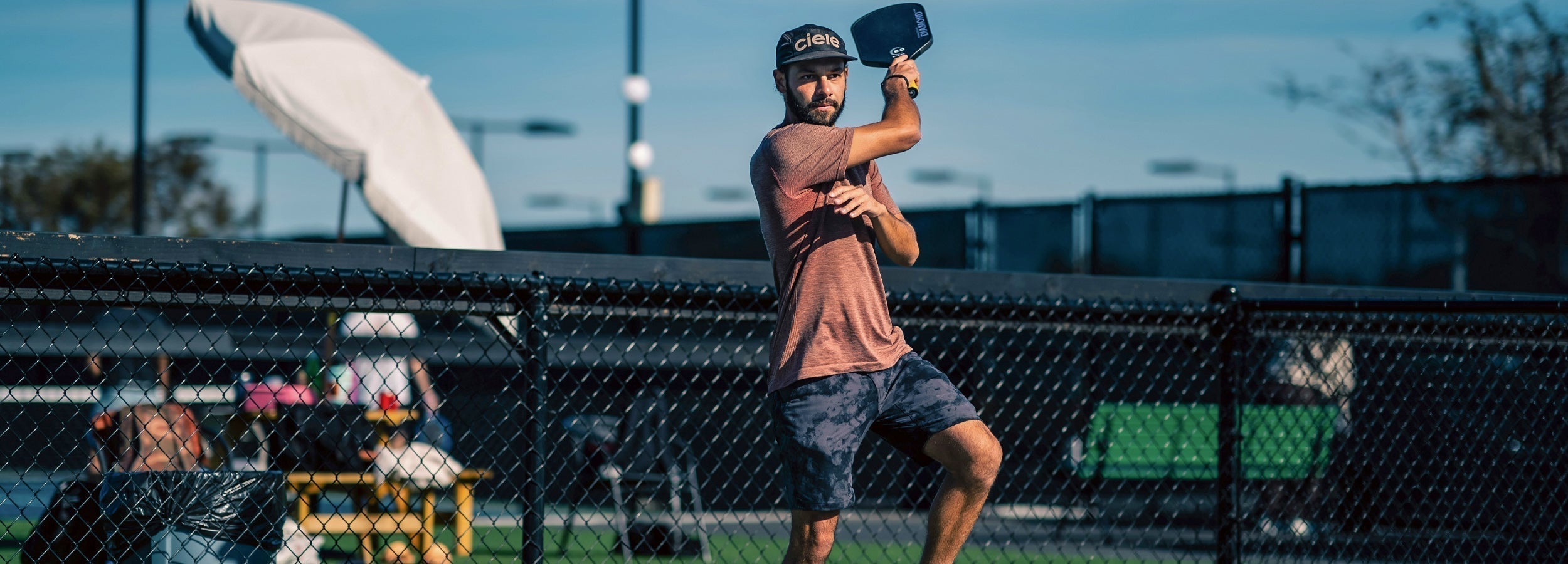
Pickleball is easy to love, but your knees may need a little more convincing. The sport is social, approachable, and fun at almost any age. But quick side-to-side shuffles, sudden stops, repeated lunges, and frequent changes in direction can place more stress on the knee joint than many new players expect.
The good news: most recreational players can take practical steps to support knee comfort on the court. A better warm-up, stronger legs and hips, proper court shoes, smarter recovery, and the right knee support can all help you keep playing with more confidence.
This article is for general educational purposes only and is not a substitute for professional medical advice, diagnosis, or treatment. If you have persistent knee pain, swelling, instability, locking, or difficulty bearing weight, consult a qualified healthcare professional.
Why So Many Adults Are Discovering Pickleball
For many people, pickleball starts the same way.
A neighbor invites you to join a game. A friend from the gym will not stop talking about it. Or maybe you see a few courts packed with players and decide to give it a try yourself.
At first, it seems simple enough. The court is smaller than a tennis court, the paddle is lightweight, and the game feels approachable—even if you have not played sports in years.
Then a few games later, you notice something.
Your knees are talking back.
Not necessarily an injury. Just a little soreness. A bit of stiffness getting out of the car. Maybe a reminder that your joints do not recover quite as quickly as they used to.
If that sounds familiar, you are far from alone.
Pickleball is not just popular—it has grown at a remarkable pace. According to participation reports cited in the original article, more than 24 million Americans played pickleball in 2025, with participation increasing by more than 170% in three years. Older adults continue to make up a significant portion of the player base, drawn by the sport’s social atmosphere and relatively accessible learning curve.
That combination is part of pickleball’s appeal. It provides movement, social interaction, and friendly competition without the high-impact demands of sports like basketball or long-distance running.
But lower impact does not mean no impact.
Why Pickleball Can Stress the Knees
One reason pickleball feels so accessible is that it does not require sprinting the length of a football field or jumping repeatedly like basketball. Instead, it relies on dozens of smaller movements that happen again and again during a match.
Common knee-stressing movements in pickleball include:
- Quick side-to-side shuffles
- Sudden stops and starts
- Reaching and lunging for low shots
- Frequent changes in direction
- Short forward bursts toward the kitchen line
- Backpedaling or awkward recovery steps
- Rotating while the foot is planted
Individually, these movements may not seem demanding. Over the course of a long match, however, they can add up quickly—especially for players who are returning to sports after years away from regular athletic activity.
A nationwide study published in Sports Medicine Open found that the knee was among the most commonly reported injury locations in pickleball players. Researchers identified strains, sprains, and meniscus-related issues as recurring concerns, particularly among recreational athletes. Another 10-year analysis of pickleball-related orthopedic injuries reported that approximately 91% of injuries occurred in adults aged 50 and older, highlighting the importance of joint health as participation continues to rise.
Those numbers are not meant to discourage anyone from playing. In fact, they point to something more useful: many players can take practical steps to reduce avoidable stress and continue enjoying the game for years to come.
Why Knees Often Become the First Concern
The knee is located between the hip and the ankle. When the hip lacks mobility, the ankle lacks control, or the foot does not move well on the court surface, the knee often absorbs extra stress.
During pickleball, your knees may have to manage:
- Deceleration: slowing down quickly after moving toward the ball.
- Lateral movement: pushing side to side across the court.
- Rotation: turning to reach or return a shot.
- Flexion: bending repeatedly for low balls near the kitchen.
- Impact: repeated foot strikes on hard court surfaces.
For a healthy, well-conditioned player, these movements may be manageable. For someone who is new to the sport, returning after a long break, playing multiple times per week, or already dealing with knee stiffness, they can become noticeable.
Common Knee Warning Signs Pickleball Players Should Watch
Some post-game soreness can be normal, especially when you are new to the sport or have recently increased your playing time. But not every knee signal should be ignored.
Pay attention to symptoms such as:
- Knee soreness that lasts more than 48 hours
- Swelling after a match
- Sharp pain during lunges, pivots, or side shuffles
- A feeling that the knee may give way
- Locking, catching, or clicking with pain
- Difficulty bending or straightening the knee
- Pain that gets worse from week to week
If you notice swelling, instability, locking, or worsening pain, stop treating it as ordinary soreness and seek professional guidance.
Small Habits That Can Make a Big Difference
Ask experienced pickleball players what keeps them on the court year after year, and you will hear many of the same answers. The habits are not complicated, but they do need to be consistent.
Warm Up Before You Play
A few minutes of dynamic movement before a game can help prepare your muscles and joints for activity. Walking from the parking lot to the court is not the same as warming up.
Try a simple 5–8 minute warm-up before your first game:
- Easy walk or light jog around the court
- Leg swings forward and backward
- Side steps or light lateral shuffles
- Walking lunges or short reverse lunges
- Calf raises
- Gentle bodyweight squats
- Practice split steps and small court movements
The goal is not to get tired before the match. The goal is to prepare your body for the movements you are about to repeat.
Build Strength Around the Knee
Strong quadriceps, hamstrings, glutes, and calves help absorb force and support stability during play. The knee does not work alone; it depends on the entire lower body.
Useful strength exercises for pickleball players include:
- Step-ups: build single-leg control for court movement.
- Glute bridges: help support hip stability.
- Calf raises: support lower-leg control and push-off.
- Wall sits: build quad endurance without complex movement.
- Side steps with a resistance band: train hip and lateral control.
- Single-leg balance: improves stability during reaching and recovery steps.
Research and injury-prevention guidance consistently emphasize lower-body strength and balance training as important tools for maintaining joint function and reducing avoidable injury risk in active adults.
Wear Proper Court Shoes
Many new players show up in running or walking shoes. That is understandable, but those shoes are not always designed for the way pickleball players move.
Running shoes are mainly built for forward motion. Pickleball requires lateral movement, rapid stopping, and quick changes in direction. Court shoes are typically designed to provide better side-to-side support, grip, and stability on hard court surfaces.
When choosing pickleball shoes, look for:
- Good lateral support
- A stable sole
- Comfortable cushioning
- Secure heel fit
- Reliable traction for court surfaces
Proper shoes cannot guarantee that your knees will never feel sore, but they can help your lower body move more efficiently on the court.
Improve Footwork Instead of Reaching for Every Ball
One common cause of knee stress is reaching too far instead of taking one or two extra adjustment steps. When the foot plants and the body twists or lunges at the same time, the knee may take unnecessary rotational stress.
Better footwork can help you avoid awkward positions. Focus on:
- Taking smaller adjustment steps
- Keeping your feet active between shots
- Avoiding deep lunges when you are off balance
- Turning your hips and feet together instead of twisting only through the knee
- Practicing controlled movement toward and away from the kitchen line
You do not need professional-level footwork to protect your knees. You simply need to avoid making every shot a last-second reach.
Respect Recovery
One of the most common mistakes new players make is playing too much, too soon. When you finally find a sport you genuinely enjoy, it is easy to want to play every day.
Your enthusiasm may be ready for that schedule.
Your knees might not be.
Give your body time to adapt. If you are new to pickleball or returning after a long break, consider starting with shorter sessions and rest days between play. Increase frequency gradually rather than jumping straight into multiple long matches per week.
After playing, support recovery with:
- Light walking after the match
- Gentle stretching for calves, quads, hamstrings, and hips
- Hydration
- Enough sleep
- A rest day when soreness lingers
When Extra Knee Support Makes Sense
Many pickleball players choose to wear a knee brace not because they are injured, but because they appreciate the added sense of support during long matches or frequent play.
This is especially common among:
- Players returning to sports after a long break
- Adults experiencing age-related changes in joint comfort
- Players with a history of knee discomfort
- People who play multiple times each week
- Players who feel more confident with compression and support
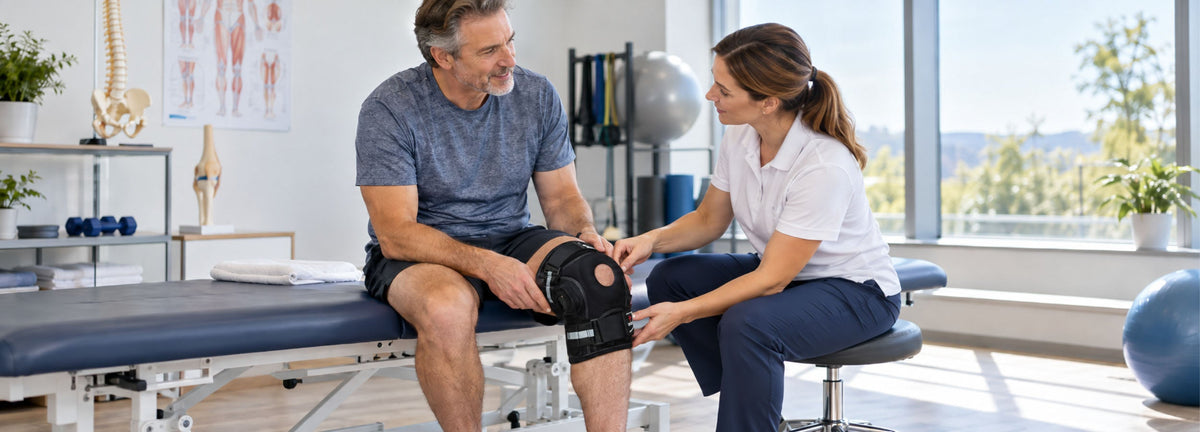
A knee brace or compression sleeve may help provide a more secure, supportive feel during court movement. It may also improve body awareness around the knee, which some players find helpful during side shuffles and sudden stops.
However, a knee brace should not be used to hide serious symptoms. If you have swelling, instability, sharp pain, or locking, consult a healthcare professional before continuing to play.
Choosing the Right Knee Support for Pickleball
The best knee support for pickleball is usually comfortable, breathable, low-profile, and stable enough for lateral movement. It should support the knee without making it hard to bend, shuffle, or move naturally.
Useful features may include:
- Compression fit: helps create a secure feel around the knee.
- Patella support: supports the area around the kneecap.
- Side stabilizers: add structure during side-to-side movement.
- Breathable knit fabric: supports comfort during longer play.
- Non-slip design: helps the brace stay in place while moving.
- Full mobility: allows bending, lunging, and shuffling without unnecessary restriction.
NEENCA knee braces are designed to provide comfortable compression, patella support, side stability, and breathable comfort for active movement. For many recreational pickleball players, a supportive compression knee sleeve can be a practical option for regular play.
Explore the NEENCA Professional Knee Braces & Sleeves collection to compare knee support options. If you want compression, patella support, and side stability in one design, the NEENCA ACE-51 Professional Knee Brace is designed for breathable comfort and everyday movement support. You can also learn more about NEENCA’s support features on the Our Technology page.
Before choosing a brace, use the NEENCA Find Your Size guide to measure correctly. A brace that is too loose may slide during play, while one that is too tight may affect comfort or circulation.
Simple Knee-Friendly Pickleball Routine
If you want a simple routine to follow, start here:
Before Playing
- Warm up for 5–8 minutes.
- Practice light side shuffles and split steps.
- Check your shoes and brace fit if wearing one.
- Start the first game at a controlled pace.
During Play
- Use small adjustment steps instead of overreaching.
- Avoid twisting sharply on a planted foot.
- Take breaks between games when needed.
- Stop if you feel sharp pain, swelling, or instability.
After Playing
- Walk for a few minutes to cool down.
- Stretch calves, quads, hamstrings, and hips.
- Hydrate and refuel.
- Rest if soreness lasts longer than expected.
Play for the Long Run
One of the best things about pickleball is that it does not require you to be a professional athlete. People start playing in their 40s, 50s, 60s, and beyond. They play to stay active, spend time with friends, challenge themselves, and have fun.
Taking care of your knees is not about avoiding activity. It is about making sure you can keep enjoying it.
The real goal is not simply getting through today’s match. It is being ready for the next one.
With better warm-ups, stronger lower-body support, proper shoes, smarter recovery, and the right knee support when needed, many recreational players can continue enjoying pickleball with more comfort and confidence.
Frequently Asked Questions
Is pickleball bad for your knees?
Pickleball is generally considered lower impact than many running and jumping sports, but it can still stress the knees. Quick lateral movements, lunges, sudden stops, and repeated direction changes can be demanding, especially for new players or adults returning to sport after a long break.
Why do my knees hurt after pickleball?
Knee soreness after pickleball may come from repeated shuffling, lunging, stopping, pivoting, or playing longer than your body is ready for. Poor footwear, limited warm-up, weak hips or legs, and too much playing frequency can also contribute. Persistent pain, swelling, locking, or instability should be evaluated by a healthcare professional.
Should I wear a knee brace for pickleball?
A knee brace may be helpful if you want additional compression, support, or confidence during play. Many recreational players wear knee support during long matches or frequent play. However, a brace should not be used as a substitute for medical care if you have significant pain, swelling, or instability.
What type of knee brace is best for pickleball?
Many pickleball players prefer a breathable, low-profile compression knee brace that allows natural movement while providing support around the knee. Features such as patella support, flexible side stabilizers, and a non-slip fit can be useful for court movement.
Can court shoes help protect my knees?
Proper court shoes can support more stable movement during pickleball. Unlike running shoes, court shoes are designed for lateral movement, stopping, and changes in direction. Better footwear may help reduce unnecessary stress caused by slipping, unstable foot placement, or poor side-to-side support.
How should I warm up before pickleball?
A good pickleball warm-up should include dynamic movement such as walking, light jogging, side shuffles, leg swings, calf raises, gentle squats, and practice split steps. The goal is to prepare your body for court movement before the first serve.
How often should beginners play pickleball?
Beginners should increase playing frequency gradually. Starting with shorter sessions and rest days between play can help your knees and lower body adapt. If soreness continues into the next session or worsens over time, reduce frequency and focus on recovery.
When should I see a doctor for pickleball knee pain?
Seek medical advice if you experience swelling, sharp pain, locking, catching, instability, difficulty bearing weight, or pain that continues to worsen. These signs may indicate something more than ordinary post-game soreness.
Related NEENCA Resources
- Professional Knee Braces & Sleeves
- NEENCA ACE-51 Professional Knee Brace
- Find Your Size
- Our Technology
- How Long Should You Wear a Knee Brace?
- How to Keep Your Knees Healthy
References
- Sports & Fitness Industry Association (SFIA). Topline Participation Report.
- The Dink Pickleball. Report: 24 Million Americans Are Now Playing Pickleball, Up 171% in Just 3 Years.
- Owoeye O.B.A., Yemm T., Blechle R., Wayne M. Understanding Injury Patterns and Predictors in Pickleball Players: A Nationwide Study of 1,758 Participants. Sports Medicine Open, 2025.
- Tobin J., Abbasi T., Nguyen J., Dunn P., Cashin I., Chung M. Rising Orthopedic Injuries in Pickleball: Insights from a 10-Year National Study. AOAO, 2025.
- Towson Orthopaedic Associates. Most Common Pickleball Injuries (And How to Prevent Them).
- Innovations Physio. Pickleball Injury Prevention Guide.

Written by Wilson John


Leave a comment
Este site está protegido pela Política de privacidade da hCaptcha e da hCaptcha e aplicam-se os Termos de serviço das mesmas.