


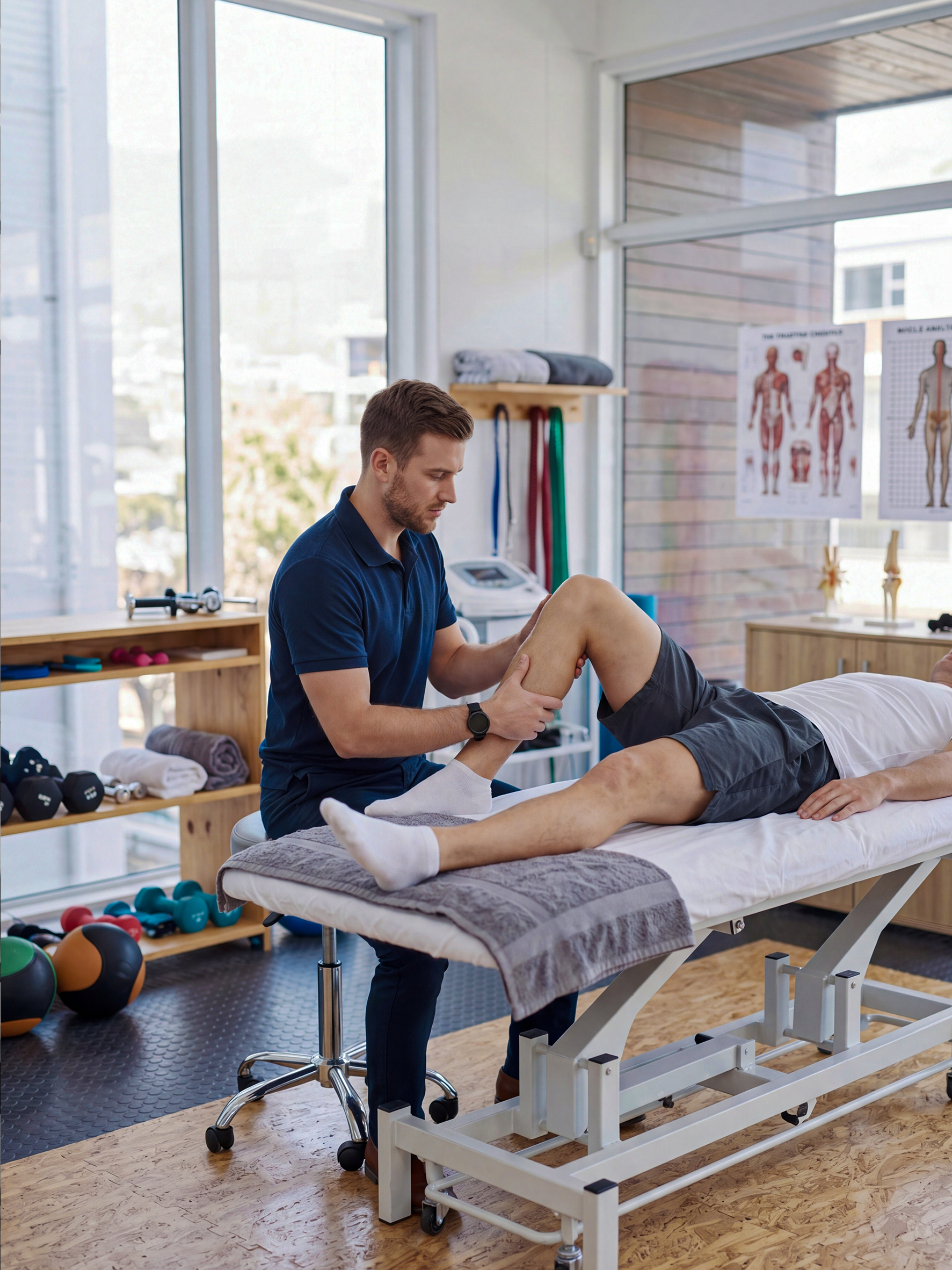



Simple Tips to Keep Your Joints Healthy
Healthy joints help you walk, lift, bend, exercise, work, and enjoy daily life with more confidence. While no single habit can guarantee lifelong joint health, small daily choices can make a meaningful difference in how your joints feel and function over time.
Exercise is one of the most important foundations of joint health, but it is not the only one. Movement, strength, posture, body weight, recovery, nutrition, sleep, supportive equipment, and smart activity planning all work together.
This guide explains simple, practical tips to help keep your joints healthy, mobile, and supported during everyday activities and active lifestyles.
This article is for general educational purposes only and is not a substitute for professional medical advice, diagnosis, or treatment. If you have persistent joint pain, swelling, instability, numbness, loss of motion, or symptoms that interfere with daily life, consult a qualified healthcare professional.
Why Joint Health Matters
Your joints connect bones and allow movement. Knees, ankles, hips, wrists, shoulders, elbows, hands, and the spine all depend on a combination of cartilage, ligaments, tendons, muscles, and surrounding soft tissues to function well.
Over time, joints may feel stiff or uncomfortable due to aging, repetitive movement, heavy workloads, sports, lack of activity, previous injuries, or conditions such as osteoarthritis or rheumatoid arthritis. While some factors cannot be fully controlled, many daily habits can help support joint function and reduce unnecessary strain.
Joint health is not only about avoiding discomfort. It is also about maintaining independence, staying active, preserving strength, and continuing the activities you care about.
1. Keep Moving
Many people reduce movement when their joints feel uncomfortable because they worry activity will make things worse. In some situations, rest is necessary. But for many people, appropriate movement is one of the most helpful habits for joint health.
Movement helps joints stay flexible, supports circulation, strengthens the muscles around joints, and may reduce stiffness. The body is designed to move, and joints often feel better when activity is consistent, gradual, and appropriate for the person.
Joint-friendly ways to move include:
- Walking
- Cycling
- Swimming
- Water exercise
- Tai chi
- Yoga or gentle stretching
- Light gardening
- Low-impact fitness classes
CDC recommends joint-friendly physical activities that place low stress on the joints, such as brisk walking, cycling, light gardening, dancing, tai chi, swimming, and water exercises.
2. Protect Your Joints During Daily Activities
Joint protection means using your body in ways that reduce unnecessary stress. This is especially important for people with arthritis, physically demanding jobs, repetitive tasks, or older joints that feel more sensitive than they used to.
Useful joint protection habits include:
- Pay attention to pain and fatigue signals
- Avoid forcing movements that repeatedly irritate a joint
- Use proper posture and body mechanics
- Balance activity with rest
- Use assistive devices or supportive equipment when needed
- Maintain a healthy body weight when appropriate
- Use larger, stronger joints instead of overloading small joints
For example, carry groceries with both hands or use a cart instead of gripping heavy bags with your fingers. Sit while preparing food if standing bothers your knees or back. Use long-handled tools for cleaning to avoid repeated bending. These small adjustments can reduce daily joint strain.
For a deeper guide, read Joint Protection Tips for Arthritis.
3. Maintain a Healthy Weight When Appropriate
Weight-bearing joints such as the knees, hips, ankles, and feet carry significant load during walking, stairs, standing, and exercise. Extra body weight can increase stress on these joints, especially during repetitive daily movement.
Even small, sustainable changes may help reduce load on weight-bearing joints. CDC notes that weight management can help reduce arthritis-related pain and disability for adults with overweight or obesity.
Healthy weight management is not about extreme dieting. It is about long-term habits that support overall health, such as:
- Choosing joint-friendly physical activity
- Building strength gradually
- Eating balanced meals
- Improving sleep consistency
- Working with a healthcare professional if needed
If weight loss is appropriate for you, a gradual approach is safer and more sustainable than aggressive short-term methods.
4. Choose Low-Impact Exercises
Low-impact exercise can help maintain fitness while reducing stress on the joints compared with high-impact activities. This does not mean low-impact exercise is easy or ineffective. It simply means the movement places less pounding force on the body.
Mayo Clinic recommends low-impact options such as stationary or recumbent bicycling, elliptical trainers, and water exercise for people with arthritis because these activities are easier on the joints.
Good low-impact options include:
- Walking on even surfaces
- Swimming
- Water aerobics
- Cycling
- Elliptical training
- Tai chi
- Yoga or Pilates with appropriate modifications
- Hiking on moderate terrain
The best exercise is the one you can do consistently without causing symptoms that linger or worsen. If discomfort increases significantly after activity, reduce intensity, duration, or frequency.
5. Strengthen the Muscles Around Your Joints
Strong muscles help support joints. When the muscles around a joint are weak, the joint may absorb more stress during movement. Strength training can help improve stability, control, posture, and daily function.
Important muscle groups for joint support include:
- Knees: quadriceps, hamstrings, glutes, calves, and hip muscles
- Hips: glutes, hip flexors, hip abductors, and core muscles
- Back: core, glutes, spinal stabilizers, and hip muscles
- Shoulders: rotator cuff, upper back, and chest muscles
- Wrists and hands: forearm, grip, and hand muscles
Strength exercises do not need to be extreme. Bodyweight movements, resistance bands, light dumbbells, machines, or supervised programs can all be useful. The key is good form, gradual progression, and enough recovery.
Examples of joint-friendly strengthening exercises may include:
- Chair squats
- Step-ups
- Glute bridges
- Wall push-ups
- Resistance band rows
- Calf raises
- Side steps with a band
- Core stability exercises
If you are new to strength training or have joint disease, a physical therapist or qualified trainer can help you choose safe exercises.
6. Try Range-of-Motion Exercises
Range-of-motion exercises move a joint through its comfortable available movement. These exercises can help maintain flexibility and reduce stiffness, especially after sleeping, sitting, or staying in one position for too long.
Range-of-motion exercises may include:
- Gentle knee bends and extensions
- Ankle circles
- Shoulder rolls
- Wrist circles
- Finger bends and extensions
- Neck turns within a comfortable range
- Hip circles or gentle leg swings
For people with arthritis, range-of-motion work should usually be gentle, controlled, and pain-aware. Mayo Clinic notes that hand exercises may be recommended to improve flexibility and range of motion for people with arthritis.
A simple habit is to move stiff joints gently for a few minutes in the morning and after long periods of sitting.
7. Use Proper Posture and Body Mechanics
Posture affects how force is distributed through your joints. Poor posture can increase stress on the neck, shoulders, back, hips, knees, and wrists over time.
Helpful posture and body mechanics habits include:
- Keep screens near eye level during desk work
- Keep elbows relaxed and close to the body when typing
- Avoid rounding the back while lifting
- Bend at the hips and knees instead of only the spine
- Hold objects close to the body when carrying
- Avoid twisting while lifting
- Use supportive footwear for long walking or standing
- Change positions regularly instead of staying still for hours
Small posture changes are often easier to maintain than dramatic corrections. Start with the positions you use most often: your desk setup, driving posture, sleeping position, and lifting habits.
8. Eat in a Way That Supports Overall Joint Health
Nutrition cannot “cure” joint problems, but a balanced diet can support overall health, energy, body weight, muscle maintenance, and bone health. Many joint-health recommendations emphasize nutrient-dense foods and patterns such as the Mediterranean-style diet.
Foods commonly included in joint-friendly eating patterns include:
- Vegetables and fruits
- Whole grains
- Beans and lentils
- Nuts and seeds
- Fish rich in omega-3 fatty acids
- Olive oil
- Lean protein sources
- Low-fat or fortified dairy alternatives when appropriate
Rather than focusing on one “superfood,” aim for a consistent pattern that supports a healthy weight, muscle recovery, and general wellness.
9. Prioritize Calcium and Vitamin D for Bone Health
Joint health and bone health are connected. Strong bones help support movement, posture, balance, and overall function. Calcium is important for bone structure, and vitamin D helps the body absorb calcium.
Many people can get calcium and vitamin D through food, sunlight exposure, and fortified products, but some people may need supplementation. Because individual needs vary, speak with a healthcare professional before starting supplements, especially if you have kidney disease, take medications, or have a known deficiency.
Food sources that may support bone health include:
- Dairy products or fortified dairy alternatives
- Fortified cereals or juices
- Leafy greens
- Canned fish with bones, such as sardines or salmon
- Egg yolks
- Fatty fish
Supplementation should be individualized. More is not always better.
10. Avoid Smoking and Support Bone Health
Smoking is associated with multiple health risks, including effects on bone health and healing. Research has linked tobacco smoking with lower bone mass and increased vulnerability to osteoporosis. Smoking may also affect circulation and tissue recovery.
If you smoke, quitting is one of the most meaningful steps you can take for long-term health. If quitting feels difficult, ask a healthcare professional about evidence-based support options.
11. Respect Recovery and Sleep
Joint health is not only about what you do during activity. Recovery matters too. Muscles, tendons, and joints need time to adapt to training and daily stress.
Supportive recovery habits include:
- Getting enough sleep
- Alternating harder activity days with easier days
- Staying hydrated
- Using gentle mobility work after long sitting
- Taking rest breaks during repetitive tasks
- Adjusting activity if soreness keeps building
A practical rule: if a joint feels significantly worse after activity and does not settle, reduce the workload and seek professional guidance if symptoms persist.
12. Use Supportive Products When They Fit the Activity
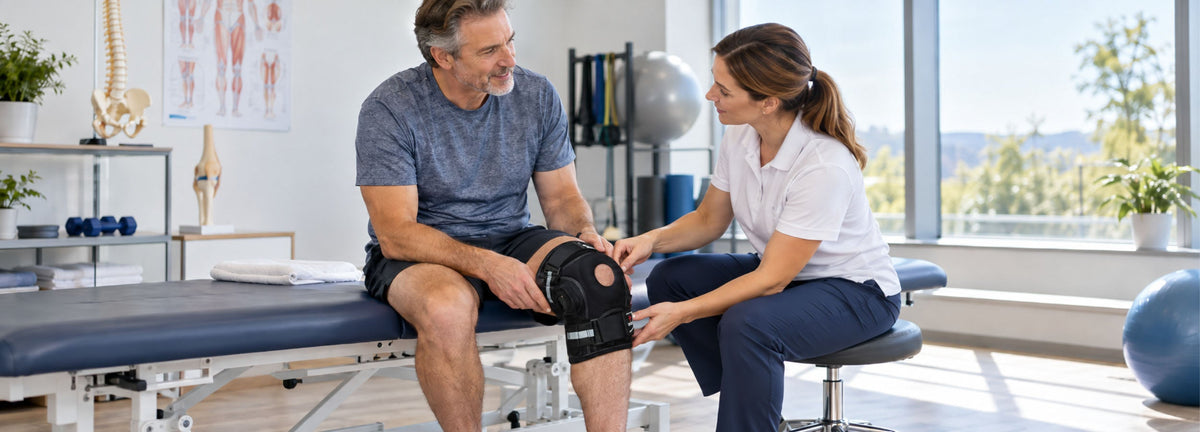
Support products such as knee braces, wrist braces, ankle supports, back braces, and compression socks may help some people feel more comfortable and confident during daily movement. They are not a replacement for healthy habits, exercise, or medical care, but they can be part of a practical joint-support routine.
Knee Support
If you want additional knee support for walking, workouts, pickleball, hiking, work, or everyday activities, explore the NEENCA Professional Knee Braces & Sleeves collection. The NEENCA ACE-51 Professional Knee Brace combines compression, patella support, side stabilizers, and breathable comfort.
Ankle Support
For ankle support during walking, activity, or daily movement, visit the NEENCA Ankle Braces & Joint Support collection.
Wrist and Hand Support
For typing, driving, gardening, crafting, or repetitive wrist and thumb use, explore the NEENCA Wrist & Hand Support collection. The NEENCA HW003 Wrist and Thumb Support Brace is designed for everyday wrist and thumb stability with adjustable compression and removable splints.
Back Support
For standing, lifting, work, and daily lower-back support, explore the NEENCA Back & Waist Support collection. The NEENCA HY006 Lower Back Brace includes lumbar support and pulley compression.
Lower-Leg and Foot Support
For standing, walking, travel, or lower-leg support, explore NEENCA Foot Products and compression socks.
Before choosing a brace, use the NEENCA Find Your Size guide to measure correctly.
13. Know When to Get Professional Help
Joint discomfort is common, but some symptoms should not be ignored. Seek medical advice if you experience:
- Severe or persistent joint pain
- Sudden swelling
- Warmth, redness, or tenderness around a joint
- Instability or a joint that gives way
- Locking, catching, or loss of motion
- Numbness or tingling
- Difficulty bearing weight
- Symptoms after a fall or injury
- Pain that interferes with sleep or normal activity
Early guidance from a doctor, physical therapist, occupational therapist, or athletic trainer can help you choose safe movement strategies and avoid unnecessary delays.
Final Thoughts
Keeping your joints healthy does not require a perfect routine. It requires consistent habits that support movement, strength, mobility, posture, recovery, and everyday comfort.
Keep moving, choose low-impact exercise, build strength, protect your joints during daily tasks, maintain a healthy weight when appropriate, eat in a balanced way, support bone health, avoid smoking, and use supportive products when they fit your needs.
NEENCA designs professional-grade support products for people who want to stay active, comfortable, and confident during everyday movement. To learn more, visit Our Technology, explore NEENCA Best Sellers, or review the NEENCA FAQs.
Frequently Asked Questions
What is the best way to keep joints healthy?
The best approach is a combination of regular joint-friendly movement, strength training, range-of-motion exercises, healthy weight management when appropriate, good posture, recovery, and smart joint protection habits.
Is exercise good for joint health?
Yes, appropriate exercise can help maintain mobility, reduce stiffness, strengthen muscles around joints, and support overall function. Low-impact activities are often easier on the joints.
What exercises are easiest on the joints?
Walking, cycling, swimming, water exercise, tai chi, yoga, elliptical training, and light gardening are examples of joint-friendly activities that place lower stress on the joints.
How can I strengthen joints?
You do not strengthen joints directly; you strengthen the muscles around them. Exercises for the legs, hips, core, back, shoulders, and arms can help support joint stability and movement control.
Can losing weight help joint health?
For people with overweight or obesity, weight management may reduce stress on weight-bearing joints such as the knees, hips, ankles, and feet. Even small changes may help some people feel more comfortable during movement.
Do braces help keep joints healthy?
Braces can provide support, compression, stability, and comfort during activity, but they do not replace exercise, strength training, recovery, or medical care when needed. The right brace depends on the joint, activity, fit, and support level.
How often should I move if I sit all day?
A practical goal is to change position or move briefly every 30 to 60 minutes. Short movement breaks can help reduce stiffness from prolonged sitting.
Do calcium and vitamin D help joints?
Calcium and vitamin D support bone health, which is important for overall movement and function. They do not directly cure joint problems. Ask a healthcare professional before starting supplements.
What foods support joint health?
A balanced eating pattern with vegetables, fruits, whole grains, lean protein, fish, nuts, seeds, and healthy fats can support overall health, body weight, and recovery. A Mediterranean-style pattern is often recommended for general wellness.
When should I see a doctor for joint pain?
See a healthcare professional if joint pain is severe, persistent, worsening, associated with swelling or redness, causes instability, limits motion, or interferes with normal activities.
Related NEENCA Resources
- How to Keep Your Knees Healthy
- Joint Protection Tips for Arthritis
- How Long Should You Wear a Knee Brace?
- Our Technology
- Find Your Size
- Professional Knee Braces & Sleeves
- Ankle Braces & Joint Support
- Wrist & Hand Support
- Back & Waist Support
- Foot & Lower-Leg Support
References
- CDC. About Physical Activity and Arthritis.
- CDC. Osteoarthritis: What You Can Do.
- Mayo Clinic. Exercise Helps Ease Arthritis Pain and Stiffness.
- Mayo Clinic. Joint Protection for People with Hand Arthritis.
- Mayo Clinic. Hand Exercises for People with Arthritis.
- Arthritis Foundation. How Hard Should You Work Out? The Two-Hour Pain Rule.
- Hospital for Special Surgery. Assistive Devices for Arthritis of the Hands.
- Al-Bashaireh AM, et al. The Effect of Tobacco Smoking on Bone Mass.
- Voulgaridou G, et al. Vitamin D and Calcium in Osteoporosis, and the Role of Bone Turnover Markers.

Scritto da Xu Wenqiang



Commenta
Questo sito è protetto da hCaptcha e applica le Norme sulla privacy e i Termini di servizio di hCaptcha.