


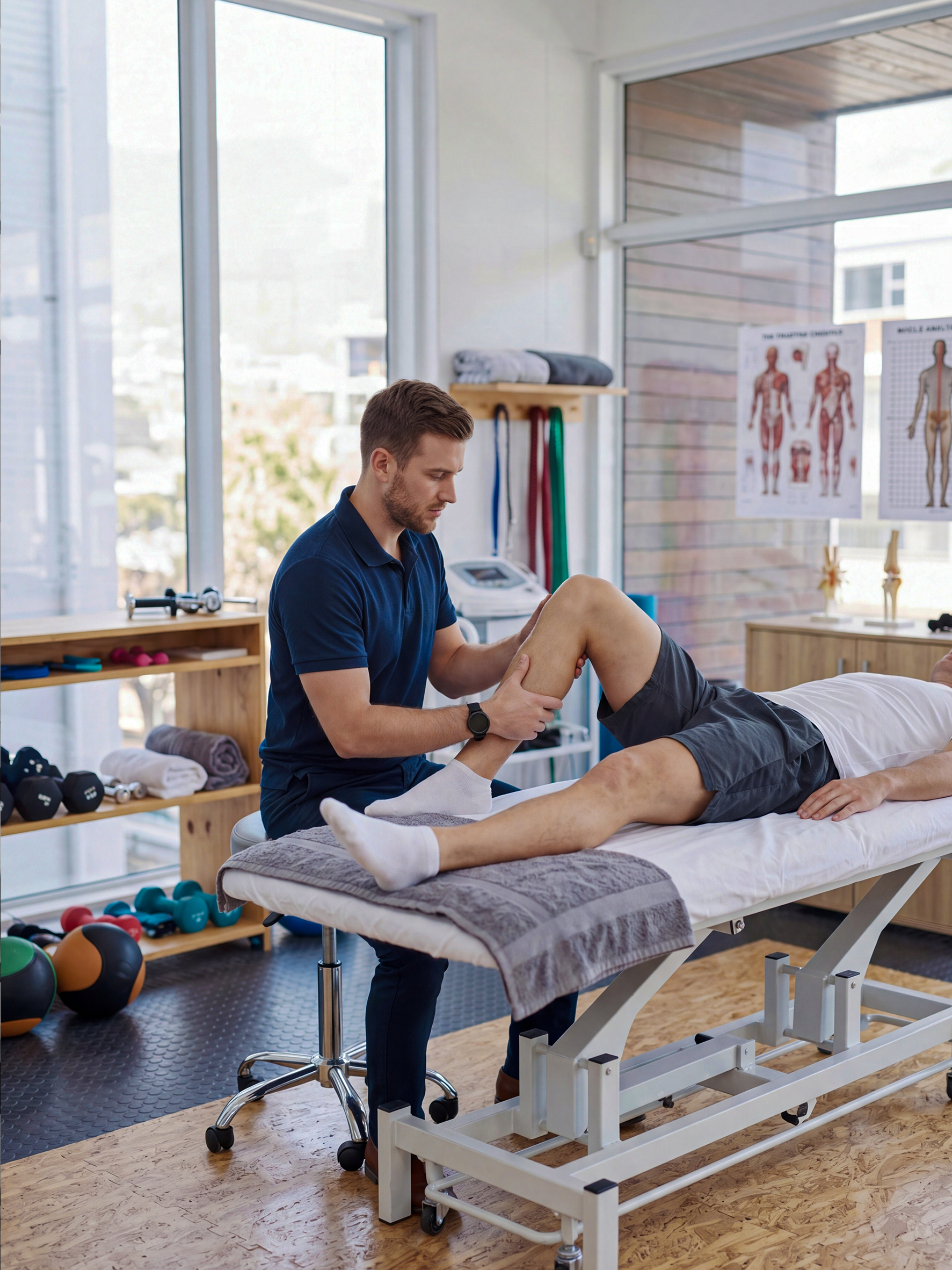


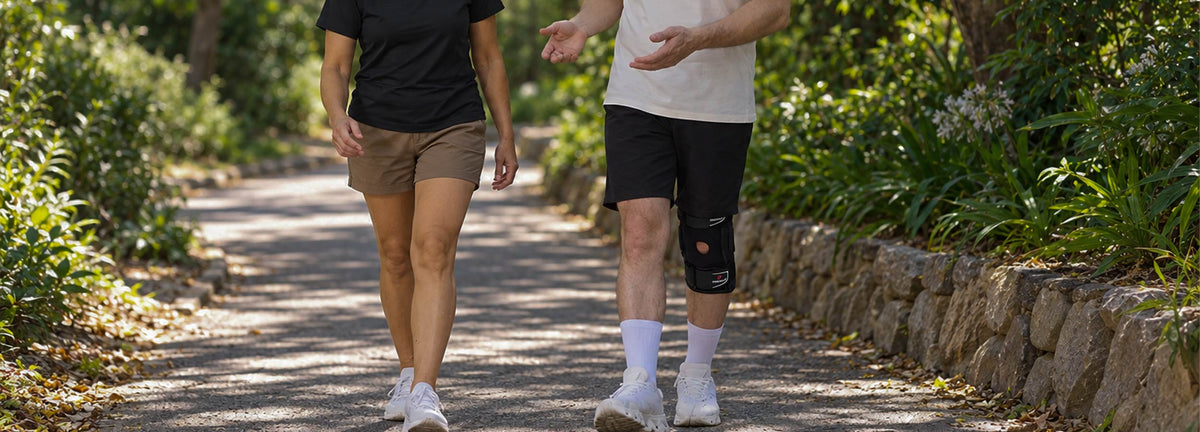
Knee Brace for Walking: When Extra Support Makes Sense
Walking is one of the most ordinary things we do, which is exactly why knee discomfort during walking can feel so disruptive. It affects errands, commuting, dog walks, travel days, long shifts, neighborhood walks, stairs, and the simple ability to move through the day without thinking about every step.
A knee brace for walking should not feel like heavy equipment. It should support your movement without making you change the way you walk. For many people, the right knee support is less about maximum stiffness and more about a secure fit, comfortable compression, breathable materials, and the right level of structure for the route ahead.
This guide explains when extra knee support may make sense for walking, how to choose between different support levels, and what to look for before wearing a brace for daily movement.
If you are unsure where to start, the NEENCA Knee Brace Finder can help you compare support directions based on your activity level, fit needs, and how you plan to use your brace.
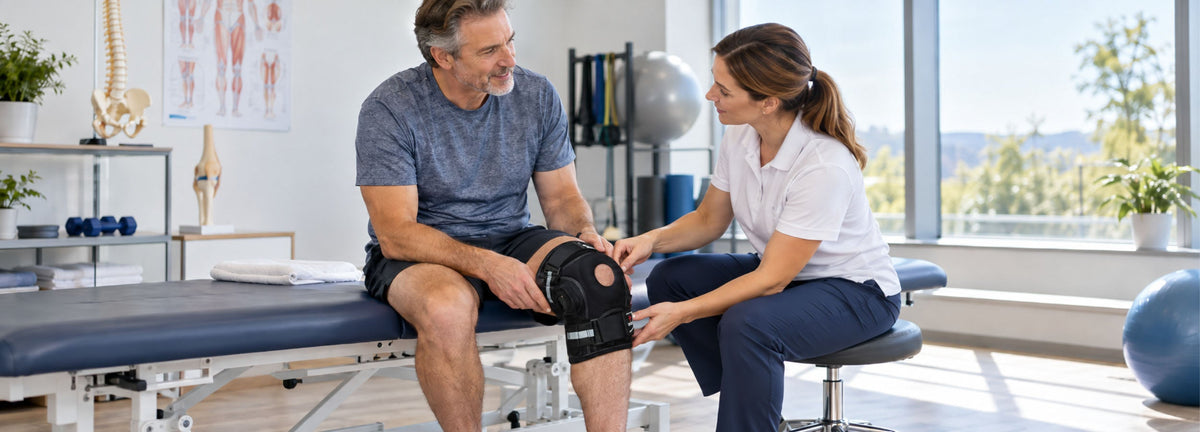
This article is for general educational purposes only and is not a substitute for professional medical advice, diagnosis, or treatment. If you have sharp pain, swelling, instability, locking, numbness, a recent injury, post-surgery restrictions, or difficulty bearing weight, speak with a qualified healthcare professional before using a brace to continue walking.
When Extra Knee Support Makes Sense for Walking
Not every walk requires a brace. Some people simply need better shoes, a slower pace, more rest, or a shorter route. But extra knee support may make sense when your walking routine places repeated demand on the knee and you want a more secure, supported feel.
Common walking situations where people consider knee support include:
- Long neighborhood walks or daily fitness walks
- Errands that involve standing, walking, and carrying bags
- Travel days with airports, stations, museums, or sightseeing
- Walking on hard floors during work or daily routines
- Routes with stairs, ramps, slopes, or uneven sidewalks
- Dog walking, outdoor chores, and weekend activity
- Returning to a walking routine after time away, with professional guidance when needed
For people who spend much of the day on their feet, walking often overlaps with standing. In that case, the broader guide Best Knee Support for Standing All Day may also help you think through footwear, hard floors, long shifts, and support level.
What a Knee Brace Can and Cannot Do
A knee brace or knee sleeve can provide compression, a more secure fit, and a supported feeling around the knee during walking. Some people also like the added sense of awareness around the kneecap and joint area.
But a brace is not a cure, and it should not be used to ignore symptoms. Walking comfort depends on many things: shoes, gait, strength, balance, route, pace, body weight, fatigue, surfaces, stairs, and whether there is an underlying knee issue that needs professional attention.
A practical way to think about knee support for walking is:
- It can help the knee feel more supported during daily movement.
- It can provide a snug compression feel around the joint.
- It can help some users feel more confident during longer walks.
- It should not force your knee into an awkward movement pattern.
- It should not be used to push through sharp, worsening, or unexplained symptoms.
The Evidence Boundary: What Research Supports and What It Does Not
There is useful research on soft knee braces, knee sleeves, unloader braces, and knee orthoses, especially in people with knee osteoarthritis or specific knee support needs. Some studies examine walking, confidence, instability, gait, balance, and functional outcomes.
There is also newer gait research on knee sleeves during walking in older adults, which can help explain why some users describe a more secure or supported walking feel. Still, that type of evidence should be interpreted carefully because study populations, brace designs, and walking conditions vary.
At the same time, the research is not the same as saying every consumer should wear a knee brace for every walk. A daily walking article should be careful: research can support thoughtful brace use in selected contexts, but the right choice still depends on fit, comfort, support level, personal tolerance, and professional guidance when symptoms are significant.
That is why this guide avoids one-size-fits-all claims. It focuses on matching the support level to the walking situation.
Supportive Compression vs Adjustable Hinged Support for Walking
Most walking support decisions come down to how much structure you want without making your walk feel restricted. For some people, a pull-on compression brace feels right. Others want more adjustability than a sleeve-style product can offer.
| Support Type | Best For | Why It May Work for Walking | What to Watch |
|---|---|---|---|
| Supportive Compression Brace | Longer walks, active days, stairs, harder surfaces | Can combine compression, patella-area support, flexible side stabilizers, and anti-slip fit | Must still allow natural stride and comfortable knee bending |
| Adjustable Hinged Support | Users who want firmer side structure and adjustable wrap tension | Removable side hinges and front-crossing straps can create a more secure, customizable feel than a basic pull-on sleeve | May feel bulkier than an ACE compression model; not ideal if you want very light, minimal support |
| Highly Structured Side-Specific Support | Users who want more controlled support direction during walking and daily movement | More specialized frame-based support and adjustability than sleeve-style options | Professional fitting guidance is recommended; not the default choice for casual walking |
For many people, the best walking brace is not the stiffest brace. It is the one they can actually wear comfortably through the walk while still matching the level of support they want.
Walking Scenarios and the Support That Makes Sense
For Short Daily Walks
If your routine is mostly short walks, errands, or light movement around the neighborhood, a low-profile supportive compression option may be enough. The priorities are comfort, breathability, and a fit that does not slide down after a few minutes.
For Long Walks and Travel Days
Travel can turn walking into an all-day event: airports, hotel corridors, sightseeing, stairs, sidewalks, and standing in lines. In this situation, the brace should be comfortable for extended wear and should not trap too much heat.
Choose a support level that feels secure without making you constantly adjust it under clothing.
For Walking on Hard Floors
Hard floors can make long walking and standing days feel more demanding. Knee support may help provide a more secure feel, but shoes and lower-body fatigue matter too. If you work on hard surfaces, think beyond the brace: footwear, breaks, floor mats, workload, and recovery all affect comfort.
For Stairs, Ramps, and Slopes
Stairs and slopes ask the knee to control bending and body weight differently from flat walking. A supportive compression brace may feel more secure than a lighter sleeve, especially if the route includes repeated up-and-down movement.
If stairs are consistently difficult, painful, or unstable, do not rely on a brace alone. Get professional guidance.
For Uneven Sidewalks, Parks, and Light Trails
Uneven ground can make each step less predictable. A brace with a secure fit, anti-slip construction, and flexible side stabilizers may help the knee feel more supported while still allowing natural movement.
For Carrying Groceries, Bags, or Tools
Carrying weight changes balance and step control. If walking support feels fine when you are empty-handed but shifts or pinches when carrying a bag, the brace may not be secure enough for your real routine.
Features That Matter in a Walking Knee Brace
1. A Secure Fit Around the Kneecap
The brace should sit naturally around the kneecap area. If the patella support sits too high or too low, the brace may feel awkward and look incorrectly positioned. A well-fitted brace should stay centered as you walk.
2. Comfortable Compression
Compression should feel snug, not painful. For walking, overly tight support can become irritating because you may wear it longer than you would during a short workout.
Remove or adjust the brace if you notice numbness, tingling, coldness, discoloration, or deep pressure marks.
3. Anti-Slip Design
A walking brace has to deal with repeated steps, clothing movement, body heat, and sweat. If it slides down, you will probably stop wearing it.
Look for a design that stays in place during real movement, not only while standing still.
4. Breathable Materials
Walking support needs to be wearable. Breathable knit materials and soft edges are especially important for travel, warmer weather, workdays, and longer walking routines.
5. The Right Kind of Side Support
Some users want more than simple compression but do not want a rigid immobilizer. Flexible side stabilizers can add a more structured support feel while still allowing normal walking motion. Adjustable hinged support goes a step further by adding firmer side structure and strap-based tension control, which may be useful when a basic pull-on sleeve does not feel secure enough.
6. Clothing Compatibility
Many people wear knee support under pants, scrubs, workwear, or travel clothing. The brace should not bunch, rub, or make the knee area look overly bulky.
Which NEENCA Knee Support Model Is Right for Walking?
For this walking guide, the key question is not “Which brace is strongest?” The better question is: Do you want a secure compression feel, adjustable hinged support, or a more specialized side-specific support design?
| Model | Support Feel | Best For Walking |
|---|---|---|
| ACE-51 | Thicker, more secure compression with a more comfortable material feel | Users who want a stronger wrap feel while still prioritizing comfort and material quality for longer walks, stairs, and active days |
| ACE-53 | Thicker, firmer compression with better value | Users who want a similar thicker compression feel to ACE-51 at a slightly lower price for regular walking routines |
| HX042/HX035 | Firmer, more adjustable support with removable side hinges and front-crossing X-straps | Users who want more structure than a flexible-stabilizer sleeve, adjustable strap tension, and an open-patella cushioned design for walking, standing work, hiking, gym training, or recreational sports |
| OA 052 | Highly structured, side-specific support with more specialized adjustment | Users who want more controlled support direction during walking and daily movement, with professional fitting guidance recommended |
Choose NEENCA ACE-51 Professional Knee Brace if you want thicker, more secure compression with a more comfortable material feel for longer walks, stairs, and active daily movement.
Choose NEENCA ACE-53 Professional Knee Support if you want a similar thicker, firmer compression feel to ACE-51 at a slightly lower price.
Choose NEENCA HX042/HX035 Hinged Knee Support if you want a firmer, more adjustable feel than a basic compression sleeve. Its removable side hinges add structure along both sides of the knee, while the front-crossing X-straps let you fine-tune the wrap around the upper and lower leg. The cushioned open-patella design adds a softer feel around the kneecap without restricting normal bending during everyday movement.
For users who want highly structured, side-specific support during walking and daily movement, the NEENCA OA Unloader Knee Brace 052 is a more specialized option to compare. Because this style affects how support feels around the knee, professional fitting guidance is recommended.
Fit: The Detail That Decides Whether You Keep Wearing It
Many people think the problem is the brace model when the real issue is fit. A good walking brace should feel supportive while allowing natural movement. If you choose an adjustable design such as HX042/HX035, strap tension matters too: the brace should feel secure, not painfully tight.
A walking knee brace should:
- Stay centered around the kneecap area
- Feel snug but not restrictive
- Allow comfortable bending and straightening
- Not bunch behind the knee
- Not slide down during repeated steps
- Not cause numbness, tingling, coldness, discoloration, or unusual pressure marks
Before choosing a product, use the NEENCA Find Your Size guide and follow the product-specific measurement instructions. Do not choose a brace only by height, weight, or usual clothing size.
Test the Brace Before a Long Walk
Do not test a new brace for the first time on a long travel day or a difficult route. Try it during easier movement first.
A simple walking test can include:
- A short indoor or neighborhood walk
- A few stairs or a mild slope
- A fit check after the brace warms up
- A second check after you start sweating
- A trial under the pants or clothing you plan to wear
If the brace slips, pinches, twists, or changes your walking pattern, adjust the fit or choose a different support level before using it for a longer route.
Do Not Use a Brace to Ignore Warning Signs
Knee support should make walking feel more supported, not cover up a problem that needs attention.
Stop walking and seek guidance if you notice:
- Sharp knee pain
- Sudden swelling
- A knee that gives way
- Locking or catching
- Numbness or tingling
- Pain after a fall, twist, or direct impact
- Difficulty bearing weight
- Symptoms that worsen as you continue
If walking is part of a return-to-activity plan after an injury or surgery, follow the guidance of your healthcare professional rather than choosing a brace based only on comfort or product appearance.
Walking Comfort Is More Than the Brace
A knee brace can be part of a better walking setup, but it should not be the only thing you think about.
Footwear
Supportive shoes matter. Worn-out shoes, poor fit, or unstable soles can affect how force moves through the feet, ankles, knees, hips, and lower back.
Pace and Distance
Increase walking time and distance gradually. A route that feels easy one day may feel different after poor sleep, long work hours, travel, or added load.
Surface
Flat pavement, grass, gravel, stairs, and slopes all change the way your body manages each step. Choose routes that match your current comfort and conditioning.
Strength and Mobility
General strength, balance, and mobility can all affect walking comfort. A brace may support movement, but your muscles still need to do the work.
Recovery
If your knees feel tired after longer walks, pay attention to rest, hydration, sleep, and how quickly you are increasing activity.
How to Choose the Right Knee Brace for Walking
Start with your most common walking scenario:
| Walking Situation | Support Direction | NEENCA Option to Compare |
|---|---|---|
| Longer walks, stairs, active workdays | Thicker, more secure compression with comfort-focused material feel | ACE-51 |
| Regular walking with value-focused support | Thicker, firmer compression at a slightly lower price | ACE-53 |
| Walking, standing work, hiking, gym training, or recreational activity where a sleeve does not feel structured enough | Adjustable hinged support with removable side hinges and front-crossing X-straps | HX042/HX035 |
| Highly structured, side-specific walking support | Specialized support with professional fitting guidance recommended | OA Unloader Knee Brace 052 |
Final Thoughts
A knee brace for walking should help you feel more supported without making every step feel restricted. The right product should stay in place, sit correctly around the kneecap, breathe well, and match the way you actually walk.
ACE-51 may fit users who want a thicker, more secure compression feel with stronger wrap and material comfort. ACE-53 may be worth comparing if you want a similar firmer compression feel to ACE-51 at a slightly lower price. HX042/HX035 makes sense when you want more structure than a flexible-stabilizer sleeve, removable side hinges, and adjustable front-crossing X-straps. OA 052 is a more specialized direction for highly structured, side-specific walking support.
The best choice is not always the strongest brace. It is the support you can wear comfortably, fit correctly, and use as part of a smarter walking routine.
Frequently Asked Questions
Is a knee brace good for walking?
A knee brace may help some people feel more supported during walking, especially during longer walks, stairs, hard floors, or active days. The right choice depends on fit, support preference, symptoms, and whether you can walk naturally while wearing it.
Should I wear a knee sleeve or a brace for walking?
A lighter supportive compression option may be enough for easy walks and daily errands. A more supportive compression brace may make sense for longer walks, stairs, uneven surfaces, or users who want a stronger wrap feel.
Can I wear a knee brace all day for walking?
Some people wear knee support for longer daily routines, but it should remain comfortable and should not cause numbness, tingling, coldness, discoloration, or unusual pressure marks. If symptoms appear, remove or adjust it.
Should I choose ACE-51, ACE-53, or HX042/HX035 for walking?
Choose ACE-51 if you want thicker, more secure compression with a more comfortable material feel. Choose ACE-53 if you want a similar thicker, firmer compression feel to ACE-51 at a slightly lower price. Choose HX042/HX035 if you want removable side hinges, front-crossing X-straps, and a more adjustable wrap than a basic pull-on sleeve.
When should I avoid walking with knee discomfort?
Avoid continuing if you have sharp pain, swelling, instability, locking, numbness, tingling, difficulty bearing weight, or symptoms after a fall, twist, or direct impact. Get qualified guidance before continuing.
References
- Cudejko T, van der Esch M, van der Leeden M, et al. The Immediate Effect of a Soft Knee Brace on Pain, Activity Limitations, Self-Reported Knee Instability, and Self-Reported Knee Confidence in Patients With Knee Osteoarthritis. Arthritis Research & Therapy. 2017.
https://pmc.ncbi.nlm.nih.gov/articles/PMC5709997/ -
Functions and Effectiveness of Unloader, Patellofemoral, and Knee Sleeve Orthoses: A Review. 2023.
https://pmc.ncbi.nlm.nih.gov/articles/PMC11233114/ -
The Effectiveness of Knee Bracing in Non-Operative Soft Tissue and Degenerative Knee Injuries: A Systematic Review. 2025.
https://pmc.ncbi.nlm.nih.gov/articles/PMC12684342/ -
Provision of Knee Bracing for Knee Osteoarthritis (PROP OA): Multicentre, Parallel Group, Superiority, Statistician Blinded, Randomised Controlled Trial. BMJ. 2026.
https://www.bmj.com/content/392/bmj-2025-086005 - Kolasinski SL, Neogi T, Hochberg MC, et al. 2019 American College of Rheumatology/Arthritis Foundation Guideline for the Management of Osteoarthritis of the Hand, Hip, and Knee. Arthritis Care & Research. 2020.
https://pmc.ncbi.nlm.nih.gov/articles/PMC11488261/ - Inai T, Kudo S, Tsuchida W, Fujimoto M. Knee Sleeves Improve Gait Symmetry During Fast Walking in Older Adults. Frontiers in Bioengineering and Biotechnology. 2024.
https://pmc.ncbi.nlm.nih.gov/articles/PMC11288883/



Commenta
Questo sito è protetto da hCaptcha e applica le Norme sulla privacy e i Termini di servizio di hCaptcha.